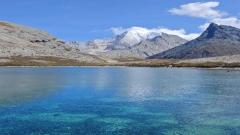
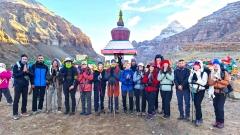
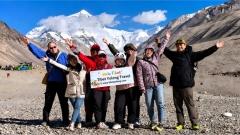
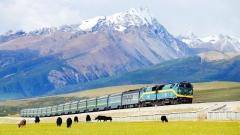
Nestled deep within the mountains of Nyingchi Prefecture in Tibet, Lulang Forest stands as one of the most breathtaking natural landscapes in China. Often referred to as the “Switzerland of the East,” this pristine alpine environment offers travelers a stark contrast to the arid, high-altitude plateaus typically associated with the Tibetan region. The dense woods, rolling meadows, and snow-capped peaks create a mesmerizing panorama that draws nature lovers and photographers from around the globe. Whether you are seeking a peaceful retreat or an adventurous trekking experience, this destination delivers an unforgettable journey into the heart of the Himalayas.
Before diving into the details, here are the key highlights of visiting Lulang Forest:
- Location: Situated in Bayi District, Nyingchi, Tibet, along the Sichuan-Tibet Highway.
- Altitude: Approximately 3,700 meters above sea level, making it relatively accessible compared to other Tibetan regions.
- Best Time to Visit: Spring (March to May) and Autumn (September to November) offer the most stunning scenery.
- Must-Try Food: The famous local stone pot chicken stew is a culinary highlight.
- Activities: Hiking, photography, horseback riding, and immersing in local Tibetan culture.
Discovering the Natural Beauty of Lulang Forest
The ecological diversity found within Lulang Forest is truly remarkable. Unlike much of the Tibetan Plateau, which is characterized by sparse vegetation and harsh conditions, this area benefits from a unique microclimate. Moisture-laden winds from the Indian Ocean travel up the Yarlung Tsangpo Grand Canyon, bringing abundant rainfall and mild temperatures to the Nyingchi region. This climatic anomaly allows lush vegetation to thrive at elevations where forests would normally not exist.
As you descend into the valley, you will notice the landscape transforming dramatically. The trees here are predominantly Himalayan spruce and pine, growing tall and dense, creating a canopy that filters the sunlight into soft, golden beams. Beneath the towering trees, the forest floor is carpeted with thick moss, wildflowers, and various shrubs, depending on the season. The air is incredibly fresh, rich with the scent of pine needles and damp earth, offering a rejuvenating experience for anyone accustomed to urban environments.
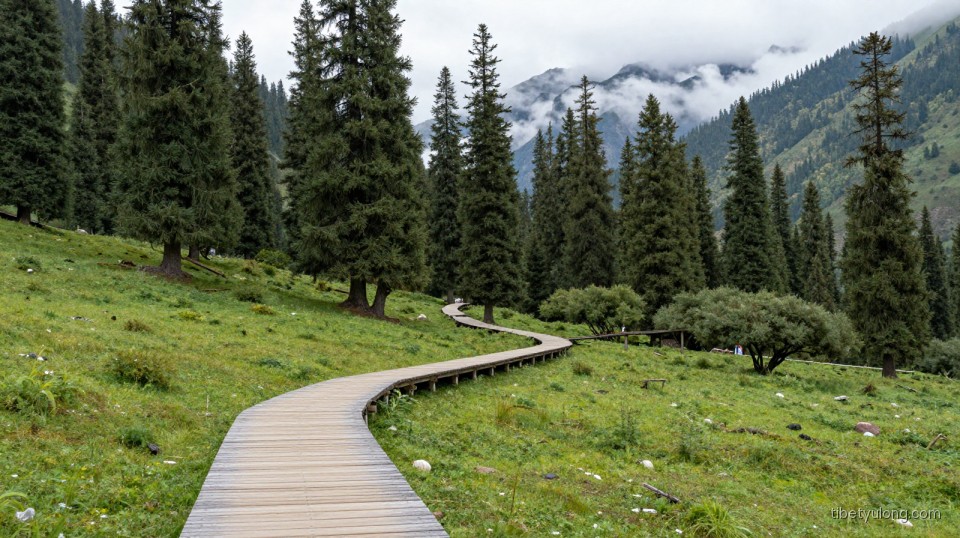
The meadows surrounding the woodland areas are equally spectacular. During the warmer months, these open spaces burst into color with alpine flowers, including rhododendrons, primroses, and gentians. Local herders often bring their yaks and horses to graze in these pastures, adding a pastoral charm to the already picturesque setting. The harmonious coexistence of the local communities and the natural environment is evident everywhere you look, making Lulang Forest not just a scenic spot, but a living, breathing ecosystem.
How to Plan Your Journey to Lulang Forest
Reaching this remote paradise requires some planning, but the journey itself is part of the adventure. Most travelers begin their trip in Nyingchi City (Bayi Town), which has an airport connecting it to major Chinese cities like Chengdu, Chongqing, and Lhasa. From Nyingchi, Lulang Forest is located about 70 kilometers to the east, situated directly along the famous G318 National Highway, also known as the Sichuan-Tibet Highway.
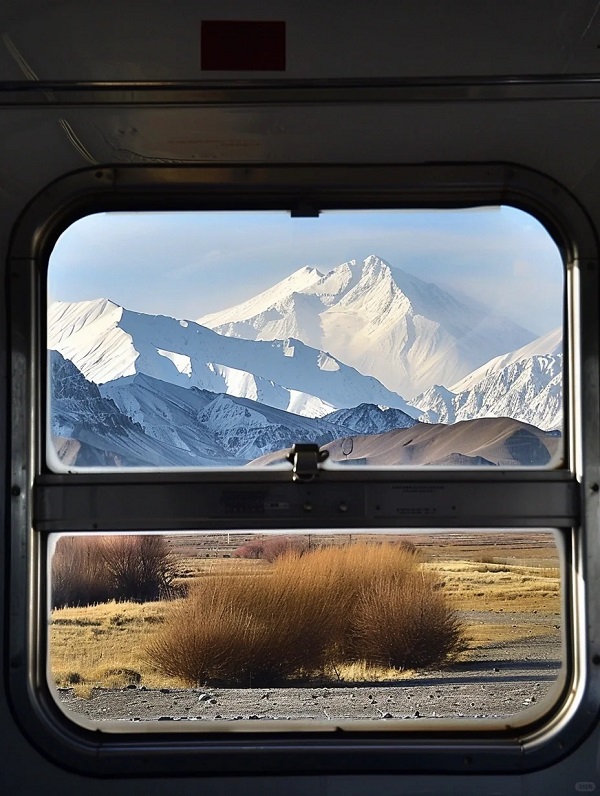
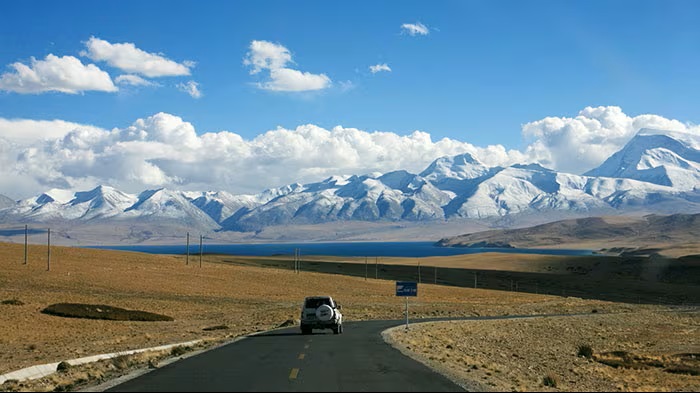
The drive from Nyingchi to Lulang takes approximately two hours, winding through mountain passes and alongside rushing rivers. One of the most notable points along this route is the Sera Mountain Pass, which sits at an elevation of over 4,700 meters. From the viewing platforms at the pass, visitors can often catch a glimpse of Namcha Barwa, the majestic peak standing at 7,782 meters, rising above the clouds. The descent from the pass into the Lulang valley is visually striking, as the barren, rocky terrain quickly gives way to the vibrant greens of the forest below.
For those who prefer organized travel, working with experienced local operators like Tibet Yulong Travel can significantly enhance the experience. Navigating the logistics of transportation, securing necessary travel permits for foreign visitors, and finding reliable accommodation in remote areas can be challenging. Professional services ensure that your itinerary is smooth, safe, and tailored to your interests, allowing you to focus entirely on enjoying the spectacular surroundings rather than worrying about the details of the road.
Exploring the Hiking Trails and Outdoor Activities
The true essence of Lulang Forest is best experienced on foot. There are several well-maintained wooden boardwalks and dirt trails that wind through the trees and across the meadows, designed to protect the fragile ecosystem while providing access for visitors. These trails vary in length and difficulty, catering to both casual walkers and serious trekkers.
A popular short hike takes you through the heart of the woodland, where you can listen to the sounds of birds, rustling leaves, and distant streams. The tranquility here is profound. If you venture further, longer trekking routes lead toward the surrounding glacial peaks and remote Tibetan villages. For the more adventurous, multi-day treks can be arranged, taking you deeper into the uncharted territories of the Nyainqentanglha mountain range.
Horseback riding is another traditional way to explore the area. Local villagers offer guided horse rides through the meadows and along the forest edges. Riding a sturdy Tibetan horse through the misty morning landscape provides a unique perspective and connects you to the nomadic heritage of the region. Photography enthusiasts will find endless inspiration here, particularly during the early morning and late afternoon when the light creates dramatic shadows and illuminates the mist hanging over the trees.
The Culinary Delight: Lulang Stone Pot Chicken
No visit to Lulang Forest is complete without tasting its most famous culinary export: the Lulang Stone Pot Chicken. This dish has gained legendary status among travelers traversing the Sichuan-Tibet Highway and is considered a must-try delicacy in the Nyingchi region.
The preparation of this dish is deeply rooted in local tradition. The cooking vessel itself is a handcrafted stone pot, carved from a specific type of soapstone found only in the nearby Medog County. Carving these pots is a painstaking process done by skilled local artisans, and the stone is believed to contain trace minerals that enhance the flavor and nutritional value of the food cooked within it.
The recipe uses locally free-range Tibetan chickens, which have a firmer texture and richer flavor than commercially farmed poultry. The chicken is slow-simmered in the stone pot for several hours alongside a carefully selected blend of medicinal herbs and fungi gathered from the surrounding mountains, such as ginseng, angelica, and various wild mushrooms. The resulting broth is milky white, incredibly aromatic, and deeply nourishing. Sipping the hot soup after a day of hiking in the cool mountain air is a restorative experience that perfectly encapsulates the local culture and the bounty of the forest.
Accommodation and Experiencing Local Tibetan Culture
Over recent years, the infrastructure around Lulang Forest has improved significantly, transforming it into a comfortable destination without sacrificing its rustic charm. The development of the Lulang International Tourism Town has brought a variety of lodging options to the area. Travelers can choose from luxury boutique hotels that offer panoramic views of the mountains, cozy guesthouses run by local families, or specialized eco-lodges designed to blend seamlessly into the natural environment.
Staying overnight is highly recommended, as it allows you to experience the forest during its quietest and most magical hours. In the early morning, thick mists often roll through the valleys, blanketing the trees and meadows in a mysterious fog that slowly burns off as the sun rises over the peaks. The night skies, free from light pollution, offer spectacular stargazing opportunities.
Beyond the natural scenery, engaging with the local Tibetan and Monba communities adds a rich cultural layer to the trip. Many homestays and local restaurants provide opportunities to interact with residents, learn about their daily lives, and understand their spiritual connection to the land. You might hear traditional folk songs, see locals weaving intricate textiles, or participate in seasonal festivals that celebrate the changing of the weather and the harvest. This cultural immersion ensures that your time spent here is not merely sightseeing, but a meaningful exchange.
Essential Travel Tips for Visiting Lulang Forest
Preparing adequately for a trip to this high-altitude region is crucial for a safe and enjoyable experience. Although the elevation of around 3,700 meters is lower than Lhasa, altitude sickness remains a valid concern. It is advisable to spend a few days acclimatizing in Nyingchi or Lhasa before venturing into the deeper mountainous areas. Staying hydrated, avoiding strenuous exercise upon arrival, and consulting with a doctor regarding altitude medication are standard precautions.
Weather in the mountains is notoriously unpredictable. Even during the summer months, temperatures can drop significantly at night, and sudden rain showers are common. Packing in layers is the best strategy. Bring a waterproof outer shell, warm fleece or down jackets, and comfortable, sturdy hiking boots with good grip for navigating the sometimes muddy or uneven trails.
Finally, environmental conservation is paramount. Lulang Forest is a protected ecological zone, and visitors are expected to follow strict leave-no-trace principles. Do not litter, stay on designated paths to avoid damaging the fragile alpine vegetation, and respect the wildlife. By traveling responsibly, we help ensure that this magnificent landscape remains pristine for generations of explorers to come. Whether you are drawn by the towering pines, the savory stone pot chicken, or the sheer majesty of the Himalayas, Lulang Forest promises an authentic and awe-inspiring Tibetan adventure.