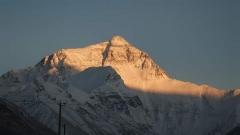
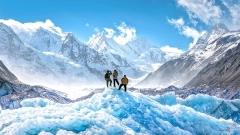
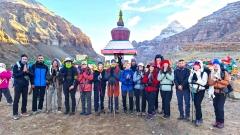
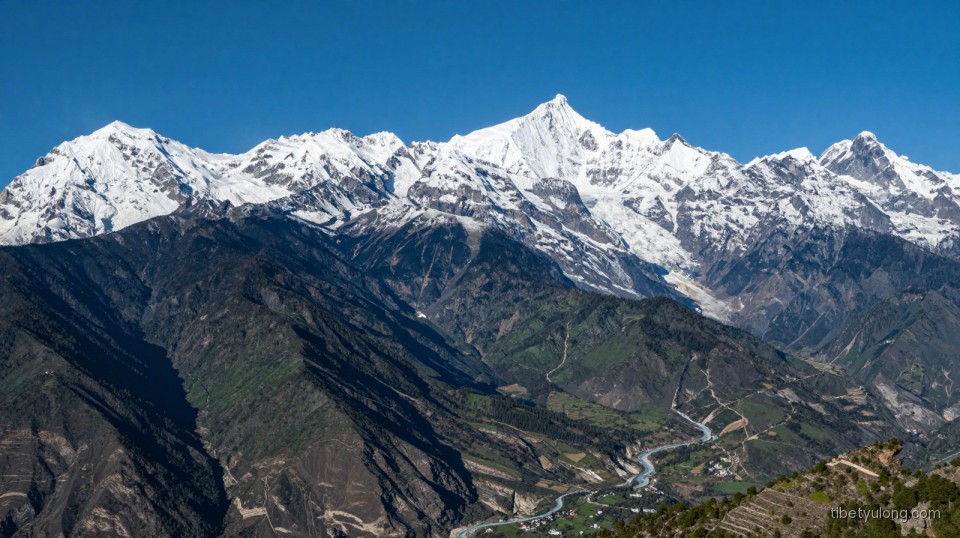
Rising majestically at the eastern end of the Himalayas, Namcha Barwa Mountain stands as one of the most breathtaking and formidable peaks on the planet. Reaching an elevation of 7,782 meters (25,531 feet), it dominates the landscape where the Yarlung Tsangpo River makes its dramatic turn to form the deepest canyon in the world. For decades, this towering giant remained shrouded in clouds and local legend, earning a reputation as one of the hardest mountains to summit. Today, it draws trekkers, photographers, and nature enthusiasts from across the globe who wish to witness its sheer granite faces and surrounding biodiversity. Whether you are planning a rigorous trek or simply hoping to catch a glimpse of its snow-capped summit through the mist, understanding the geography, culture, and logistics of visiting this region is essential.
Key Takeaways:
- Namcha Barwa Mountain reaches 7,782 meters in Tibet.
- It borders the world’s deepest canyon, the Yarlung Tsangpo Grand Canyon.
- Autumn offers the clearest views of the peak.
- The first successful summit occurred in 1992 by a Sino-Japanese team.
- Local Tibetan culture holds the mountain deeply sacred.
The Geography and Majesty of Namcha Barwa Mountain
Located in the Nyingchi Prefecture of the Tibet Autonomous Region, Namcha Barwa Mountain marks the eastern syntaxis of the Himalayan range. This geological term refers to the sharp bend where the Himalayas meet the Hengduan Mountains. The tectonic forces that created this bend also carved out the Yarlung Tsangpo Grand Canyon, which wraps around the base of the mountain in a massive horseshoe shape. Dropping over 5,000 meters from the summit to the riverbed below, this canyon is significantly deeper than the Grand Canyon in the United States.
The topography creates extreme microclimates. While the summit is locked in perpetual ice and battered by high-altitude jet streams, the lower elevations near the river support lush subtropical forests. This dramatic vertical relief means that within a single day of trekking near Namcha Barwa Mountain, you can pass through dense rhododendron thickets, alpine meadows filled with wildflowers, and barren glacial moraines. The geographical isolation of the peak has also preserved unique ecosystems, making the surrounding area a haven for rare flora and fauna, including the elusive snow leopard and various species of pheasants.
Historical Climbing Attempts on Namcha Barwa Mountain
Unlike many other Himalayan giants that saw early climbing attempts in the 1950s, Namcha Barwa Mountain remained unclimbed until much later. Its remote location, combined with notoriously unpredictable weather and steep, avalanche-prone faces, deterred mountaineers for decades. The mountain is frequently enveloped in thick clouds, hiding its summit from view for days or even weeks at a time. Local lore suggests that the peak only reveals itself to those with pure intentions, adding a mystical barrier to the physical challenges.
The first serious reconnaissance expeditions began in the 1980s, but it was not until 1992 that a joint Sino-Japanese expedition finally reached the summit. The climb was incredibly perilous, requiring technical ice climbing and navigating treacherous serac fields. Since that historic ascent, very few teams have successfully summited. The mountain’s difficulty and the strict regulations governing climbing permits in the Tibet Autonomous Region mean that Namcha Barwa Mountain remains far less climbed than peaks like Everest or Cho Oyu. For modern mountaineers, it represents one of the ultimate tests of skill and endurance in the high Himalayas.
Cultural Significance and Local Legends
To the indigenous Monpa and Tibetan people living in the shadow of the peak, Namcha Barwa Mountain is not just a geological feature; it is a living deity. In Tibetan Buddhism, the mountain is considered the dwelling place of powerful spirits. The name “Namcha Barwa” roughly translates to “the burning spear piercing the sky” or “peak of heavenly fire,” reflecting the awe it inspires among locals.
One of the most enduring legends involves a tragic love story. According to local myth, Namcha Barwa Mountain was once a brave warrior who fell in love with a beautiful goddess residing across the river. When their union was forbidden, they were turned into mountains, forever separated by the rushing waters of the Yarlung Tsangpo. The smaller peak opposite Namcha Barwa, known as Gyala Peri (7,294 meters), is said to be his beloved. Trekkers moving through the villages at the base of the mountain will often encounter prayer flags fluttering in the wind, mani stones carved with sutras, and small shrines dedicated to the mountain spirits. Respecting these cultural sites is paramount for any visitor exploring the region.
Best Viewpoints and Trekking Routes
Seeing Namcha Barwa Mountain clearly is often described as a matter of luck due to the persistent cloud cover. However, certain vantage points offer better odds. The most popular viewing spot is from the Seji La Pass along the highway connecting Bayi Town to Lulang. From this elevation, travelers can look back toward the peak, especially during the crisp, clear mornings of autumn. Another excellent viewpoint is the Suosong Village, located directly at the base of the mountain inside the grand canyon. Staying in a local guesthouse here allows visitors to wake up before dawn, increasing the chances of witnessing the sunrise illuminate the golden summit before the clouds roll in.
For active travelers, trekking around the lower elevations provides an immersive experience. The route from Pai Village down into the Yarlung Tsangpo Grand Canyon towards Zhizha Village takes hikers through ancient forests and past roaring waterfalls. While trekking directly to the base camp of Namcha Barwa Mountain requires specialized permits and experienced guides, the surrounding trails offer spectacular panoramic views without the need for technical mountaineering skills. The trails are rugged, and altitude acclimatization is necessary, as many starting points sit above 3,000 meters.
Optimal Seasons for Visiting
Timing your visit is critical when planning a trip to see Namcha Barwa Mountain. The summer months, coinciding with the Indian monsoon season, bring heavy rainfall to the lower canyon regions and thick cloud cover to the upper elevations. During July and August, the chances of seeing the summit are extremely low, and trail conditions can become muddy and hazardous due to landslides.
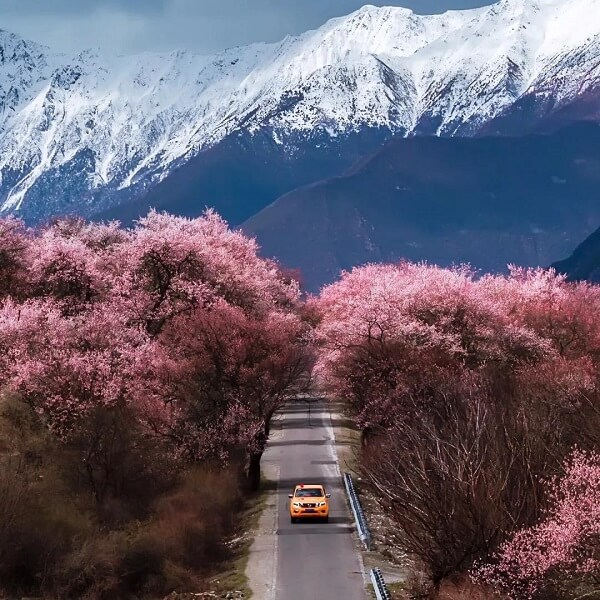
The absolute best time to visit is during the autumn months, specifically October and November. During this window, the monsoon rains have ceased, the skies turn a deep, clear blue, and the air becomes dry and crisp. The surrounding forests transform into vibrant shades of gold and red, creating a stunning contrast against the white glaciers of the peak. Spring, particularly April and May, is the second-best option. The weather is generally stable, and the alpine rhododendrons are in full bloom, though afternoon clouds can still obscure the summit. Winter offers crystal-clear skies but brings extreme cold and potential road closures due to heavy snowfall at higher passes.
Practical Travel Tips and Preparation
Traveling to the remote regions of Tibet requires careful preparation. First and foremost, all foreign travelers must obtain a Tibet Travel Permit, which can only be arranged through a registered travel agency. Independent travel is not permitted in the Tibet Autonomous Region, meaning you must be part of an organized tour with a licensed guide.
Altitude sickness is a genuine concern when visiting areas near Namcha Barwa Mountain. Nyingchi, the usual gateway city, sits at a relatively manageable 2,900 meters, but excursions into the surrounding mountains quickly push you above 4,000 meters. Spending a few days in Nyingchi or Lhasa to acclimatize before heading toward the peak is highly recommended. Stay hydrated, avoid alcohol upon arrival, and consult your doctor about carrying altitude medication.
Packing should focus on layering. Temperatures can swing dramatically from warm afternoons in the sun to freezing nights, even in autumn. Bring high-quality trekking boots, waterproof outer layers, sunscreen, and a good pair of binoculars if you hope to spot wildlife or study the distant glacial features of the mountain. Reliable transportation is also vital, as roads leading into the canyon can be rough and winding.
Planning Your Journey with Tibet Yulong Travel
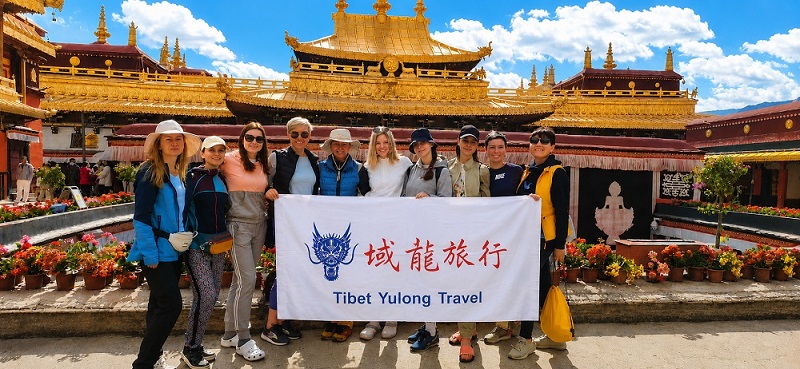
Navigating the permit requirements, logistical challenges, and language barriers of remote Tibet can be daunting. Partnering with a knowledgeable local operator ensures a safe and enriching experience. Tibet Yulong Travel specializes in crafting customized itineraries that take visitors deep into the Nyingchi region, offering expert guidance for those wishing to explore the trails and viewpoints surrounding Namcha Barwa Mountain. Their experienced local guides understand the shifting weather patterns, know the optimal times to visit specific vantage points, and maintain strong relationships with local communities, ensuring respectful and authentic cultural interactions. By handling the complex logistics of transportation, permits, and accommodation, Tibet Yulong Travel allows you to focus entirely on the awe-inspiring landscapes and spiritual atmosphere of this extraordinary corner of the Himalayas.