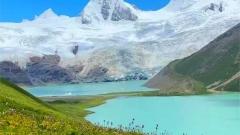
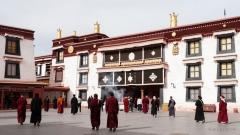
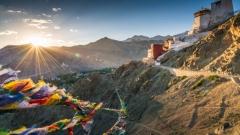
Planning to see Everest from the Tibetan side—or climb it—means preparing for more than a long journey. Tibet has entry and travel controls that affect foreign visitors, and the paperwork for a base-camp sightseeing tour is not the same as the authorization needed for a mountaineering expedition. Knowing the difference early helps you choose the right route, set realistic timing, and avoid confusing a visitor permit with a climbing permit.
Key Takeaways
- For an Everest Base Camp tour: Foreign visitors need an organized tour and the required Tibet travel documents arranged before entering the region.
- For a Mount Everest climb: A climbing expedition involves additional permits and approvals beyond those needed for a sightseeing visit to Everest Base Camp.
- For both trips: Requirements depend on nationality, route, travel dates, and the activities planned; confirm them with your Tibet operator before booking flights or trains.
- Allow time for paperwork: Submit accurate passport and visa details early, and keep the itinerary consistent with the documents issued.
- At the border or checkpoints: Carry your passport and required permits, and follow your guide’s instructions throughout the trip.
Tibet Travel Permits: What Visitors Need To Know
Tibet is an autonomous region of China, and foreign travelers generally cannot visit independently. A foreign visitor typically needs to book through a licensed Tibet travel agency, travel with an approved guide, and follow an arranged itinerary. The agency coordinates the required documents and transportation for the trip.
The document most travelers hear about is the Tibet Travel Permit, also commonly called the Tibet Tourism Bureau Permit. It is required for foreign visitors entering Tibet, including those traveling to Lhasa and onward to the Everest region. It is not a visa and does not replace a Chinese visa or any other entry document that applies to your circumstances.
Travel rules can change, and approval is not automatic. The right application process depends on your citizenship, current location, planned route, and purpose of travel. Ask your operator to confirm the requirements that apply to your specific itinerary with the relevant authorities. Do not rely on a permit checklist copied from an older trip report.
A Tibet Travel Permit is generally arranged through the tour operator rather than obtained by a traveler directly. You will usually be asked to provide a clear passport scan and information about your Chinese visa or other applicable entry documents. Additional details may be needed for a particular route or activity. Send only the requested information through the agency’s secure process, and check that names and passport numbers are accurate before submission.
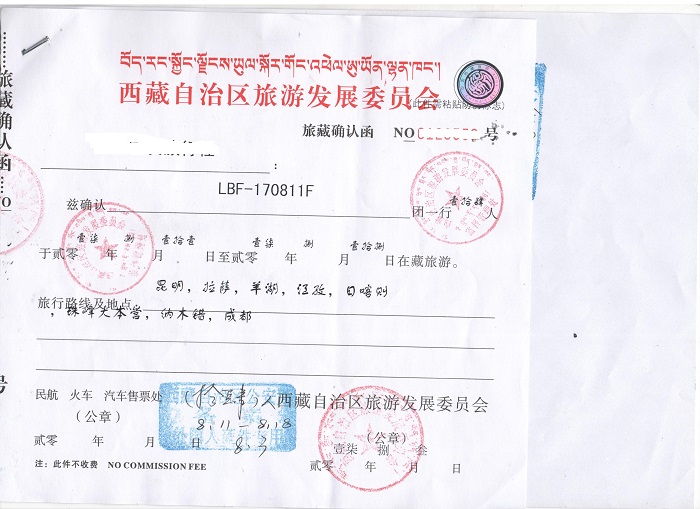
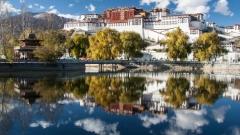
Tibet Travel Permit
Permits For An Everest Base Camp Tour
A visit to the Tibetan side of Everest Base Camp is a high-altitude sightseeing trip, not a mountaineering attempt. Travelers normally reach the region by road as part of an organized itinerary, often from Lhasa via other towns and viewpoints. The exact route, access arrangements, and overnight stops can vary.
In addition to the Tibet Travel Permit, travel to the Everest region may require local or area-specific authorization arranged by the tour operator. Visitors may also encounter identity checks and permit inspections at checkpoints along the route. Your operator should explain which documents are required for your specific itinerary and arrange the applicable paperwork before the trip.
The key practical point is that a permit for general travel in Tibet does not necessarily cover every restricted area or activity. A sightseeing tour to the designated base-camp area must stay within the approved itinerary. It does not authorize visitors to enter climbing routes, restricted mountaineering areas, or other locations that are not part of their tour.
Check that your tour details match the paperwork: the names of travelers, travel dates, route, and destination should be consistent. Keep your passport accessible, and follow your guide’s instructions at checkpoints. Do not assume that a digital copy alone will be accepted everywhere; ask the operator what format to carry and whether original documents are needed.
Permits For Climbing Mount Everest From Tibet
Climbing Mount Everest from the north side is a different undertaking from visiting the base-camp area. It requires a properly organized expedition and official authorization to climb, as well as the relevant Tibet travel arrangements. The permit for a sightseeing visit does not grant permission to climb, and reaching a base-camp location does not make a visitor part of an authorized expedition.
A climbing expedition typically involves a specialist mountaineering operator that handles the application process and coordinates logistics with the relevant authorities. Requirements may include climbing authorization, expedition and team documentation, identity and medical information, and other approvals applicable to the season and route. The exact requirements and issuing bodies can change, so climbers should obtain a current, written checklist from their expedition operator before making plans.
Mountaineers should also distinguish official authorization from operational services. A climbing permit is not the same as a visa, a Tibet Travel Permit, or an arrangement for transport, accommodation, support staff, and access to the mountain. These elements are handled through different processes, even when an expedition provider coordinates them together.
Do not plan to arrive in Tibet on a standard sightseeing tour and arrange a climb locally. Climbing permissions, expedition logistics, equipment transport, and acclimatization schedules require advance coordination. A climbing operator should explain what is included in its service, which approvals it will arrange, what documents you must provide, and what happens if permissions or conditions change.
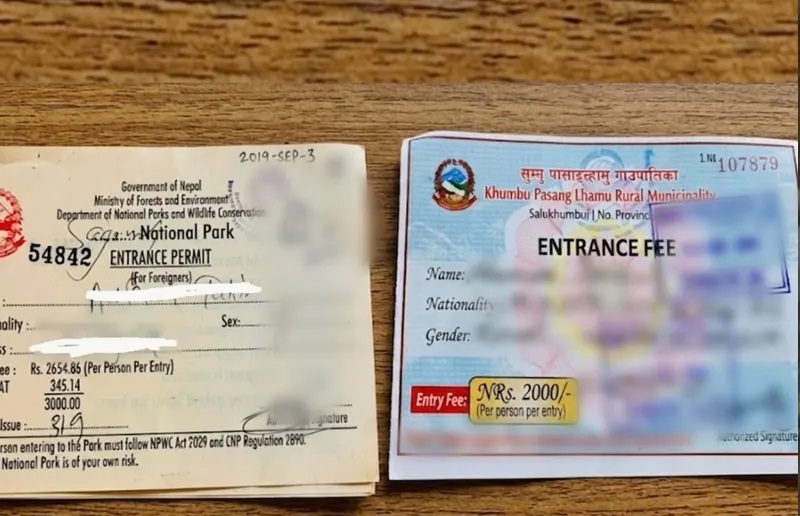
Mount Everest Climbing Permit issued by Nepal Ministry of Tourism
How To Prepare Your Application
Start by deciding whether your goal is to see Everest or attempt a summit. This choice determines the type of operator and paperwork you need. For a base-camp tour, contact a licensed Tibet travel agency with your preferred dates and route. For a climb, contact a specialist operator experienced in expeditions on the Tibetan side.
Provide passport information exactly as shown on the passport. If you have already obtained a Chinese visa, follow the operator’s instructions on whether to submit a copy and what additional details are needed. Travelers whose visa or entry situation is unusual should disclose it before booking, rather than assuming the same process applies to everyone.
Book transport only after discussing the document timeline. For trips involving Tibet, the agency may need to finalize itinerary details before the permit can be processed, and the permit may be checked before boarding transport to the region. The sequence can differ by route and current rules. Ask your operator when to book flights or trains and what proof may be required at the departure point.
Avoid changing your route independently after documents have been issued. A new destination, date, or traveler can require amendments or new approvals. Tell the agency promptly about any change, and wait for confirmation before proceeding. A permit should not be treated as a flexible pass for travel outside the itinerary.
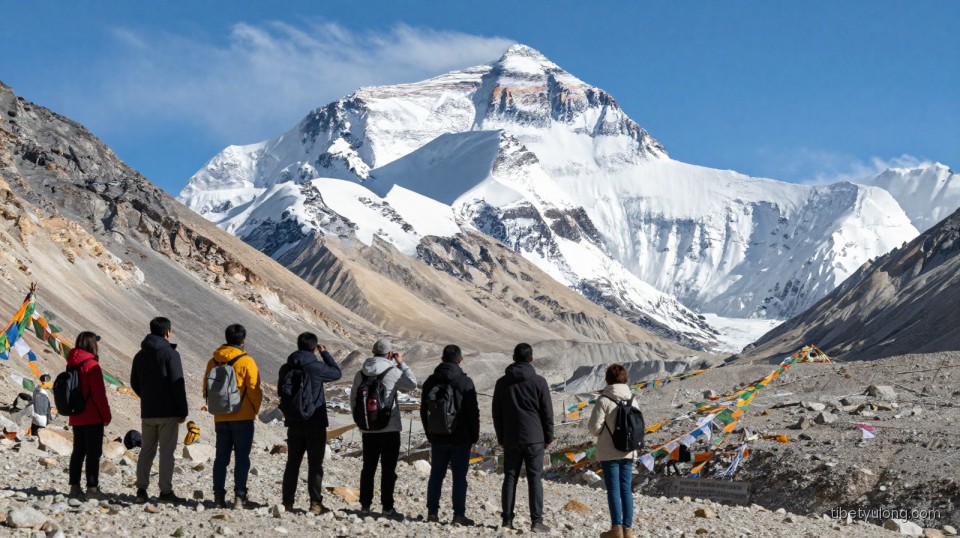
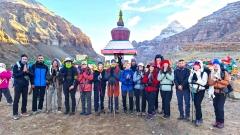
Everest Base Camp
Choosing The Right Operator
A dependable operator should be able to explain the difference between Tibet entry documents, area-specific travel authorization, and climbing permits in plain language. Ask which documents it will arrange, which costs are included, when it needs your information, and what you will receive before departure. For a mountaineering expedition, ask specifically who handles official climbing authorization and what expedition services are covered.
Request a written itinerary and a clear list of exclusions. A sightseeing package and a climbing expedition have very different staffing, equipment, transport, and safety needs. If a company promises that one document covers every activity, or suggests you can travel independently in Tibet despite the applicable rules, seek clarification before paying.
China Dragon Travel can help travelers understand the paperwork and coordinate an organized Tibet itinerary, including trips to the Everest region. Confirm directly which services are available for your dates and whether the company is arranging a sightseeing tour or a mountaineering expedition. For a climb, verify that the provider has the specialist experience and authorization arrangements required for the planned route.
Timing, Checkpoints, And Travel Conditions
Apply well ahead of departure, especially during busy travel periods or when your itinerary includes restricted areas. The processing timeline is not guaranteed and can depend on current administrative procedures. Your operator is best placed to advise when to submit documents and when it is safe to finalize transport bookings.
At checkpoints, officials may inspect travel documents and compare them with the approved itinerary. Keep your passport and the documents your guide tells you to carry in an accessible place. Be patient, answer questions accurately, and do not photograph security facilities or officials unless explicitly permitted.
Paperwork is only one part of preparation. Everest Base Camp is at very high elevation, and Lhasa and other stops on the route are also high-altitude destinations. Build time into your itinerary to acclimatize, follow medical advice, stay hydrated, and tell your guide if you feel unwell. For climbers, a professional acclimatization plan and appropriate medical preparation are essential parts of expedition planning, not substitutes for official permits.
Weather, road conditions, local access rules, and health requirements can affect travel. Keep your schedule flexible where possible, and confirm current arrangements shortly before departure. No permit can guarantee access on a particular day if authorities, weather, or safety conditions require a change.
Common Permit Mistakes To Avoid
The most frequent mistake is treating the Tibet Travel Permit as the only document that matters. It is essential for many foreign visitors entering Tibet, but travel to specific areas and climbing activity may require further authorization. Ask for a route-specific list rather than a generic answer.
Another common error is confusing a base-camp visit with a climbing expedition. Sightseeing permission does not authorize mountaineering, and a climbing permit does not replace the travel documents needed to enter Tibet. Make sure your operator understands your actual purpose and that the itinerary and applications reflect it.
Submitting inconsistent information can also delay arrangements. Check every passport detail, travel date, and destination before sending documents. If a passport is renewed after an application begins, tell the operator immediately; the permit process may need to be updated.
Finally, avoid making independent itinerary changes or assuming that a permit issued for one route can be used on another. Confirm any change with the agency first. Keep copies of relevant documents, but follow your operator’s guidance on which originals to carry and how to present them.
Frequently Asked Questions
Do I need a Tibet Travel Permit to visit Everest Base Camp from the Tibetan side?
Foreign visitors generally need a Tibet Travel Permit to enter Tibet, and travel to the Everest region may require additional area-specific authorization. An organized operator should confirm and arrange the documents required for your route.
Can I visit Tibet independently if I already have a Chinese visa?
A Chinese visa does not by itself remove the travel requirements that apply to foreign visitors in Tibet. Visitors generally need to arrange an organized tour with a licensed operator and follow an approved itinerary. Confirm current rules before booking.
Does an Everest Base Camp tour permit allow me to climb Mount Everest?
No. A sightseeing visit and a mountaineering expedition are separate activities. Climbing requires expedition-specific authorization and arrangements in addition to the travel documents required for Tibet.
How early should I apply for Tibet travel documents?
Begin planning as early as practical and submit documents when your operator advises. Processing times and requirements can vary, so avoid relying on a fixed number of days or booking nonrefundable transport before confirming the timeline.
What documents should I carry during the tour?
Carry your passport and the documents your operator instructs you to bring. Requirements can vary by route and current procedures, so ask whether you need original permits, printed copies, or both, and keep them accessible at checkpoints.