May is widely considered one of the best months to visit the Roof of the World. As spring transitions into early summer, the region experiences milder conditions, making outdoor exploration much more comfortable. Understanding the Tibet weather during this period is essential for planning a successful trip. The days grow longer, the skies are predominantly clear, and the harsh winter cold finally retreats from most accessible tourist areas. Whether you are heading to Lhasa, trekking near Mount Everest, or exploring remote monasteries, knowing what to expect from the climate will help you prepare adequately.
Key Takeaways:
- Daytime temperatures range from 15°C to 20°C in major cities.
- Nighttime temperatures can still drop below freezing at high altitudes.
- Rainfall is minimal, offering excellent visibility for mountain views.
- Sun protection is crucial due to intense UV radiation.
- Layered clothing is the best strategy for daily temperature shifts.
Understanding Tibet Weather in May: Temperature and Climate Overview
When travelers research the Tibet weather, they quickly realize that generalizations do not apply to this vast, elevated landscape. The climate varies drastically depending on your specific location and altitude. In May, the overall atmosphere begins to warm up significantly compared to the preceding winter months, but it remains far from hot.
In Lhasa, the capital city situated at around 3,650 meters above sea level, daytime temperatures in May typically hover between 18°C and 22°C (64°F to 72°F). The sunshine feels incredibly warm, often allowing visitors to walk around in light layers. However, once the sun dips behind the mountains, temperatures plummet rapidly. Nighttime lows in Lhasa usually fall to around 5°C to 8°C (41°F to 46°F). This dramatic diurnal temperature variation is a defining characteristic of the local climate.
If your itinerary takes you higher, the numbers change considerably. Shigatse, located slightly higher than Lhasa, sees similar daytime warmth but noticeably colder nights. Meanwhile, the Everest Base Camp area, sitting at over 5,200 meters, experiences daytime highs barely reaching 5°C to 10°C (41°F to 50°F) in May, with nighttime temperatures routinely dropping well below freezing, often between -5°C and -10°C (23°F to 14°F). Understanding these distinct microclimates is vital for anyone trying to grasp the true nature of the Tibet weather during late spring.
The air remains remarkably dry across the plateau in May. The monsoon season has not yet fully arrived, meaning humidity levels are very low. This dryness makes the cold feel less biting than it would in a damp environment, but it also means dehydration happens faster than most travelers anticipate. Drinking plenty of water throughout the day is just as important as wearing the right jacket.
Sunshine, UV Radiation, and Daylight Hours
One of the most striking aspects of the Tibet weather in May is the sheer intensity of the sunlight. Because the atmosphere is significantly thinner at these altitudes, there is less atmospheric filtering of solar radiation. Lhasa is famously known as the “Sunlight City,” and May lives up to this reputation. You can expect roughly 8 to 9 hours of bright sunshine per day, with total daylight lasting close to 13 to 14 hours as the summer solstice approaches.
While this abundant sunshine makes for spectacular photography and pleasant daytime sightseeing, it introduces a serious hazard: ultraviolet (UV) exposure. The UV index in May frequently reaches extreme levels. Sunburn can occur within minutes of unprotected exposure, even if the ambient air temperature feels cool. Travelers must pack high-SPF sunscreen (SPF 50 or higher), broad-spectrum lip balm, wide-brimmed hats, and high-quality sunglasses that offer full UV protection. Relying solely on cloud cover for protection is a mistake; thin clouds at high altitudes do little to block harmful rays.
The long daylight hours are a massive advantage for tourists. It provides ample time for driving between destinations, hiking, and exploring monasteries without feeling rushed by an early sunset. Many photographers prefer May specifically because the angle of the sun and the clarity of the air produce incredibly sharp, vibrant landscapes.
Rainfall and Precipitation Patterns
May marks the tail end of the dry season and the very beginning of the transition toward the wetter summer months. When analyzing the Tibet weather, precipitation is a critical factor for road conditions and mountain visibility. Fortunately, May is generally quite dry. Average rainfall in Lhasa during this month is relatively low, usually accumulating only about 20 to 30 millimeters spread across a few days.
Most precipitation comes in the form of brief, isolated afternoon showers rather than prolonged, heavy downpours. These passing clouds often add dramatic shadows and light beams to the landscape without ruining an entire day of travel. Because the heavy monsoon rains typically arrive later in June and July, May offers some of the clearest skies of the year.
This lack of heavy rain is particularly important for those hoping to see Mount Everest. The peak is notorious for hiding behind thick cloud banks during the summer monsoon. In May, the probability of catching a clear, unobstructed view of the summit is significantly higher. Trekking routes, such as those around Mount Kailash or the Ganden to Samye trek, are also much safer and more accessible before the summer rains turn trails muddy and cause river levels to swell.
Regional Variations Across the Plateau
To truly understand the Tibet weather, one must look beyond Lhasa. The region encompasses diverse topography, from arid high-altitude deserts to lush, lower-elevation valleys in the east.
Lhasa and Central Tibet: As mentioned, central Tibet enjoys mild, sunny days and chilly nights. It is the most forgiving region for newcomers acclimatizing to the altitude in May. Wind speeds are generally manageable, though occasional breezy afternoons occur.
Mount Everest and High Altitudes: The northern face of Everest and the surrounding base camp areas are subject to fierce winds, even in May. While the jet stream usually shifts northward by late spring, reducing the hurricane-force winds of winter, gusty conditions are still common. The temperature here is strictly alpine, requiring specialized cold-weather gear regardless of how warm it felt in Lhasa two days prior.
Nyingchi and Eastern Tibet: Nyingchi sits at a lower altitude (around 3,000 meters) and benefits from moisture traveling up the Yarlung Tsangpo River valley. By May, the famous peach blossoms have already faded, but the region transforms into a lush, green landscape. Temperatures here are warmer, and rainfall is slightly more frequent than in Lhasa, creating a microclimate that feels almost subtropical compared to the rest of the plateau.
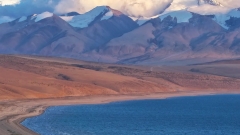
Ngari and Western Tibet: Home to Mount Kailash and Lake Manasarovar, western Tibet is extremely remote and harsh. Even in May, snowstorms are possible at the highest passes. The Tibet weather in Ngari demands respect, and travel here requires careful logistical planning and robust vehicles.
Packing Essentials Based on May Conditions
Dressing appropriately for the Tibet weather in May relies entirely on the layering system. No single garment will keep you comfortable from dawn to dusk. Start with a moisture-wicking base layer to keep sweat away from your skin during midday hikes. Add a warm insulating mid-layer, such as a fleece or lightweight down jacket, for mornings and evenings. Finally, bring a windproof and waterproof outer shell to protect against sudden gusts or brief afternoon showers.
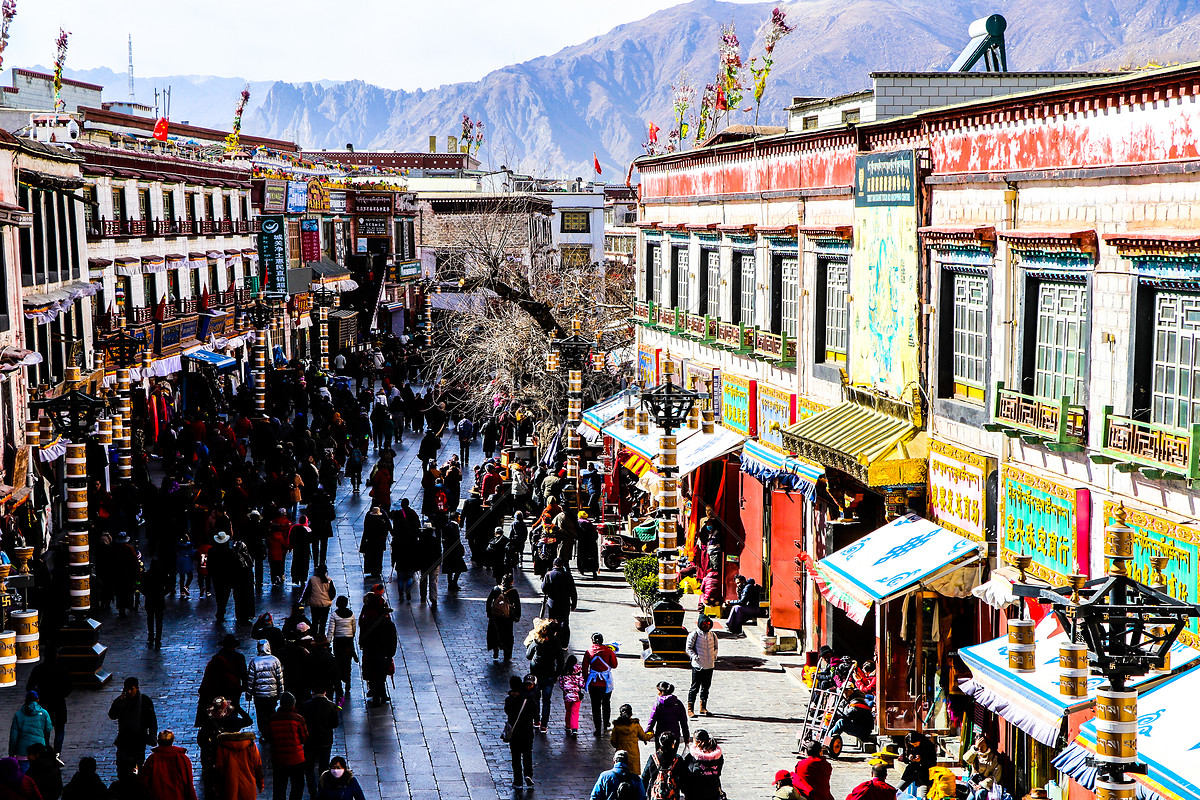
For footwear, sturdy, broken-in hiking boots are necessary. The terrain is uneven, and ankle support is valuable whether you are walking the cobblestones of Barkhor Street or navigating dirt paths at a monastery. Thermal socks are highly recommended for excursions outside of Lhasa.
Beyond clothing, pack a comprehensive medical kit focusing on altitude sickness remedies, basic painkillers, throat lozenges (the dry air causes sore throats easily), and heavy-duty moisturizer. The extreme dryness of the May climate will crack lips and skin rapidly if left untreated. A reusable water bottle is mandatory to ensure constant hydration.
Practical Travel Tips and Local Insights
Navigating the Tibet weather in May is only part of the preparation; understanding the logistics of travel is equally important. May falls just before the peak summer tourist rush, meaning popular sites like the Potala Palace and Jokhang Temple are slightly less crowded, though advance booking remains essential. Permits are strictly required for all foreign travelers and must be arranged through a registered travel agency well in advance.
Acclimatization cannot be rushed. Upon arriving in Lhasa, spend the first two to three days resting, drinking water, and avoiding strenuous activity. The combination of thinner air and fluctuating temperatures can exhaust the body quickly. Listen to your guides regarding physical exertion.
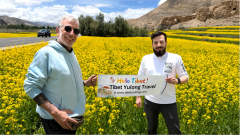
For those seeking a seamless experience, partnering with experienced local operators makes a significant difference. Agencies like Tibet Yulong Travel specialize in crafting itineraries that account for seasonal climate shifts, ensuring that transportation, accommodation, and daily schedules align perfectly with the realities of the plateau’s environment. Their deep knowledge of regional microclimates helps travelers avoid unexpected weather disruptions, maximizing the chances of clear mountain views and comfortable journeys.
Road conditions in May are generally good, as the winter ice has melted and the summer mudslides have not yet begun. However, high mountain passes may still hold patches of snow, so travel times between cities can sometimes be longer than map distances suggest. Flexibility and patience are key virtues when traveling through this magnificent, high-altitude landscape. Embracing the unique rhythms of the local climate ensures a safer, more rewarding adventure.