Leaving the bustling streets of Lhasa behind to venture into the rugged folds of the Tibetan plateau offers a profound shift in perspective. A Tsurphu Monastery day trip from Lhasa is one of the most rewarding excursions you can undertake while visiting Tibet. Nestled in the narrow Tolung Valley, this ancient monastery serves as the traditional seat of the Karmapa lineage within the Kagyu school of Tibetan Buddhism. Unlike the heavily visited sites in central Lhasa, Tsurphu remains relatively quiet, offering travelers an authentic glimpse into monastic life that has endured for centuries. The journey itself takes you through dramatic landscapes, past nomadic settlements, and deep into a valley where spirituality and nature intertwine seamlessly. For those seeking a deeper understanding of Tibetan culture beyond the capital’s main attractions, traveling to this sacred site provides an unforgettable experience rich in history, architectural beauty, and spiritual resonance.
Before diving into the detailed logistics and cultural background of this journey, here are the key points to keep in mind when planning your visit:
- Tsurphu Monastery sits at roughly 4,300 meters, requiring proper acclimatization before departure
- The drive from Lhasa is roughly 1.5 hours one way; it can stretch to 2–3 hours with photo stops, slow traffic or poor road conditions in the rainy season.
- Hiring a vehicle with an experienced local driver is essential for navigating the mountainous terrain safely.
- Respectful behavior and modest clothing are strictly required inside the monastic compounds and temples.
- Bringing cash, snacks, and water is highly recommended as amenities in the valley are very limited.
Planning Your Tsurphu Monastery Day Trip from Lhasa
Embarking on a Tsurphu Monastery day trip from Lhasa requires careful preparation, primarily due to the geographical and administrative realities of traveling in the Tibet Autonomous Region. You cannot simply rent a car and drive off independently; foreign travelers must be part of an organized tour with the necessary permits. This means coordinating with a registered travel agency well in advance of your intended travel dates. Your agency will arrange the mandatory Tibet Travel Permit. Since Tsurphu lies within Lhasa prefecture, no extra Alien Travel Permit is required for this standard day tour.
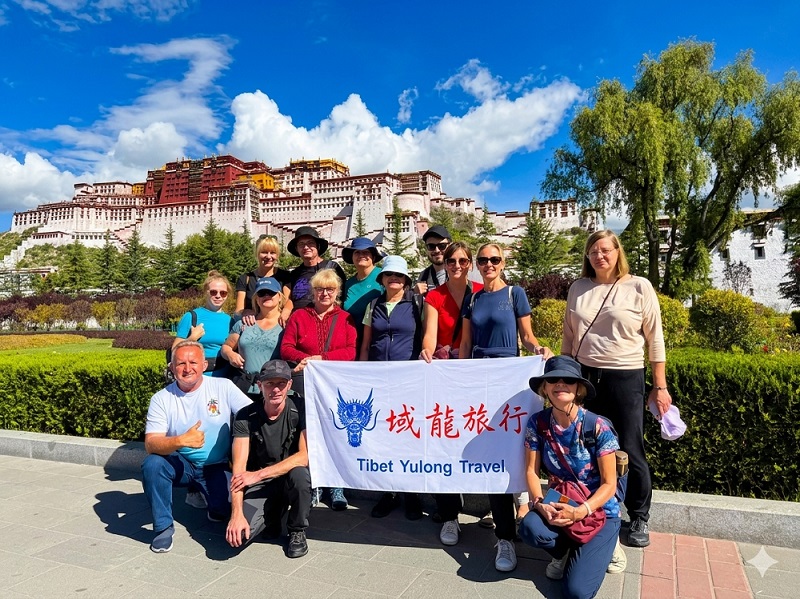
When selecting a travel provider, reliability and local expertise are paramount. Agencies like Tibet Yulong Travel specialize in crafting itineraries that balance logistical efficiency with meaningful cultural immersion. Working with professionals who understand the nuances of high-altitude travel ensures that your schedule allows for adequate rest and flexibility. Weather in the mountains can change rapidly, and road conditions may dictate slight alterations to your route. A seasoned operator will have contingency plans and experienced drivers who know the Tolung Valley intimately.
Timing your departure is another critical factor. To maximize your time at the monastery and avoid driving through the mountain passes after dark, it is advisable to leave Lhasa early in the morning, ideally around seven or eight o’clock. The early morning light also provides spectacular views of the surrounding peaks as you exit the city. Keep in mind that the best times to undertake this excursion are during the spring and autumn months, when the weather is generally stable, skies are clear, and the risk of heavy snowfall blocking the higher passes is minimal. Summer brings warmer temperatures but also coincides with the monsoon season, which can lead to muddy roads and obscured mountain views.
The Route and Journey Through the Tolung Valley
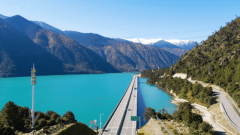
The physical journey is an integral part of the experience, transforming a simple transfer into a scenic expedition. Leaving Lhasa, your route will initially head westward. The first leg of the journey often follows the broader highways before turning northwest into the Tolung Deqing district. As you transition from the main arteries to the secondary roads leading into the valley, the landscape undergoes a dramatic transformation. The urban sprawl fades entirely, replaced by arid hillsides, terraced fields, and the winding course of the Tolung River.
The road into the Tolung Valley narrows significantly as you progress. You will pass through small Tibetan villages where traditional stone houses with flat roofs dot the landscape. Prayer flags flutter fiercely in the wind, strung between homes, across bridges, and over mountain passes, adding vibrant splashes of blue, white, red, green, and yellow against the stark brown and grey earth. These colors represent the five elements—sky, clouds, fire, water, and earth—and are a constant reminder of the deeply ingrained spiritual practices of the local inhabitants.
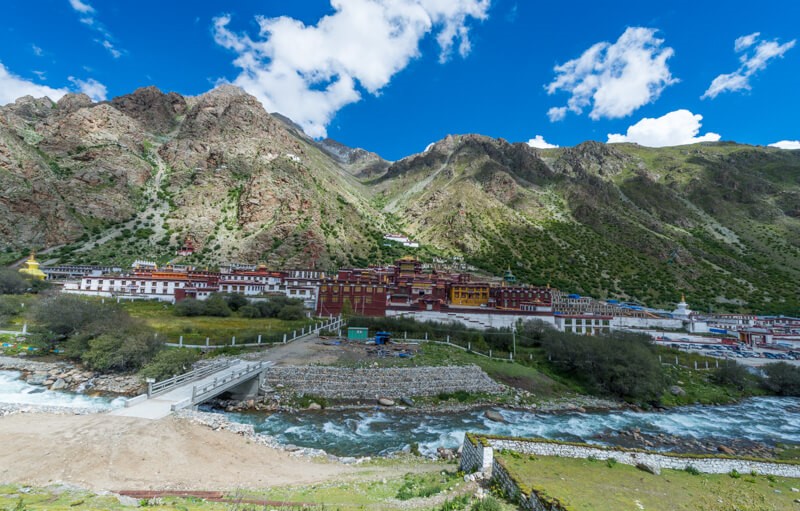
As you climb higher into the valley, the vegetation becomes sparser, and the sheer scale of the Himalayan foothills becomes apparent. The drive involves numerous switchbacks and unpaved sections, making the expertise of your driver invaluable. The rhythmic hum of the engine and the slow ascent give you ample time to observe yaks grazing on distant slopes and perhaps spot marmots darting between rocks near the roadside. This gradual ascent also serves a physiological purpose, allowing your body a bit more time to adjust to the increasing elevation before you arrive at the monastery complex. The anticipation builds as the valley narrows into a steep gorge, signaling that you are approaching the sacred grounds of Tsurphu.
Historical Significance of Tsurphu Monastery
To truly appreciate what you are seeing upon arrival, understanding the historical weight of Tsurphu Monastery is essential. The site was founded in 1189 by Dusum Khyenpa, the first Karmapa. He chose this specific location—a steep, rocky amphitheater surrounded by towering mountains—for its natural isolation and powerful geomantic qualities. From its inception, Tsurphu became the primary seat of the Karma Kagyu lineage, one of the major schools of Tibetan Buddhism known for its emphasis on meditation and the transmission of teachings directly from master to student.
For over eight hundred years, the monastery served as a vital center for religious scholarship, political influence, and artistic production. It was here that successive Karmapas were enthroned, educated, and guided the spiritual lives of thousands of followers. The institution survived numerous historical upheavals, including conflicts between different Tibetan sects and invasions, continually rebuilding and expanding its influence. However, the most devastating blow came during the mid-twentieth century, when the complex was almost entirely destroyed. The magnificent temples, vast libraries of scriptures, and intricate artworks were reduced to rubble.
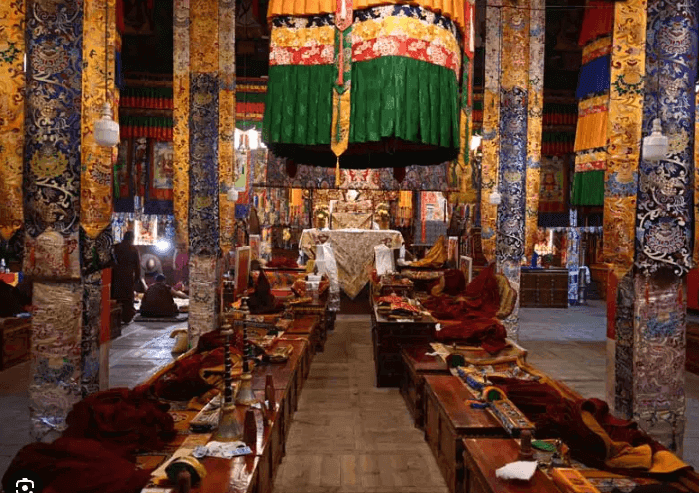
Tsurphu Monastery: The Seat of Tibet’s Karma Kagyu School
What stands today is the result of painstaking reconstruction efforts that began in the 1980s. Following the return of some monks and the easing of certain restrictions, the community slowly began clearing the ruins and laying new foundations. While the current structures may lack the ancient patina of the original buildings, they represent a profound resilience of faith. Walking through the courtyards, you are not just looking at modern reconstructions; you are standing on ground that has been continuously sanctified by centuries of prayer, debate, and devotion. The spirit of the original foundation remains palpable, anchored by the surrounding mountains that have watched over the valley since the first Karmapa arrived.
Exploring the Monastery Complex and Architecture
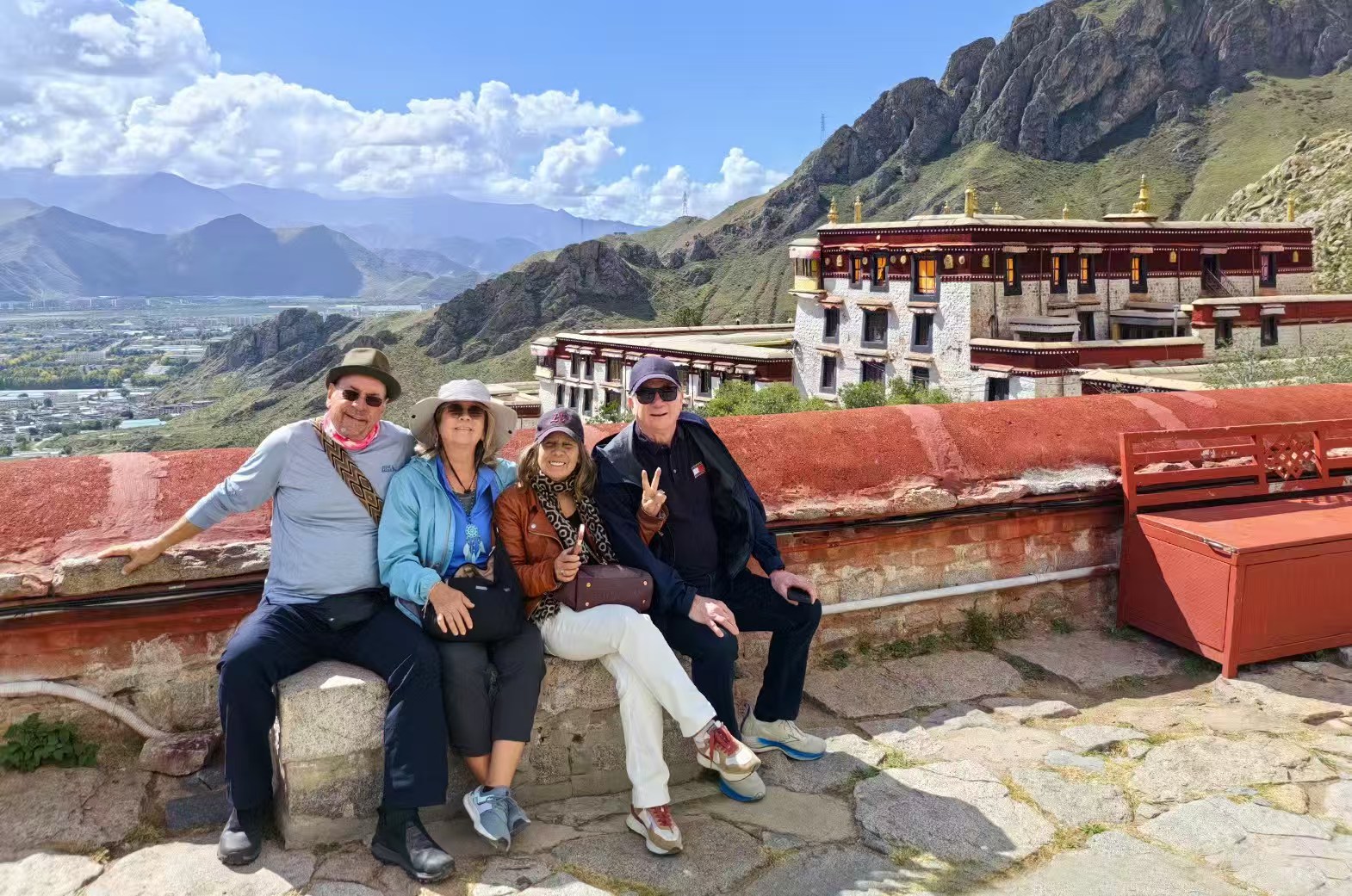
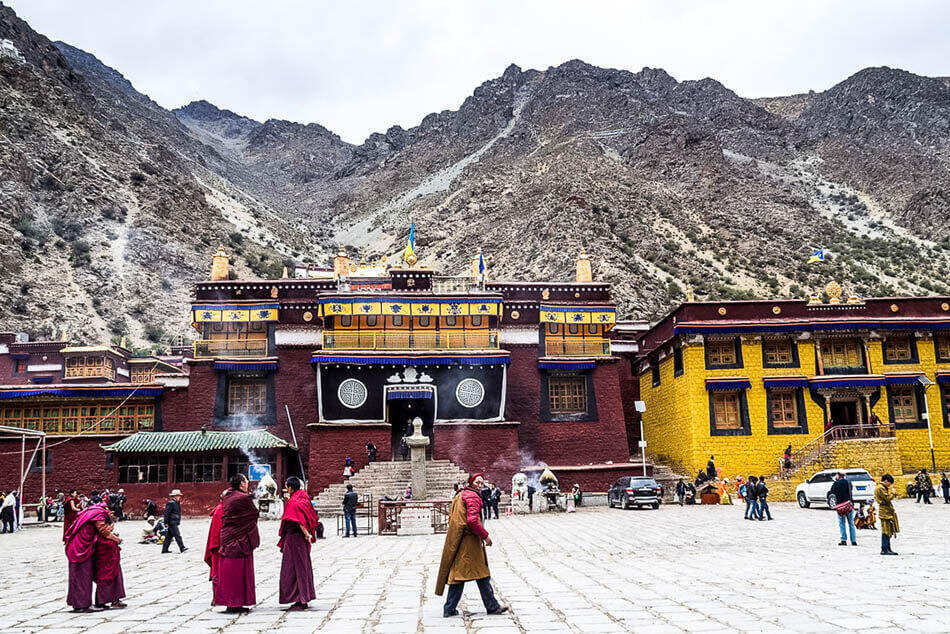
Upon arriving at the end of the road, the monastery complex reveals itself clinging to the steep hillside. The layout is somewhat vertical compared to the sprawling horizontal designs of other Tibetan monasteries, dictated by the narrow confines of the gorge. The architecture is distinctly Tibetan, featuring thick, inward-sloping walls made of stone and rammed earth, painted in stark whites, deep reds, and golden yellows. Heavy wooden beams support flat roofs, and intricately carved window frames add delicate detail to the massive structures.
Your exploration will likely begin in the main courtyard, which serves as the communal heart of the monastery. Here, you might witness monks going about their daily routines, sweeping the flagstones, carrying supplies, or engaging in quiet conversation. The atmosphere is usually serene, punctuated only by the sound of wind chimes or the low murmur of chanting drifting from the assembly halls. Visitors are generally permitted to walk through the outer courtyards and enter specific public chapels, though access to inner sanctums or private monastic quarters is restricted.
The main assembly hall, or Tsuglagkhang, is the focal point of the complex. Stepping inside, the contrast with the bright, harsh sunlight outside is immediate. The interior is dimly lit, illuminated primarily by butter lamps that cast a warm, flickering glow over the statues and murals. The air is thick with the scent of juniper incense and yak butter. Massive pillars wrapped in colorful textiles support the ceiling, and the walls are adorned with frescoes depicting the lineage of the Karmapas, various Bodhisattvas, and protective deities. At the far end of the hall sit the primary shrines, housing statues of the Buddha and past Karmapas, draped in silk offerings left by pilgrims.
Beyond the main hall, smaller chapels and meditation caves dot the upper reaches of the hillside. If your physical condition and time permit, hiking up the steep trails behind the main buildings offers incredible vantage points. Looking down at the monastery nestled in the gorge provides a sense of its isolation and harmony with the natural environment. Along these paths, you will encounter mani stones—rocks carved with the mantra “Om Mani Padme Hum”—stacked into walls or scattered along the trail, left by generations of devoted practitioners.
Altitude Considerations and Physical Preparation
One of the most critical aspects of executing a successful Tsurphu Monastery day trip from Lhasa is managing the effects of high altitude. Lhasa itself sits at approximately 3,650 meters above sea level, which already demands a period of acclimatization. Tsurphu Monastery, however, is located even higher, at roughly 4,300 meters. This difference of nearly 700 meters can significantly impact how you feel, especially when combined with the physical exertion of walking and climbing stairs at the monastery.
It is strongly advised that you spend at least two to three full days acclimatizing in Lhasa before attempting this excursion. During those initial days, avoid strenuous exercise, alcohol, and heavy meals. Drink plenty of water to stay hydrated, as the dry mountain air accelerates fluid loss. When you do arrive at Tsurphu, pace yourself deliberately. The excitement of reaching such a historic site can tempt you to rush through the courtyards and climb the steep steps quickly, but doing so is a recipe for severe headaches, dizziness, and shortness of breath.
Walk slowly, take frequent breaks, and listen to your body. If you begin to feel unwell, find a sheltered spot in the courtyard to sit and rest. Communicate openly with your guide about how you are feeling; experienced guides from agencies like Tibet Yulong Travel are trained to recognize the early signs of altitude sickness and will adjust the pace of the tour accordingly. Carrying portable oxygen canisters, which can be arranged through your travel agency beforehand, provides excellent peace of mind. While many visitors complete the trip without needing supplemental oxygen, having it available reduces anxiety and serves as a safety net if symptoms arise.
Furthermore, dress in layers. The temperature in the Tolung Valley can fluctuate wildly throughout the day. Mornings are often bitterly cold, especially in the shade of the steep mountains, while the midday sun beating down on the stone courtyards can feel surprisingly warm. Wind chill is also a significant factor. A base layer, a warm insulating middle layer, and a windproof outer shell are essential. Sturdy, comfortable walking shoes with good grip are mandatory, as the paths around the monastery are uneven, dusty, and sometimes slippery.
Cultural Etiquette and Responsible Tourism
Visiting an active religious site requires a heightened sense of respect and awareness. Tsurphu Monastery is not merely a tourist attraction; it is a living institution where monks study, pray, and reside. Observing proper cultural etiquette ensures that your presence is respectful and that future travelers are welcomed with the same hospitality.
Dress modestly at all times. Shoulders and knees should be covered, and overly tight or revealing clothing is inappropriate. When entering temples and chapels, you must remove your hat and sunglasses. In many inner sanctuaries, you will also be asked to remove your shoes. Follow the lead of your guide or the monks regarding footwear. Always walk clockwise around stupas, mani walls, and inside the temple complexes. This circumambulation is a fundamental practice in Tibetan Buddhism, and moving counter-clockwise is considered disrespectful.
Photography rules vary by location and are subject to change. Generally, photographing the exterior architecture, courtyards, and landscapes is permitted. However, taking photos inside the assembly halls and chapels is often strictly prohibited or requires a specific fee paid to the monastery administration. Never use a flash when photographing ancient murals or statues, as the light degrades the pigments. Most importantly, never photograph monks without their explicit permission, especially during prayer sessions or private moments. If you wish to take a portrait, ask your guide to help you request consent politely.
Interactions with the monastic community should be courteous and unobtrusive. If you encounter monks debating in the courtyards—a fascinating and energetic educational practice—observe quietly from a distance rather than walking through their groups. Making financial donations is a common practice for visitors who wish to support the monastery’s upkeep. Small bills placed on altars or given to the caretakers at the entrance of chapels are appreciated. Avoid handing money directly to young monks, as this can disrupt their discipline.
What to Pack for the Day Trip
Given the remote nature of the Tolung Valley and the duration of the journey, packing correctly for your Tsurphu Monastery day trip from Lhasa makes a substantial difference in your overall comfort. Since you will be returning to Lhasa the same evening, a small daypack is sufficient. Leave large luggage at your hotel.
Hydration and nutrition are top priorities. Carry at least two liters of water. While there might be small vendors selling basic drinks near the monastery entrance during peak seasons, relying on them is risky. Pack high-energy snacks that are easy to digest at high altitudes. Nuts, dried fruits, chocolate, energy bars, and biscuits are excellent choices. Avoid bringing messy or strong-smelling foods, as eating inside the temple areas is forbidden.
Sun protection is non-negotiable. The ultraviolet radiation at 4,300 meters is intense, even on cloudy days. Apply high-SPF sunscreen generously before leaving Lhasa and reapply during the day. Lip balm with SPF prevents painful cracking caused by the dry wind. Sunglasses with UV protection shield your eyes from the glare bouncing off the pale rocks and whitewashed walls.
A basic personal first-aid kit should include pain relievers for potential altitude headaches, any personal prescription medications, adhesive bandages, and wet wipes or hand sanitizer, as restroom facilities in the valley are extremely basic and often lack running water. Bring a power bank for your phone or camera, as the cold drains batteries much faster than usual, and there are no charging stations available along the route. Finally, carry some small denomination Chinese currency (RMB) for entrance fees, donations, or purchasing small items like prayer flags from local vendors.
Returning to Lhasa and Reflecting on the Experience
The descent back through the Tolung Valley usually begins in the late afternoon, ensuring you navigate the mountain roads while there is still ample daylight. The return journey offers a different perspective on the landscape you traversed earlier. As the shadows lengthen in the gorge and the light turns golden, the stark mountains soften, providing a beautiful backdrop for reflection.
Driving back toward Lhasa, the transition from the silent, rugged wilderness to the increasingly populated outskirts of the city creates a striking contrast. You will likely arrive back at your hotel in the early evening. After spending the day breathing thin mountain air and absorbing centuries of spiritual history, the relative warmth and thicker oxygen of Lhasa often feel incredibly comforting. Take it easy for the remainder of the night. Enjoy a warm meal, hydrate thoroughly, and allow your body to recover from the physical demands of the excursion.
A Tsurphu Monastery day trip from Lhasa is far more than a standard sightseeing detour. It is an immersive journey into the heart of Tibetan Buddhist heritage, set against a backdrop of unforgiving yet breathtaking natural beauty. By preparing adequately for the altitude, respecting the cultural protocols, and choosing reliable travel partners, you ensure that your visit contributes positively to the preservation of this extraordinary site. Whether you are drawn by deep spiritual interest, a passion for history, or simply the desire to witness the raw majesty of the Tibetan plateau, the memories forged in the quiet courtyards of Tsurphu will remain a defining highlight of your travels in Tibet.