Tibetan Art is one of the most visually striking and spiritually profound artistic traditions in the world. Rooted deeply in Vajrayana Buddhism, it encompasses a wide range of mediums including painting, sculpture, textiles, and architecture. For centuries, artists have dedicated their lives to creating works that serve not merely as aesthetic objects, but as tools for meditation, spiritual teaching, and devotion. The unique geographical isolation of the Himalayan plateau allowed this tradition to develop distinct characteristics, blending indigenous Bon beliefs with influences from India, Nepal, and China. Whether you are an art historian, a spiritual seeker, or a curious traveler, understanding Tibetan Art offers a fascinating window into a culture where creativity and spirituality are inseparable. This guide explores the core elements, historical evolution, and living traditions of this remarkable heritage.
Key Takeaways:
- Tibetan Art is fundamentally rooted in Vajrayana Buddhist philosophy and practice.
- Thangka painting is the most iconic and widely recognized visual medium.
- Sacred geometry and precise iconography dictate every artistic composition.
- Metalwork, woodcarving, and sand mandalas represent other vital expressions.
- Experiencing these traditions firsthand remains a highlight for travelers visiting Tibet.
The Historical Evolution of Tibetan Art
The origins of Tibetan Art stretch back long before the formal introduction of Buddhism to the Himalayan region. Early artistic expressions were heavily influenced by the indigenous Bon religion, which emphasized shamanic rituals, nature worship, and animistic spirits. These early forms featured bold, raw depictions of local deities, animals, and natural landscapes, laying a foundational aesthetic that would later merge with incoming religious philosophies.
When Buddhism began to take root in Tibet around the seventh century, the artistic landscape underwent a massive transformation. Monks and scholars traveling between Tibet, India, and Nepal brought with them sacred texts, ritual objects, and artistic techniques. The Pala dynasty of India, known for its refined Buddhist sculpture and manuscript illumination, had a particularly strong impact. Similarly, Newari artisans from the Kathmandu Valley introduced advanced metalworking and painting techniques that became integral to the developing style. Over time, Tibetan artists absorbed these diverse influences, synthesizing them into a highly distinctive visual language. By the time the major monastic universities were established, a standardized system of artistic production was firmly in place, ensuring that Tibetan Art maintained its theological accuracy while continuing to evolve aesthetically across different regions and monastic lineages.
Understanding Thangka Painting in Tibetan Art
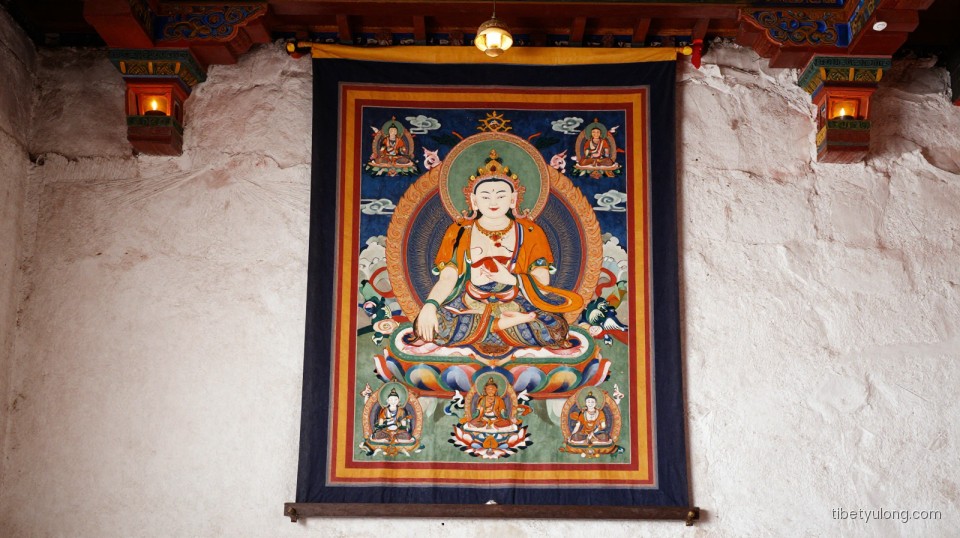
No discussion of Tibetan Art is complete without exploring the thangka, a traditional scroll painting that serves as the centerpiece of Himalayan visual culture. Thangkas are painted on cotton or silk canvases using mineral and organic pigments, often accented with pure gold leaf. They are designed to be rolled up for transport, making them ideal for nomadic lifestyles and traveling monks who needed portable objects of devotion.
The creation of a thangka is a deeply meditative process governed by strict scriptural guidelines. Artists do not paint from imagination; instead, they follow precise geometric grids and iconometric rules detailed in ancient Buddhist texts. Every deity depicted has specific attributes, postures, hand gestures (mudras), and colors that convey exact philosophical meanings. For example, a blue hue might represent infinite space or the transformation of anger into wisdom, while a specific hand gesture could symbolize fearlessness or teaching.
Thangkas serve multiple purposes within the community. They are used as focal points during meditation, allowing practitioners to visualize deities and internalize their qualities. They also function as educational tools, illustrating complex narratives from the lives of the Buddha, historical masters, or cosmological maps of the universe. During major religious festivals, giant appliqué thangkas are sometimes unfurled on hillsides for public viewing, transforming the landscape itself into a canvas of Tibetan Art.
The Role of Sacred Geometry and Symbolism
At the heart of Tibetan Art lies an intricate system of sacred geometry and symbolism. Unlike Western art traditions that often prioritize individual expression or realistic perspective, this artistic heritage is primarily concerned with mapping the spiritual universe. The mandala is perhaps the most famous geometric construct within this tradition. A mandala is a circular diagram representing the cosmos, typically featuring a central deity surrounded by concentric rings of palaces, gates, and protective figures.
Creating a mandala requires absolute precision. Monks spend years studying the mathematical proportions and symbolic meanings required to draft these complex diagrams. Whether painted on canvas, constructed from crushed colored stones, or visualized mentally during advanced meditation, the mandala represents a pure realm free from suffering. The process of engaging with a mandala—whether by creating it or meditating upon it—is considered a transformative act.
Colors in Tibetan Art are never chosen arbitrarily. The five primary colors correspond to the five Buddha families, the five elements, and the five psychological afflictions that must be transformed into wisdoms. White represents purity and the element of water; yellow signifies wealth and earth; red embodies power and fire; green relates to action and wind; and blue denotes space and infinite awareness. This rigorous symbolic framework ensures that every piece of Tibetan Art communicates a multi-layered spiritual message to those trained to read it.
Sculpture, Metalwork, and Three-Dimensional Forms
While two-dimensional paintings often receive the most international attention, three-dimensional Tibetan Art is equally significant and technically demanding. Bronze casting, utilizing the lost-wax method, has been practiced in the Himalayas for over a millennium. Artisans create breathtaking statues of Buddhas, bodhisattvas, and wrathful protector deities, often gilding them with gold and inlaying them with turquoise, coral, and lapis lazuli.
These sculptures are not merely decorative. In the Vajrayana tradition, a statue only becomes a sacred object after a consecration ceremony. During this ritual, mantras written on paper, relics, and precious substances are sealed inside the hollow base of the figure, effectively “awakening” it. Once consecrated, the sculpture is treated as a living embodiment of the deity it represents.
Woodcarving is another essential discipline within Tibetan Art. The elaborate wooden pillars, beams, and doorframes found in monasteries and traditional homes feature intricate carvings of lotus flowers, mythical snow lions, dragons, and auspicious symbols. Butter sculpture, a more ephemeral art form, is also highly revered. Monks sculpt elaborate scenes and deities out of yak butter mixed with mineral pigments, usually displayed briefly during winter festivals before melting away, serving as a poignant reminder of impermanence.
Sand Mandalas and Ephemeral Expressions
One of the most mesmerizing and philosophically profound manifestations of Tibetan Art is the creation of sand mandalas. Teams of highly trained monks spend days or even weeks meticulously pouring millions of grains of colored sand through narrow metal funnels called chak-purs. They work outward from the center, tapping the funnels to release the sand in precise lines, gradually building a complex, vibrant architectural map of a divine palace.
The physical execution requires extraordinary steadiness and concentration, often performed in silence or accompanied by chanting. However, the true essence of this art form is revealed at the end of the exhibition. Once the intricate sand mandala is completed and the associated rituals are finished, it is deliberately swept away. The colored sands are gathered into an urn and poured into a flowing river, dispersing the blessings into the wider world. This act of destruction is not a tragedy but the ultimate lesson of Tibetan Art: everything in the material world is impermanent. The beauty lies in the process of creation and the spiritual merit generated, rather than in the preservation of the physical object.
Experiencing Tibetan Art Through Travel
To truly appreciate the depth and scale of Tibetan Art, reading about it or viewing photographs is rarely enough. Experiencing it within its cultural context provides a profound shift in understanding. Visiting active monasteries allows travelers to see thangkas hanging in dimly lit shrine rooms, illuminated by flickering butter lamps and the scent of juniper incense. It offers the chance to hear the deep resonance of monks chanting while surrounded by centuries-old murals depicting the cycles of existence.
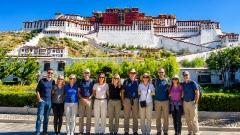
For those planning a journey to explore this rich cultural heritage, working with experienced local operators makes a significant difference. Tibet Yulong Travel specializes in crafting itineraries that go beyond standard sightseeing, offering immersive access to the region’s artistic and spiritual landmarks. Whether guiding visitors through the vast collections of historic artifacts in Lhasa, arranging visits to remote monasteries where traditional painting techniques are still taught to young apprentices, or facilitating respectful interactions with local artisans, Tibet Yulong Travel helps bridge the gap between curious travelers and authentic cultural experiences. Engaging directly with the environment where Tibetan Art was born and continues to thrive transforms a simple trip into a deeply educational and spiritually enriching pilgrimage.
Preservation and Modern Adaptations
As the world becomes increasingly interconnected, the preservation of Tibetan Art faces both challenges and new opportunities. Historically, artistic knowledge was passed down strictly within family lineages or monastic institutions through rigorous apprenticeships. Today, efforts are being made to document these traditional methods, ensuring that the precise iconographic rules and natural pigment-making processes are not lost to modernization.
Simultaneously, contemporary artists from the region are finding innovative ways to engage with their heritage. Some blend traditional motifs with modern artistic mediums, introducing the philosophical depth of Tibetan Art to global contemporary galleries. Others focus strictly on maintaining classical techniques, establishing schools and workshops dedicated to training the next generation of thangka painters and sculptors. This dynamic tension between preservation and innovation ensures that the tradition remains a living, breathing practice rather than a static museum relic. As long as there are practitioners willing to dedicate themselves to the meticulous study and spiritual discipline required, the legacy of Tibetan Art will continue to inspire and illuminate minds across the globe.