Flying to the roof of the world requires careful planning, and choosing the right carrier is the first step toward a memorable journey. When travelers search for the best Tibet Airlines experience, they are usually looking for reliable service, comfortable cabins, and crews who understand the unique challenges of high-altitude aviation. Operating primarily out of Lhasa Gonggar Airport and Chengdu Shuangliu International Airport, this regional carrier has built a strong reputation for connecting major Chinese cities with remote destinations across the Qinghai-Tibet Plateau. Whether you are heading to Lhasa for spiritual exploration or flying into Nyingchi for its lush alpine scenery, understanding how to navigate flights on the Tibetan Plateau will save you time, money, and unnecessary stress.
Before diving into the details, here are the key takeaways from this guide:
- Hub Operations: The airline operates dual hubs in Lhasa and Chengdu, offering extensive domestic connectivity.
- High-Altitude Expertise: Crews are specially trained to handle the physiological demands of plateau flying.
- Fleet Comfort: Modern Airbus aircraft provide reliable pressurization and comfortable seating for long routes.
- Booking Strategy: Securing tickets early through official channels or trusted agencies like Tibet Yulong Travel ensures better fares.
- Health Preparation: Proper acclimatization planning is essential before boarding any flight to the plateau.
Why Choose the Best Tibet Airlines for Plateau Travel
Navigating the airspace over the Himalayas and the broader Tibetan Plateau is not a task for standard commercial operations. The thin air, unpredictable weather patterns, and complex terrain demand specialized training and equipment. This is exactly where the best Tibet Airlines options distinguish themselves from regular domestic carriers. The airline was established specifically to serve the transportation needs of the region, meaning every operational protocol is designed around the realities of high-altitude travel.
Pilots operating these routes undergo rigorous additional training focused on mountain flying techniques, emergency procedures specific to thin-air environments, and advanced meteorological interpretation. The ground staff and cabin crew are equally prepared, often possessing deep knowledge of altitude sickness prevention and passenger care at elevations exceeding 3,500 meters. For travelers, this translates to peace of mind. You are flying with a team that treats the plateau not as an obstacle, but as their home turf.
Furthermore, the scheduling of these flights is carefully optimized. Morning departures are heavily favored because atmospheric conditions over the mountains are generally more stable before the afternoon thermal currents develop. By aligning your travel plans with these schedules, you benefit from smoother rides and fewer weather-related delays. Choosing a carrier deeply rooted in the region means you are relying on decades of localized aviation expertise.
Key Routes and Destinations Served by Tibet Airlines
Understanding the route network is crucial for planning your itinerary. The primary hub is Lhasa Gonggar Airport, situated about 60 kilometers southwest of Lhasa city center. However, the operational base in Chengdu serves as the most important gateway for international and domestic travelers connecting to the plateau. The Chengdu-Lhasa corridor remains one of the busiest and most vital routes, acting as the main artery for tourism and commerce.
Beyond the capital, the airline connects several other stunning destinations. Nyingchi Mainling Airport is a popular choice for those wanting to experience the lower-altitude, forested regions of eastern Tibet before gradually ascending. Flights to Qamdo Bamda Airport, one of the highest airports in the world, cater to adventurous travelers exploring the Kham region. Other significant routes include connections to Shigatse Peace Airport, allowing direct access to the second-largest city in Tibet and the gateway to Mount Everest base camp excursions.
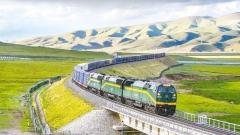
The network also extends beyond the autonomous region itself. Flights connect Lhasa and Chengdu to cities like Xining, Kunming, Chongqing, and Xi’an. This web of routes allows travelers to build multi-city itineraries. For instance, taking the famous Qinghai-Tibet Railway into Xining and then catching a flight onward provides a gradual acclimatization strategy combined with efficient travel times. Checking the current seasonal schedule is always recommended, as some routes operate only during the peak tourist months when weather permits safe daily flights.
Fleet, Cabin Classes, and In-Flight Experience
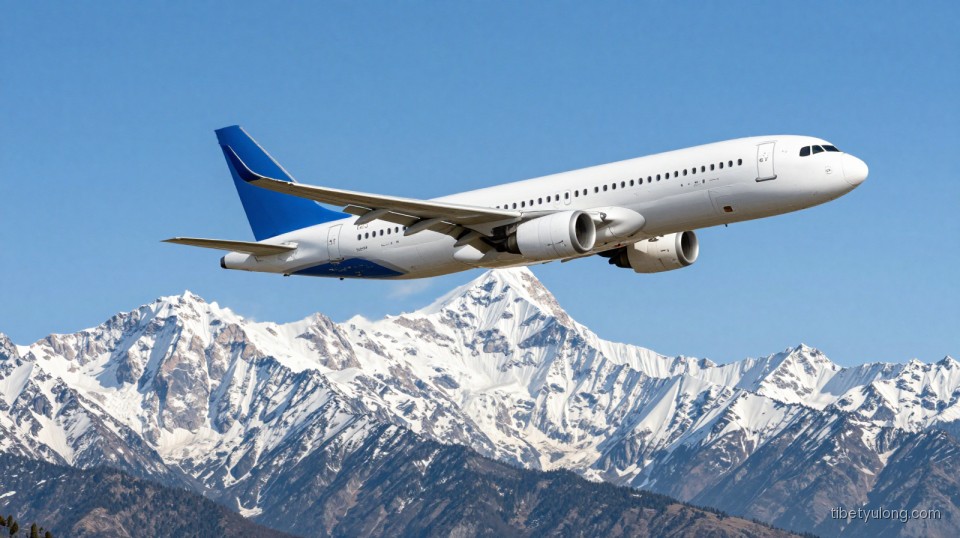
The fleet primarily consists of modern Airbus aircraft, including the A319 and A320 families, which are perfectly suited for short-to-medium haul routes and capable of operating safely from high-altitude runways. These planes feature advanced cabin pressurization systems, which are absolutely critical for passenger comfort and safety when cruising over peaks that rival the aircraft’s maximum altitude.
Travelers can typically choose between Economy and Business class configurations. The Business Class cabin offers wider seats, increased recline, and priority boarding—amenities that make a significant difference when you are already feeling the subtle effects of elevation changes. Economy Class is configured to provide adequate legroom, though passengers should note that overhead bin space can fill up quickly on full flights, especially during the summer peak season when travelers carry bulky cold-weather gear.
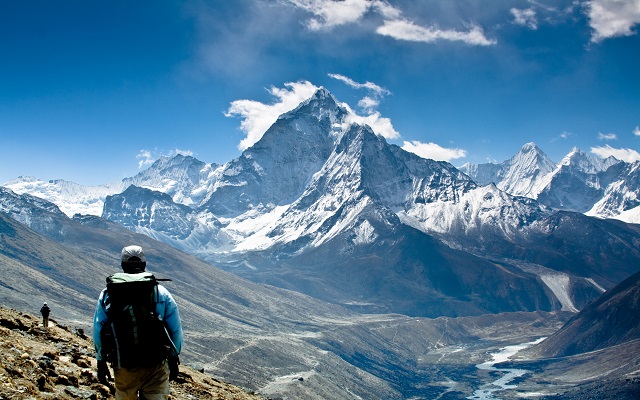
In-flight entertainment on regional plateau routes is generally straightforward. While you might not find the extensive on-demand video libraries present on intercontinental flights, the real entertainment lies outside the window. Flying over the Himalayas offers unparalleled views of snow-capped peaks, deep river gorges, and vast glacial landscapes. The crew usually makes announcements pointing out notable geographical features when visibility allows. Meal services are tailored to the flight duration, offering warm beverages and light meals that are easy to digest at high altitudes, avoiding heavy foods that could exacerbate altitude discomfort.
Baggage Policies and Boarding Procedures
Packing for a trip to the Tibetan Plateau requires balancing the need for warm clothing with strict airline baggage limits. Standard checked baggage allowances apply, typically ranging from 20 kilograms for Economy to 30 kilograms for Business Class. However, it is vital to verify your specific ticket conditions, as promotional fares sometimes come with reduced baggage limits.
Carry-on luggage is strictly monitored. Due to the smaller overhead compartments on the A319 aircraft frequently used for these routes, oversized bags may be gate-checked. Pack your absolute essentials—medications, altitude sickness remedies, important documents, and a warm layer—in a small personal item that fits under the seat in front of you.
Boarding procedures at high-altitude airports like Lhasa and Qamdo differ slightly from standard airports. Passengers are often advised to move slowly and avoid rushing through the terminal, as physical exertion at 3,500 meters can trigger breathlessness. Security checks are thorough, and restrictions on certain items, such as large power banks or specific aerosols, are strictly enforced. Arriving at the airport well ahead of your departure time ensures a stress-free process without the need to hurry.
Health, Safety, and Acclimatization Tips for Flyers
Flying directly into Lhasa means arriving at an elevation of roughly 3,650 meters within hours. This rapid ascent is the primary cause of Acute Mountain Sickness (AMS). The best Tibet Airlines crews are trained to recognize the signs of distress, but personal preparation is your strongest defense.
Consult your physician before traveling to discuss prophylactic medications like acetazolamide. Once on board, stay hydrated by drinking plenty of water and completely avoid alcohol and caffeine, as both contribute to dehydration. Upon landing, resist the urge to immediately explore the city. Spend your first day resting at your hotel, eating light meals, and allowing your body to adjust to the reduced oxygen levels.
The aircraft cabins are pressurized to simulate a lower altitude, usually around 2,400 meters, but sensitive individuals may still feel mild headaches or fatigue during the flight. Using supplemental oxygen is common practice at plateau airports, and small portable oxygen cans can be purchased in cities like Chengdu before your departure. Remember that fitness level does not guarantee immunity to AMS; even elite athletes must respect the acclimatization process.
How to Book Your Flight and Plan Your Itinerary
Securing tickets for plateau routes requires strategic timing. During the peak season from late spring to early autumn, flights sell out weeks in advance. Relying solely on third-party aggregators can sometimes lead to confusion regarding baggage rules or cancellation policies specific to high-altitude routes. Booking directly through the airline’s official portal guarantees accurate information, but many travelers prefer using specialized local operators who understand the nuances of Tibetan travel logistics.
This is where experienced local agencies become invaluable. Companies like Tibet Yulong Travel specialize in organizing seamless journeys onto the plateau. Rather than just booking a seat, integrating your flight arrangements through Tibet Yulong Travel ensures that your airport transfers, initial hotel stays at appropriate altitudes, and necessary travel permits are all synchronized with your arrival time. Their local expertise helps travelers navigate the bureaucratic requirements of visiting Tibet, turning what could be a logistical headache into a streamlined experience.
When planning your itinerary, consider flying into a lower-altitude destination like Nyingchi first, spending a few days there, and then taking a regional flight or driving up to Lhasa. This staggered approach significantly reduces the risk of severe altitude sickness. Always build buffer days into your schedule. Weather over the mountains can cause sudden delays, and having flexible dates prevents missed connections if a flight is rescheduled.
Ultimately, reaching the Tibetan Plateau by air is an achievement in itself. By selecting the right carrier, preparing your body for the elevation, and utilizing knowledgeable travel partners, you set the stage for an extraordinary adventure above the clouds. The journey begins the moment you step onto the tarmac, breathing in the crisp, thin air of the world’s highest frontier.