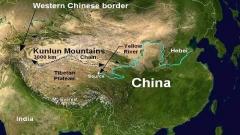
Rising majestically from the remote landscapes of western Tibet, Gurla Mandhata stands as one of the most awe-inspiring peaks in the Himalayas. Located just across the sacred Lake Manasarovar from Mount Kailash, this towering mountain holds immense spiritual and geographical significance. Reaching an elevation of 7,694 meters (25,243 feet), it is the highest peak in the Nalakankar Himal range. For centuries, pilgrims and mountaineers alike have been drawn to its icy slopes and rugged ridges. Whether you are a seasoned trekker or a spiritual seeker, understanding the allure of Gurla Mandhata is essential before planning a journey to this isolated corner of the world. The combination of high-altitude adventure and profound cultural heritage makes it a unique destination that demands respect, preparation, and a deep appreciation for the natural world.
Key Highlights:
- Gurla Mandhata reaches an elevation of 7,694 meters.
- It sits directly opposite Mount Kailash across Lake Manasarovar.
- The mountain holds deep significance in Hinduism, Buddhism, and Bon traditions.
- Trekking around the peak requires excellent physical fitness and proper acclimatization.
- Accessing the region involves traveling through remote parts of western Tibet.
The Geography and Topography of Gurla Mandhata
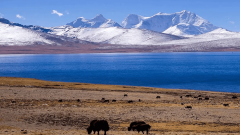
Understanding the physical landscape of Gurla Mandhata is crucial for anyone planning to visit the region. Situated in the Burang County of the Ngari Prefecture in Tibet, the mountain dominates the skyline south of Lake Manasarovar. Unlike some Himalayan peaks that form part of a massive continuous ridge, Gurla Mandhata stands somewhat independently within the Nalakankar Himal sub-range. This isolation gives it a striking visual prominence, especially when viewed from the northern shores of the lake or the plains surrounding Mount Kailash.
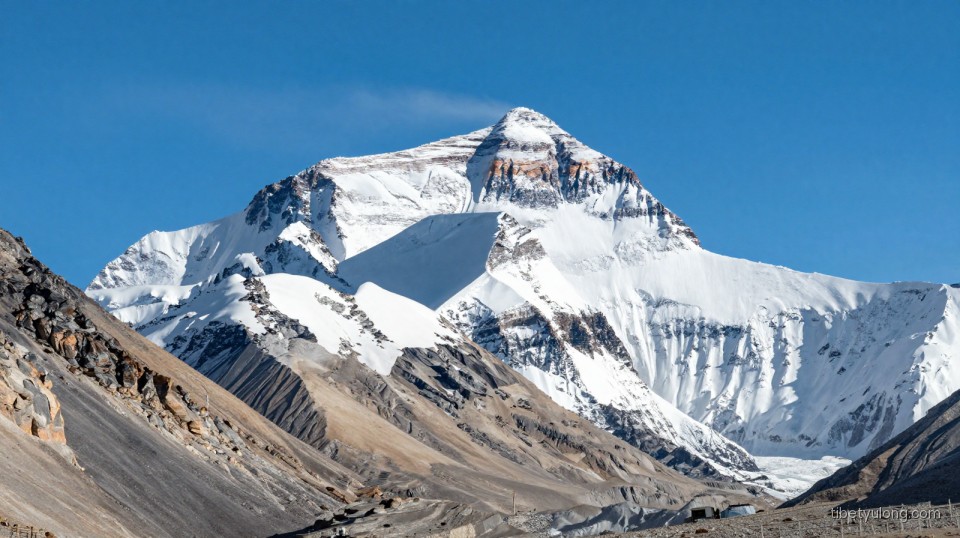
The topography of Gurla Mandhata is characterized by steep, heavily glaciated faces and sharp ridges. Several large glaciers flow down from its summit, carving deep valleys into the surrounding rock. These glaciers are vital sources of freshwater for the local ecosystem, feeding streams that eventually make their way into the closed basin systems of the Tibetan Plateau. The terrain is incredibly rugged, with loose scree, exposed bedrock, and permanent ice fields making navigation challenging even for experienced mountaineers. The sheer scale of the mountain becomes apparent only when you stand at its base, where the vertical relief from the valley floor to the summit is staggering.
The climate around Gurla Mandhata is typical of the high-altitude Tibetan Plateau. Winters are brutally cold, with temperatures plummeting well below freezing and fierce winds sweeping across the barren landscape. Summers are slightly milder but remain unpredictable, with sudden snowstorms possible even during the warmer months. The best time to view or trek near the mountain is generally from late spring to early autumn, when the weather windows are slightly more forgiving, though conditions can change rapidly without warning.
Spiritual Significance of Gurla Mandhata in Local Religions
While Mount Kailash often steals the spotlight in discussions about sacred geography in western Tibet, Gurla Mandhata holds an equally important place in the hearts and minds of local practitioners. In Hindu mythology, the mountain is believed to be the abode of King Mandhata, an ancient sovereign who performed severe penance here to attain spiritual liberation. Some texts associate the peak with Lord Shiva, viewing it as a complementary sacred site to Mount Kailash. Pilgrims who complete the Kailash Mansarovar Yatra often pay their respects to Gurla Mandhata, acknowledging its role in the broader spiritual landscape.
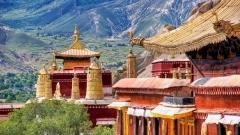
In Tibetan Buddhism, the mountain is deeply revered. It is frequently associated with the deity Chakrasamvara, much like its neighbor Mount Kailash. Monasteries and hermitages dot the lower valleys surrounding the peak, serving as retreat centers for monks seeking solitude and enlightenment. The Bon religion, which predates Buddhism in Tibet, also considers Gurla Mandhata a sacred axis mundi—a connection point between the earthly realm and the divine. For followers of these traditions, the mountain is not merely a geological formation but a living entity imbued with spiritual energy.
The relationship between Gurla Mandhata and Lake Manasarovar further amplifies its religious importance. The lake is considered one of the holiest bodies of water in Asia, and the mountain acts as its southern guardian. Together, they form a mandala of natural sanctity that draws thousands of pilgrims annually. Walking along the shores of the lake with the imposing silhouette of the mountain in the background is an experience that transcends mere sightseeing, offering a profound sense of peace and historical continuity.
Trekking and Mountaineering Around Gurla Mandhata
For adventure enthusiasts, Gurla Mandhata presents a formidable challenge. Climbing the summit is a major mountaineering expedition requiring technical skills, specialized equipment, and extensive high-altitude experience. The first successful ascent was achieved relatively late compared to other Himalayan giants, owing to the mountain’s remote location, harsh weather, and complex route-finding. Today, summit attempts remain rare and are strictly regulated, requiring special permits from local authorities.
However, you do not need to be a professional alpinist to experience the grandeur of the mountain. Trekking in the foothills and surrounding valleys offers a highly rewarding alternative. Popular trekking routes take hikers through high-altitude deserts, past glacial moraines, and alongside crystal-clear streams fed by the mountain’s meltwater. These treks usually begin from small settlements near Lake Manasarovar or the town of Purang (Burang). The trails are largely unmarked, meaning navigation skills and local knowledge are absolutely essential.
Acclimatization is the most critical factor when trekking near Gurla Mandhata. The base elevations start well above 4,500 meters, and higher passes can push trekkers over 5,500 meters. At these altitudes, the air is thin, and the risk of acute mountain sickness (AMS) is significant. A slow, measured approach is necessary, allowing the body several days to adjust before attempting any strenuous ascents. Hydration, proper nutrition, and recognizing the early symptoms of altitude illness are non-negotiable aspects of any itinerary in this region.
Wildlife encounters add another layer of excitement to the trekking experience. The arid steppes and rocky outcrops around the mountain are home to Tibetan antelopes, wild asses (kiang), blue sheep, and occasionally the elusive snow leopard. Birdwatchers might spot Himalayan griffons soaring on the thermal currents generated by the sun-baked rocks. Respecting the habitat of these animals by maintaining a safe distance and leaving no trace is a fundamental responsibility for all visitors.
Planning Your Journey: Logistics and Travel Tips
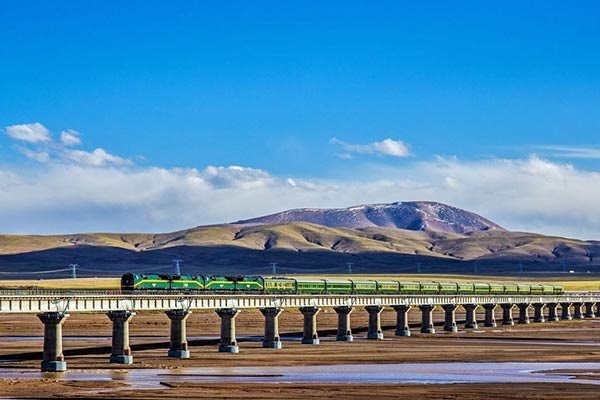
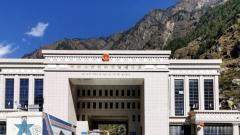
Reaching Gurla Mandhata is an adventure in itself due to the extreme remoteness of western Tibet. Most travelers fly into Lhasa or arrive via train, and then embark on a multi-day overland journey across the Tibetan Plateau to reach the Ngari Prefecture. Alternatively, some expeditions cross the border from Nepal via the Purang entry point. Regardless of the route, the travel time is substantial, and the infrastructure along the way is basic. Roads can be unpaved, rough, and subject to closures due to weather or landslides.
Permits are a strict requirement for foreign travelers visiting Tibet, and the Ngari region has additional regulations due to its proximity to international borders and its status as a sensitive ecological zone. You will need a Tibet Travel Permit, an Alien Travel Permit, and potentially a military border pass. These cannot be obtained independently; they must be arranged through a registered travel agency. Working with experienced operators like Tibet Yulong Travel can significantly streamline this process. They possess the local expertise required to secure the necessary documentation, arrange reliable transportation, and provide knowledgeable guides who understand both the terrain and the cultural nuances of the area.
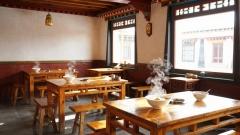
Accommodation options near Gurla Mandhata are limited. In towns like Purang, you will find basic guesthouses and small hotels offering simple meals and warm beds. Once you leave the main settlements and head into the trekking zones, camping becomes the only viable option. You must carry comprehensive camping gear designed for extreme cold and high winds, including four-season tents, insulated sleeping bags, and portable stoves capable of functioning in low-oxygen environments.
Packing for a trip to this region requires careful consideration. Layered clothing is essential to manage the drastic temperature fluctuations between day and night. Sun protection is paramount, as the ultraviolet radiation at high altitudes is intense. Sunglasses, high-SPF sunscreen, and wide-brimmed hats should be standard items in your pack. Additionally, carrying a comprehensive medical kit, including medications for altitude sickness, pain relief, and gastrointestinal issues, is highly recommended, as medical facilities are virtually nonexistent in the immediate vicinity of the mountain.
Environmental Conservation and Responsible Tourism
The fragile ecosystem surrounding Gurla Mandhata is under constant pressure from climate change and increasing human activity. The glaciers that adorn the peak are retreating, a visible indicator of shifting global weather patterns. This melting affects downstream water availability and alters the delicate balance of the high-altitude wetlands and grasslands. As visitors, it is imperative to adopt practices that minimize environmental impact.
Responsible tourism means adhering strictly to Leave No Trace principles. All waste generated during treks or expeditions must be carried out and disposed of properly in designated areas far from the mountain. Using biodegradable soaps and avoiding the contamination of streams and lakes helps preserve the pristine nature of the water sources. Furthermore, respecting the spiritual sites—such as mani stones, prayer flags, and small shrines—is crucial. These are not tourist attractions but active places of worship, and interacting with them should always be done with reverence and permission.
Engaging with local communities in a respectful and mutually beneficial manner is another pillar of responsible travel. Hiring local guides, purchasing supplies from village cooperatives, and learning about the indigenous customs contribute positively to the regional economy. When managed thoughtfully, tourism can provide the financial incentive needed to protect the natural and cultural heritage of the Gurla Mandhata region for future generations. By approaching this magnificent peak with humility and preparation, travelers ensure that their footprint remains light while their memories endure forever.