Nestled in the fertile Nyang Chu Valley of southern Tibet, Gyantse is a destination that feels suspended between ancient history and rugged mountain beauty. Unlike the bustling streets of Lhasa or the high-altitude base camps near Everest, this town offers travelers a quieter, more contemplative experience. Known historically as a vital trade hub on the route between India and Tibet, it retains a distinct cultural identity shaped by centuries of commerce and devotion. For those wondering how to visit Gyantse, the journey requires careful planning due to its remote location and strict travel regulations. However, the reward is an authentic glimpse into traditional Tibetan life, framed by dramatic fortress ruins and golden monastery roofs. Whether you are a history enthusiast, a photography lover, or simply seeking spiritual landscapes, this town delivers an unforgettable experience off the beaten path.
Key Takeaways:
- Secure a Tibet Travel Permit before arrival.
- Altitude acclimatization is absolutely essential.
- Palcho Monastery features Tibet’s largest stupa.
- The best visiting months are April through October.
- Overland travel from Lhasa takes roughly five hours.
Understanding How to Visit Gyantse: Permits and Entry Requirements
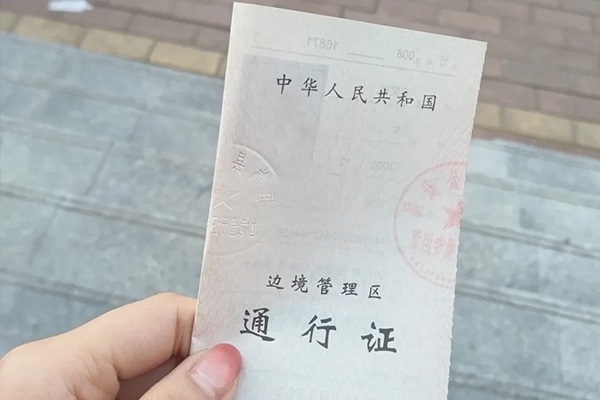
Planning a trip to this historic Tibetan town begins long before you pack your bags. Because it is located within the Tibet Autonomous Region, foreign travelers cannot simply buy a ticket and arrive independently. You must be part of an organized tour and obtain specific documentation. The most critical document is the Tibet Travel Permit, which your registered travel agency will apply for on your behalf using your Chinese visa and passport details. This process typically takes several weeks, so early preparation is mandatory.
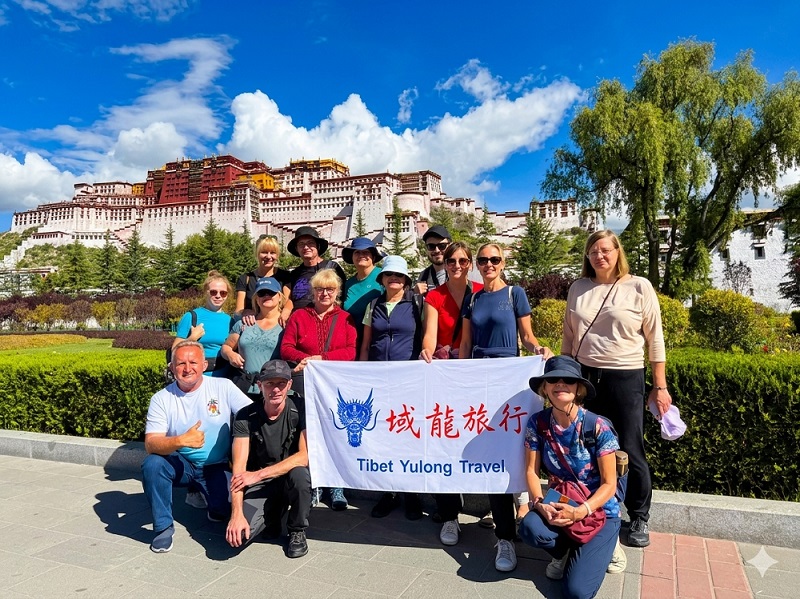
In addition to the standard regional permit, visiting certain areas outside the main town center might require an Alien Travel Permit. Your guide will handle these logistics, but knowing what to expect helps streamline the process. Independent backpacking is not permitted here; you must travel with a licensed guide and a designated vehicle. This regulation ensures both your safety at high altitudes and compliance with local tourism policies. Working with experienced operators like Tibet Yulong Travel can significantly simplify these bureaucratic hurdles, ensuring your paperwork is flawless before your departure date.
Getting to Gyantse: Transportation Options and Routes
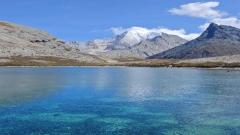
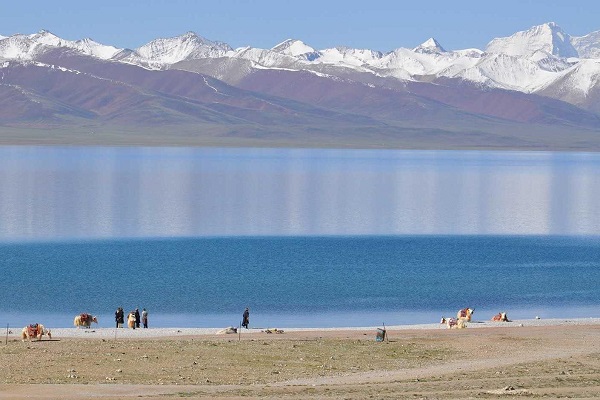
Reaching Gyantse involves overland travel, as there is no airport or train station directly in the town. Most visitors approach from Lhasa, making the journey a spectacular road trip in itself. The drive covers approximately 260 kilometers and usually takes five to seven hours, depending on road conditions and stops. The route often passes by the stunning Yamdrok Lake, one of Tibet’s three sacred lakes, offering brilliant turquoise views against barren mountainsides. Another highlight along the way is the Karola Glacier, where the ice sheet descends remarkably close to the highway.
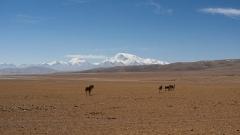
Alternatively, some travelers reach the town coming from Shigatse, which is much closer—about 90 kilometers away, taking roughly two hours by car. If you are trekking toward Mount Everest Base Camp, Gyantse frequently serves as a strategic stopover. Hiring a private vehicle through your tour operator is the standard method of transport. Public buses exist but are generally restricted for foreign tourists due to permit checkpoints along the highways. The roads are mostly paved and well-maintained, though mountain passes can occasionally present challenges during harsh weather.
Top Attractions in Gyantse You Cannot Miss
The architectural and historical wealth of this town is staggering, packing world-class heritage sites into a relatively small geographic area. Spending at least one full day exploring the main sights is highly recommended.
Palcho Monastery and the Kumbum Stupa
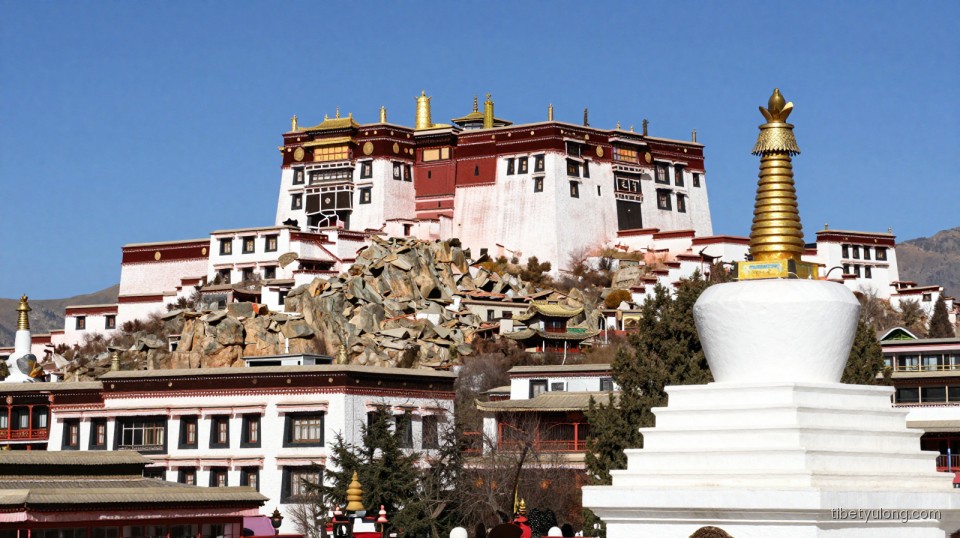
Palcho Monastery is the undisputed crown jewel of the region. What makes this complex unique in Tibet is its harmonious blending of the Sakya, Gelug, and Kadampa Buddhist sects under one roof. The monastery was built in the 15th century and has survived various historical upheavals with much of its original artwork intact.
Adjacent to the main prayer halls stands the Kumbum Stupa, a massive, multi-tiered structure that is the largest chorten in Tibet. It features nine levels, 77 chapels, and houses over 10,000 murals and statues. Climbing the narrow, dimly lit staircases inside the stupa reveals increasingly intricate mandalas and Buddhist iconography. Reaching the top provides a panoramic view of the entire valley and the surrounding mountains.
Gyantse Dzong Fortress
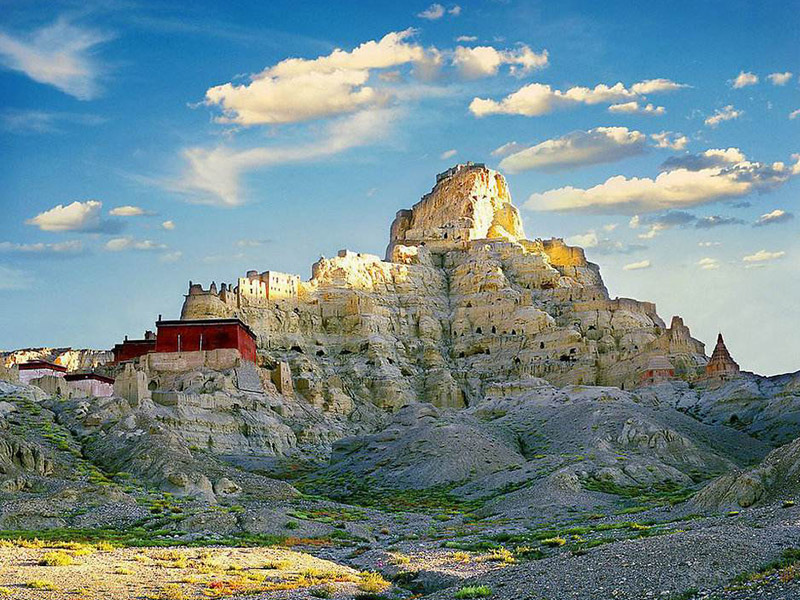
Looming dramatically over the town is the Gyantse Dzong, an imposing hilltop fortress dating back to the 14th century. It holds immense historical significance due to the fierce resistance local defenders mounted against British forces during the early 20th-century expedition. While the original structure suffered heavy damage, it has been restored and now houses a museum detailing the region’s history and the anti-imperialist struggle.
Hiking up to the fortress requires moderate physical effort, especially given the altitude, but the vantage point is unmatched. From the ramparts, you can look down upon the white-washed houses of the old town, the golden roofs of Palcho Monastery, and the vast agricultural plains stretching toward the Himalayas.
The Old Town Streets
Beyond the major monuments, wandering through the old streets offers a genuine cultural immersion. Unlike heavily commercialized tourist centers elsewhere, the alleys here still feel lived-in. You will see locals spinning prayer wheels, artisans working with silver and wool, and traditional Tibetan architecture featuring thick stone walls and flat roofs. The pace of life is slow, dictated by the sun and the rhythm of monastic prayers echoing from the nearby hills.
Best Time to Visit Gyantse for Ideal Weather
Timing your trip correctly dictates the quality of your experience. The most favorable window to explore Gyantse falls between April and October. During these months, daytime temperatures are comfortable, skies are predominantly clear, and the mountain roads are free of heavy snow blockages.
Spring (April to May) brings blooming wildflowers to the lower valleys and crisp air, making photography particularly rewarding. Summer (June to August) coincides with the monsoon season, meaning occasional afternoon showers, but the landscape turns vibrantly green. Autumn (September to October) is arguably the best period; the weather is stable, visibility is exceptional, and the harvest season adds a festive atmosphere to the farming communities.
Winter visits (November to March) are possible but challenging. Temperatures plummet well below freezing, many guesthouses close, and high mountain passes leading to the town may become impassable. However, winter travelers who brave the cold are rewarded with empty monasteries and incredibly clear views of the distant peaks.
Dealing with Altitude in Gyantse: Health and Acclimatization
Sitting at an elevation of approximately 3,977 meters (13,047 feet), altitude sickness is a serious consideration when learning how to visit Gyantse safely. Even if you have spent time in Lhasa (3,650 meters), the slight increase in elevation combined with physical exertion can trigger symptoms like headaches, nausea, shortness of breath, and fatigue.
Acclimatization is non-negotiable. Do not plan to arrive directly from sea level. Spend at least two to three days in Lhasa or Shigatse allowing your body to adjust before pushing higher. Once you arrive in town, take it extremely easy for the first 24 hours. Avoid running, heavy lifting, or rushing up the stairs at the Dzong fortress immediately upon arrival.
Stay hydrated by drinking plenty of water, but avoid alcohol and heavy meals during your first night. Many travelers find relief by drinking sweet tea, a local staple. Your guide should carry supplemental oxygen in the vehicle, and most hotels offer oxygen concentrators in their rooms. If symptoms worsen rapidly, descending to a lower elevation is the only definitive cure.
Where to Stay and What to Eat in Gyantse
Accommodation options have improved steadily over recent years, though they remain modest compared to major global cities. You will find a range of hotels catering specifically to tourists, offering heated rooms, en-suite bathrooms, and reliable hot water—a luxury at nearly 4,000 meters. It is advisable to book hotels that provide oxygen supply systems in the bedrooms to ensure a restful sleep. Guesthouses run by locals offer a more intimate experience, though amenities might be basic.
The culinary scene reflects traditional Tibetan staples alongside Sichuan influences brought by migrant workers. You must try momos (steamed dumplings filled with yak meat or vegetables), thukpa (hearty noodle soup perfect for cold evenings), and tsampa (roasted barley flour mixed with butter tea). Yak butter tea is an acquired taste for many foreigners—salty and rich—but it provides essential calories and warmth. Several restaurants near the main square serve simple Chinese dishes, noodles, and fried rice. Vegetarian options are available but limited, so communicating dietary restrictions clearly to your guide is important.
Practical Tips for Organizing Your Gyantse Tour
Navigating the logistics of a high-altitude journey requires attention to detail. Here are several practical considerations to ensure your trip runs smoothly:
- Pack in layers: Weather changes rapidly. Mornings are freezing, afternoons can be warm under the intense sun, and evenings drop quickly again. Bring thermal base layers, a windproof jacket, and a warm hat.
- Sun protection: The UV radiation at nearly 4,000 meters is extreme. High-SPF sunscreen, polarized sunglasses, and lip balm are daily necessities.
- Cash is king: While mobile payments dominate China’s cities, remote towns still rely heavily on cash. Withdraw sufficient Chinese Yuan in Lhasa before heading out, as ATMs can be unreliable or scarce.
- Respect local customs: Always walk clockwise around stupas and monasteries. Ask permission before photographing locals, and never touch religious artifacts without guidance.
- Choose the right agency: Partnering with knowledgeable professionals makes a significant difference. Agencies like Tibet Yulong Travel specialize in crafting itineraries that balance sightseeing with necessary rest periods, providing experienced drivers who know the mountain roads intimately.
Exploring this historic town is a profound journey into the heart of the Himalayas. By securing the correct permits, respecting the altitude, and embracing the slower pace of life, you unlock access to one of Tibet’s most culturally rich destinations. The towering fortresses, labyrinthine monasteries, and resilient local culture leave a lasting impression that transcends ordinary travel.