Planning a journey to the roof of the world requires careful preparation, especially when heading to the vast, high-altitude expanses of northern Tibet. Nagqu is not your typical tourist destination; it is a rugged, awe-inspiring region where traditional nomadic culture thrives against a backdrop of endless grasslands, towering snow-capped peaks, and pristine lakes. Because of its extreme elevation and remote location, understanding the right approach to visiting this area is crucial for a safe and enjoyable experience. Whether you are drawn by the famous horse racing festivals or the untouched natural beauty, having reliable information makes all the difference.
Before diving into the details, here is a quick summary of key points for your trip:
- Acclimatize properly to handle altitudes exceeding 4,500 meters.
- Pack layered clothing to manage extreme temperature shifts between day and night.
- Arrange reliable transportation well in advance due to limited public transit.
- Respect local Tibetan nomadic customs and religious traditions at all times.
- Visit during summer months for the best weather and cultural events.
Understanding Altitude and Health Preparation for Nagqu
One of the most critical pieces of Nagqu travel advice revolves around altitude sickness. The average elevation in this prefecture sits above 4,500 meters, making it one of the highest inhabited regions on Earth. At this altitude, oxygen levels are roughly half of what they are at sea level, which can cause acute mountain sickness (AMS) even for experienced travelers. Symptoms often include headaches, nausea, dizziness, shortness of breath, and fatigue.
To mitigate these risks, proper acclimatization is absolutely essential. Do not fly directly into Nagqu if possible. Instead, spend several days in Lhasa, which sits at a relatively lower altitude of about 3,650 meters, allowing your body to gradually adjust to the thinner air. During this acclimatization period, avoid strenuous exercise, heavy meals, and alcohol. Stay hydrated by drinking plenty of water, as dehydration exacerbates altitude symptoms.
Consulting a doctor before your trip is highly recommended. Many travelers carry medications like acetazolamide to help prevent AMS, but this should only be taken under medical guidance. Once you arrive in Nagqu, move slowly. Avoid rushing up stairs or walking too fast. If you begin to feel severe symptoms, such as confusion or difficulty breathing while resting, descend to a lower altitude immediately and seek medical attention. Carrying portable oxygen canisters is a common practice and provides peace of mind during long drives across the plateau.
Navigating the Weather and Best Time to Visit Nagqu
The climate in northern Tibet is characterized by harsh conditions for much of the year. Winters are incredibly cold, with temperatures frequently dropping well below freezing, accompanied by strong winds that make outdoor exploration nearly impossible. Therefore, timing your visit correctly is a fundamental aspect of successful travel planning here.
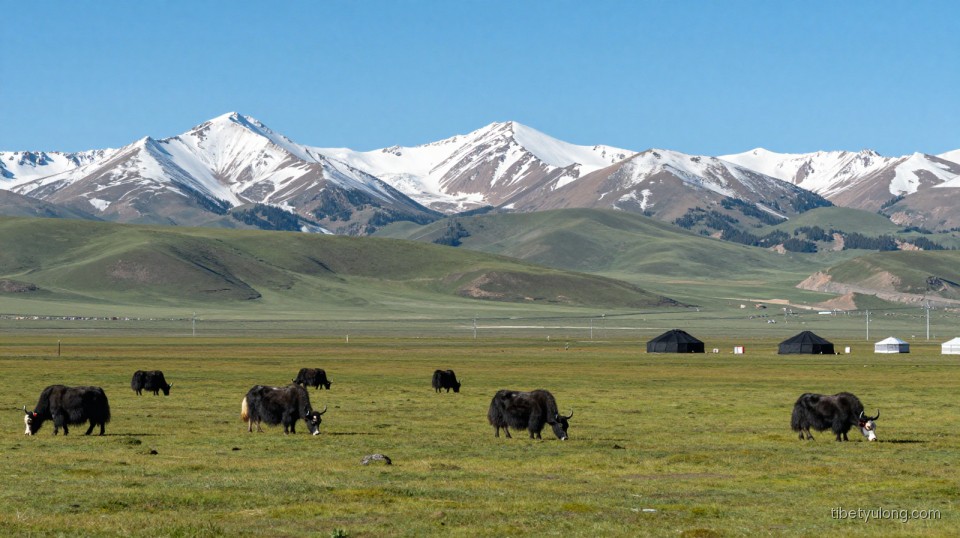
The best time to visit is during the summer months, specifically from June to August. During this window, daytime temperatures become relatively mild, ranging from 10°C to 20°C, and the vast grasslands turn a vibrant green, dotted with wildflowers. This is also the rainy season, so brief afternoon showers are common, but they rarely disrupt travel plans significantly. More importantly, summer hosts the most significant cultural events, including the renowned Horse Racing Festival, usually held in August, which draws nomads from across the region for days of equestrian competitions, singing, and dancing.
Regardless of when you visit, packing the right clothing is non-negotiable. The temperature difference between day and night can exceed 15 degrees Celsius. Layering is the best strategy. Bring thermal base layers, insulating mid-layers like fleece or down jackets, and a windproof, waterproof outer shell. Even in summer, nighttime temperatures can hover near freezing. Don’t forget UV protection; the sun at high altitudes is intensely strong. High-SPF sunscreen, polarized sunglasses, and wide-brimmed hats are daily necessities to prevent sunburn and snow blindness.
Transportation Options and Getting Around Nagqu
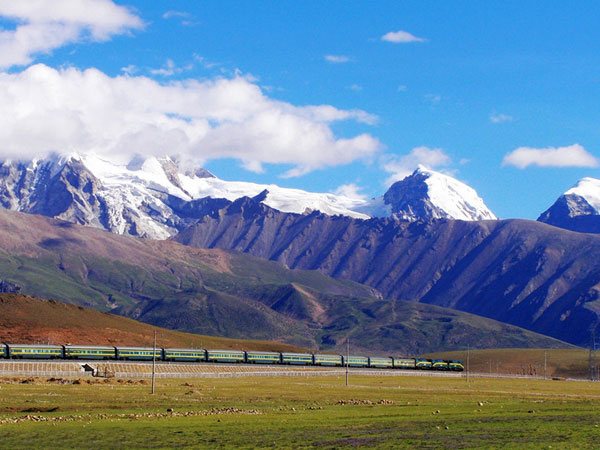
Reaching and navigating within this remote region requires logistical foresight. Public transportation options are extremely limited compared to major cities. The Qinghai-Tibet Railway passes through the area, with the main railway station serving as a vital lifeline connecting Lhasa to Xining and beyond. Taking the train is an excellent way to gradually ascend in altitude while enjoying spectacular views of the plateau.
However, once you step off the train, exploring the surrounding grasslands, lakes, and nomadic settlements necessitates hiring a private vehicle. Independent driving is generally discouraged unless you have extensive experience navigating unpaved, high-altitude roads and dealing with potential vehicle breakdowns far from repair shops. Hiring a local driver who knows the terrain, road conditions, and shortcuts is the safest and most efficient choice.
This is where professional support becomes invaluable. When organizing logistics, many travelers rely on specialized agencies to ensure smooth transit. For instance, working with operators like Tibet Yulong Travel can significantly simplify the process of securing reliable vehicles, experienced drivers, and necessary permits. Having a trusted team managing your ground transportation means you can focus entirely on the scenery rather than worrying about getting stranded on a remote dirt road. Ensure your vehicle is equipped with spare tires, extra fuel, and emergency supplies, as gas stations can be spaced hundreds of kilometers apart in the deep hinterlands.
Cultural Etiquette and Respecting Local Traditions in Nagqu
Northern Tibet is the heartland of traditional nomadic culture. The people here live closely tied to their yaks, sheep, and the rhythms of the harsh environment. Showing respect for their way of life is not just polite; it is essential for fostering positive interactions and ensuring a welcoming experience.
When approaching a nomad tent or interacting with locals, always ask for permission before taking photographs. While many younger Tibetans are accustomed to tourists, older generations may find unsolicited photography intrusive. If invited into a home, accept offered tea or food graciously. It is customary to receive items, especially cups, with both hands as a sign of respect. Avoid stepping over thresholds or pointing your feet toward altars or elders.
Religious sites, mani stones, and prayer flags are scattered throughout the landscape. Always walk clockwise around stupas, monasteries, and mani stone piles. Never touch or remove prayer flags, and do not climb on sacred structures. Dress modestly when visiting any religious site, covering shoulders and knees. Understanding these basic tenets of Tibetan Buddhism and local customs demonstrates cultural sensitivity and enriches your overall journey.
Must-See Attractions and Natural Wonders in Nagqu
While the entire region feels like an open-air museum of natural beauty, certain spots stand out. Namtso Lake, straddling the border between Lhasa and Nagqu, is one of the highest large saltwater lakes in the world. Its deep blue waters reflecting the snow-capped Nyainqentanglha mountains create one of Tibet’s most iconic vistas. Due to its elevation of over 4,700 meters, spending extended time here requires careful monitoring of your physical condition.
Further north, the Qiangtang Nature Reserve represents one of the largest uninhabited wilderness areas on the planet. While deep penetration into the core reserve is restricted to protect fragile ecosystems, the buffer zones offer chances to spot incredible wildlife, including Tibetan antelopes, wild yaks, kiang (Tibetan wild asses), and occasionally snow leopards. The sheer scale of the empty horizon here is humbling.
Additionally, the Skeleton Wall at Dargo Monastery offers a stark, fascinating glimpse into historical sky burial practices, though visitors should approach this site with utmost solemnity and respect. The diverse landscapes, from geothermal springs in some valleys to vast permafrost plains, ensure that every day of driving brings a completely new visual experience.
Practical Packing List and Daily Survival Tips
Beyond clothing, your daypack should contain specific items tailored to the high-altitude environment. Lip balm and heavy moisturizer are critical, as the air is exceptionally dry and will quickly chap skin. Carry high-energy snacks like nuts, chocolate, and dried fruits, as restaurants are sparse outside the main town center. Meals in remote areas primarily consist of yak meat, tsampa (roasted barley flour), and butter tea. If you have dietary restrictions, bringing your own supplementary food is wise.
Power banks are essential. Electricity can be unreliable in remote guesthouses, and cold temperatures drain phone batteries rapidly. Keep electronics close to your body heat when outdoors. Finally, carry a basic first-aid kit including painkillers, bandages, stomach medication, and personal prescriptions. Pharmacies are virtually non-existent once you leave the main administrative centers.
Traveling to the northern reaches of the Tibetan Plateau is an adventure that demands respect for nature and preparation for the unexpected. By following sound advice regarding health, weather, transport, and culture, you unlock access to one of the most profound and visually stunning destinations on Earth. Partnering with knowledgeable services like Tibet Yulong Travel ensures that the complex logistics of permits, routes, and accommodations are handled professionally, leaving you free to immerse yourself in the raw, untamed beauty of the high plateau. Every moment spent traversing these ancient grasslands is a testament to the resilience of nature and the enduring spirit of the nomadic people who call this extraordinary place home.