Tibet is often called the Roof of the World, a place where towering peaks meet vast plateaus and ancient monasteries cling to rocky cliffsides. For outdoor enthusiasts, trekking in Tibet offers an experience unlike anywhere else on the planet. However, the extreme altitude and harsh climate mean that timing your trip correctly is essential for both safety and enjoyment. Choosing the right season can make the difference between a grueling ordeal and a life-changing adventure.
Before diving into the details, here are the key takeaways regarding the best time for trekking in Tibet:
- Autumn (September to November) offers stable weather, clear skies, and excellent visibility.
- Spring (April to May) brings blooming landscapes and moderate temperatures before the monsoon arrives.
- Summer (June to August) is warmer but wet, making some remote trails muddy and challenging.
- Winter (December to March) is extremely cold and generally unsuitable for most high-altitude treks.
- Always factor in acclimatization time regardless of when you decide to go.
Why Timing Matters for Trekking in Tibet
The Tibetan Plateau sits at an average elevation of over 4,500 meters, creating a unique high-altitude environment where weather patterns shift dramatically throughout the year. Unlike lower-elevation destinations where you might get away with visiting during the shoulder seasons without much planning, trekking in Tibet requires careful consideration of temperature drops, oxygen levels, and precipitation.
During certain months, heavy snowfall can block mountain passes entirely, cutting off access to remote valleys. In other seasons, intense solar radiation combined with sudden afternoon thunderstorms can create hazardous conditions for hikers who are unprepared. Understanding these seasonal variations is not just about comfort; it is a fundamental aspect of risk management when exploring one of the most rugged terrains on Earth.
Furthermore, the availability of local guides, pack animals like yaks or horses, and basic teahouse accommodations fluctuates depending on the time of year. Planning your trek during the optimal window ensures you have access to necessary logistical support, which is vital for navigating the vast, sparsely populated landscapes of the plateau.
Autumn: The Prime Season for Trekking in Tibet
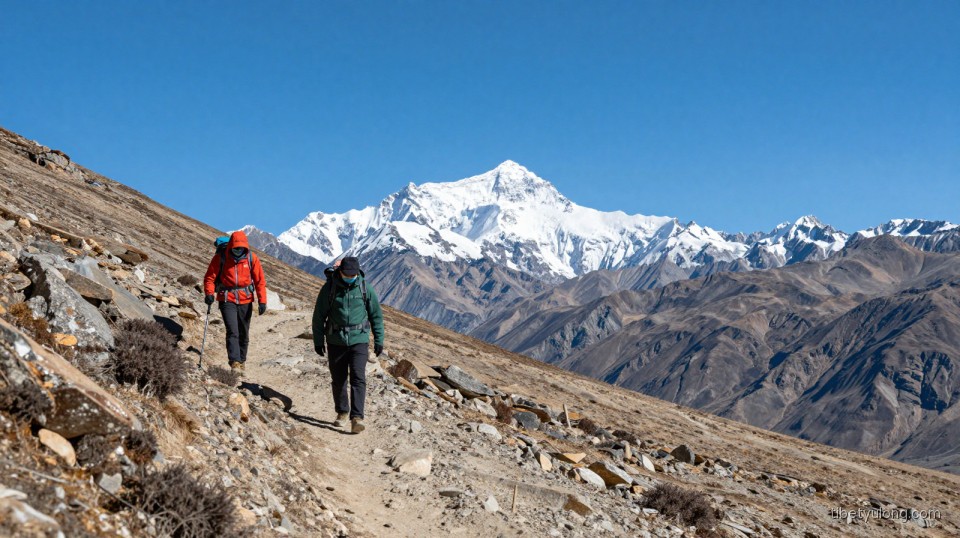
If you ask experienced mountaineers and seasoned travelers when the absolute best time for trekking in Tibet is, the majority will point to autumn. Spanning from September through November, this season provides the most reliable and comfortable conditions for hiking across the plateau.
After the summer monsoon rains subside in late August, the atmosphere clears out significantly. This results in crisp, dry air and unparalleled visibility. If your goal is to catch unobstructed views of Mount Everest, Cho Oyu, or Shishapangma, autumn is your best bet. The skies remain a deep, piercing blue for days on end, providing perfect conditions for photography and sightseeing.
Temperatures during the day are pleasantly cool, typically ranging from 10°C to 15°C at lower elevations, though they drop sharply once the sun sets. While nights can be freezing, especially above 5,000 meters, the lack of wind and precipitation makes camping much more manageable than in other seasons.
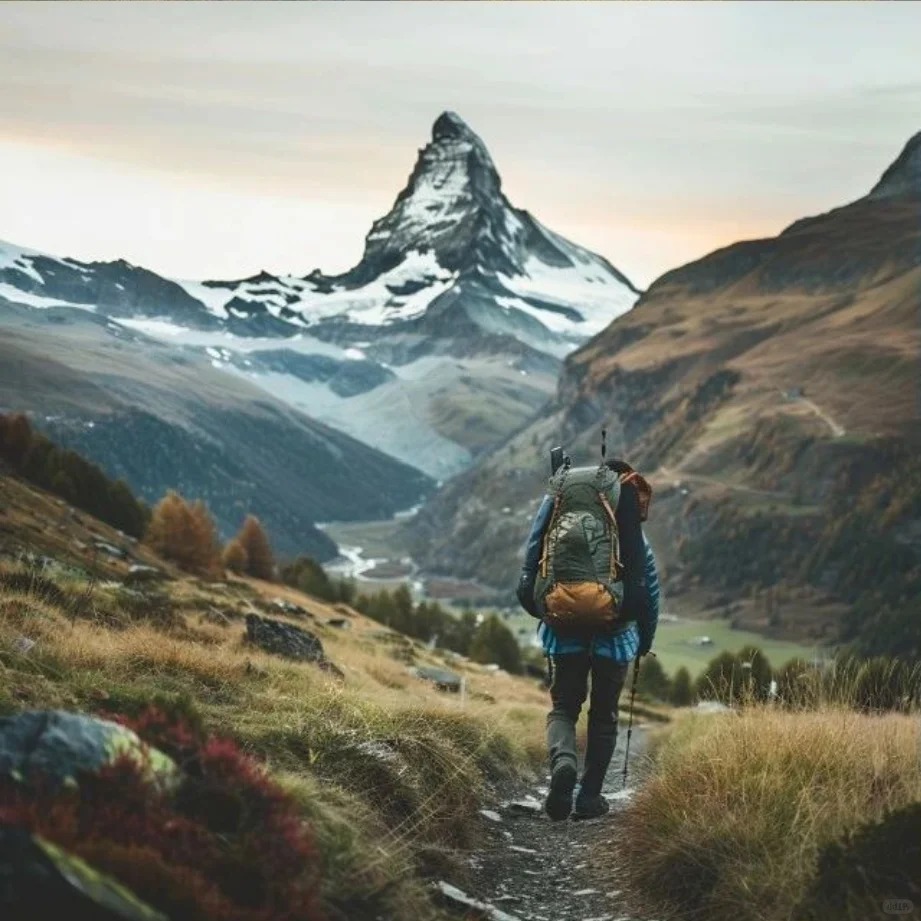
Popular routes like the Ganden to Samye trek or the Mount Kailash kora are highly recommended during this period. Trails are dry, river crossings are safer due to lower water levels, and the golden hues of the changing alpine vegetation add a stunning visual element to the journey. Keep in mind that because autumn is the peak season, popular trails can see more foot traffic, so booking logistics well in advance is wise.
Spring: A Beautiful Window for Trekking in Tibet
Spring, particularly April and May, represents another excellent window for trekking in Tibet. As the harsh winter cold begins to retreat, the landscape slowly awakens. Temperatures start to rise, making daytime hiking comfortable, while the threat of heavy snowfall diminishes significantly compared to the winter months.
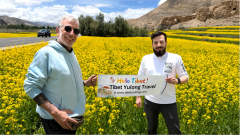
One of the greatest advantages of spring is the flora. Lower valleys and sheltered areas begin to bloom with rhododendrons, wildflowers, and alpine grasses, painting the otherwise stark landscape with vibrant colors. The melting snow also feeds rivers and lakes, making them appear fuller and more dynamic.
However, spring weather can be somewhat transitional. While mornings are usually clear and calm, cloud cover tends to build up by the afternoon as the warming earth creates thermal updrafts. Occasional late-season snowstorms are still possible at higher altitudes, so trekkers must carry appropriate cold-weather gear even if the days feel warm.
The Everest Base Camp trek via the eastern approach or hikes around Namtso Lake are fantastic options in spring. You will encounter fewer crowds than in autumn, allowing for a more solitary and peaceful connection with the environment. Just ensure you monitor weather forecasts closely, as the transition toward the summer monsoon can sometimes bring early rain showers in late May.
Summer Challenges: Monsoon Season and High Altitude
Summer, from June to August, is generally considered the least ideal time for trekking in Tibet, primarily due to the arrival of the Indian monsoon. While the Himalayas block a significant portion of the moisture, the Tibetan Plateau still receives considerable rainfall during these months, mostly concentrated in the afternoons and evenings.
The constant precipitation turns dirt trails into muddy quagmires, making walking exhausting and increasing the risk of slips and falls. River levels swell rapidly, turning previously easy stream crossings into dangerous, fast-flowing torrents. Leeches and insects also become more prevalent in the lower, forested valleys of eastern Tibet.
Despite these challenges, summer does have a few redeeming qualities. It is the warmest time of year, meaning nighttime temperatures at base camps are less punishing. The landscape is at its greenest, and nomadic herders move their yak and sheep flocks to high summer pastures, offering unique cultural encounters for those willing to brave the elements.
If you must trek during summer, focus on regions in western or northern Tibet, such as the Changtang area, which lie in the rain shadow and receive significantly less precipitation than the southern or eastern parts of the plateau. Waterproof gear, sturdy boots with excellent traction, and flexible itineraries are absolutely mandatory.
Winter Realities: Extreme Cold and Limited Access
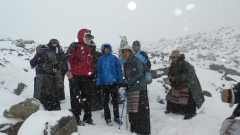
Winter in Tibet, stretching from December to March, is characterized by brutal cold, fierce winds, and heavy snowfall. For the vast majority of travelers, this is not a viable time for trekking in Tibet. Daytime temperatures frequently hover well below freezing, and nighttime lows can plummet to -20°C or colder, especially at high elevations.
Snow accumulation routinely blocks major mountain passes, rendering many classic trekking routes completely inaccessible. Teahouses close down for the season, and finding local guides or pack animals becomes exceedingly difficult. The thin winter air also feels sharper, exacerbating the effects of altitude sickness for those who are not properly acclimatized.
That said, winter does attract a very specific type of adventurer. Hardened mountaineers preparing for major expeditions sometimes use the winter months for training. Additionally, lower-elevation cultural walks around Lhasa or short day hikes near monasteries can still be undertaken if you dress in heavy layers. But for multi-day, high-altitude wilderness trekking, winter should generally be avoided unless you possess extensive polar or alpine expedition experience.
Essential Preparation Tips for Your Tibet Trek
Regardless of which season you choose, proper preparation is non-negotiable. The first and most critical step is acclimatization. Arriving in Lhasa or another gateway city and spending at least three to four days resting before starting any strenuous physical activity allows your body to adjust to the reduced oxygen levels. Rushing into a trek immediately upon arrival is a primary cause of acute mountain sickness.
Packing appropriately means layering. The temperature differential between direct sunlight and shade, or between day and night, can exceed 20 degrees Celsius. Bring moisture-wicking base layers, insulating mid-layers like fleece or down, and a high-quality waterproof and windproof outer shell. Sturdy, broken-in hiking boots are essential, as the terrain is notoriously rocky and uneven.
Sun protection is another crucial factor often underestimated by first-time visitors. At high altitudes, the atmosphere filters far less ultraviolet radiation. High-SPF sunscreen, UV-blocking sunglasses, wide-brimmed hats, and lip balm with sun protection should be applied generously and frequently throughout the day.
Hydration and nutrition also require attention. The dry air accelerates dehydration, so aim to drink at least three to four liters of water daily. Carry high-calorie snacks like nuts, chocolate, and energy bars, as your body burns significantly more calories working at altitude than it does at sea level.
Navigating Permits and Logistics for Trekking in Tibet
Foreign travelers cannot simply arrive in Tibet and start hiking. Independent travel is heavily restricted, and all foreign visitors must obtain a Tibet Travel Permit, which is arranged through a registered travel agency. For trekking in specific protected or border areas, additional permits such as the Alien’s Travel Permit or Military Border Pass may be required.
Because of these regulations, organizing your trek through a reputable local operator is not just recommended; it is legally required. Agencies handle the complex permit applications, arrange transportation, hire licensed local guides, and organize pack animals or porters if needed.
Working with experienced professionals like Tibet Yulong Travel can significantly streamline this process. They possess deep local knowledge of trail conditions, seasonal weather shifts, and the bureaucratic requirements necessary to ensure your trek proceeds smoothly and legally. Having a reliable team managing the logistics allows you to focus entirely on the physical challenge and the breathtaking scenery, rather than worrying about paperwork or route-finding in remote areas.
Choosing the best time for trekking in Tibet ultimately depends on your tolerance for cold, your desire for clear views, and your flexibility with schedules. By targeting the autumn or spring months, preparing your body for the altitude, and securing the right logistical support, you set yourself up for one of the most rewarding trekking experiences available anywhere in the world. The sheer scale of the Tibetan Plateau, combined with its profound spiritual heritage, guarantees that every step taken along its ancient trails leaves a lasting impression.