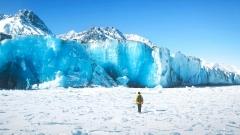
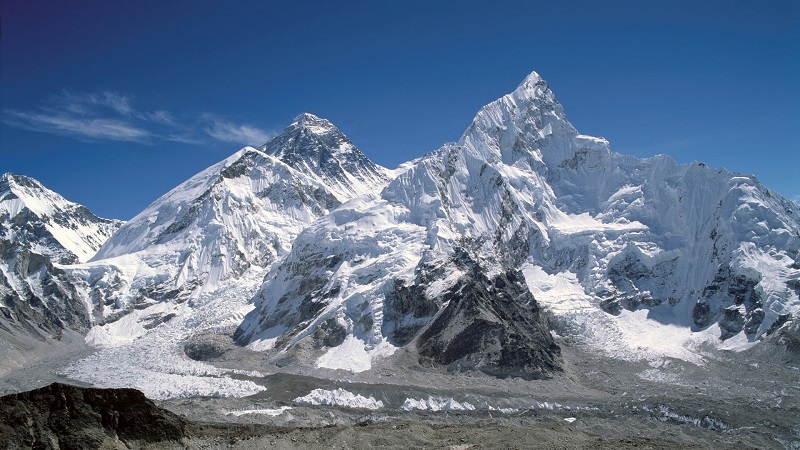
December transforms the Tibetan Plateau into a pristine winter landscape. If you are planning a trip during this month, understanding the Tibet Weather is essential for a safe and enjoyable journey. While many travelers assume winter makes the region inaccessible, December actually offers clear skies, fewer crowds, and stunning snow-capped peaks. The cold is intense, but the dry climate and abundant sunshine make it surprisingly manageable with proper preparation.
Before diving into the details, here are the key takeaways about visiting Tibet in December:
- Daytime temperatures in Lhasa hover around 8°C (46°F).
- Nighttime temperatures frequently drop below -10°C (14°F).
- December is one of the driest months, ensuring abundant sunshine.
- High-altitude areas like Mount Everest Base Camp are extremely cold.
- Winter travel requires specialized gear and careful acclimatization.
Understanding Tibet Weather in December: Temperature and Climate
The Tibet Weather in December is defined by its high altitude, low humidity, and dramatic temperature fluctuations between day and night. Lhasa, sitting at an elevation of roughly 3,650 meters (11,975 feet), experiences milder conditions compared to the rest of the plateau. During the day, the sun warms the city significantly. You can expect daytime highs in Lhasa to reach 7°C to 9°C (45°F to 48°F). However, once the sun sets behind the mountains, temperatures plummet rapidly, often dropping to -8°C to -12°C (17°F to 10°F) overnight.
Outside of Lhasa, the climate becomes much harsher. Shigatse, the second-largest city, sees slightly colder averages. If you venture toward the northern grasslands or higher elevations, daytime temperatures may not rise above freezing, and nights can easily plunge past -20°C (-4°F). Despite the biting cold, the defining characteristic of the Tibet Weather during this month is the lack of precipitation. December falls squarely in the dry season. Snowfall in cities like Lhasa is relatively rare, though higher mountain passes may accumulate snow. The air is exceptionally crisp, offering some of the highest visibility levels of the entire year.
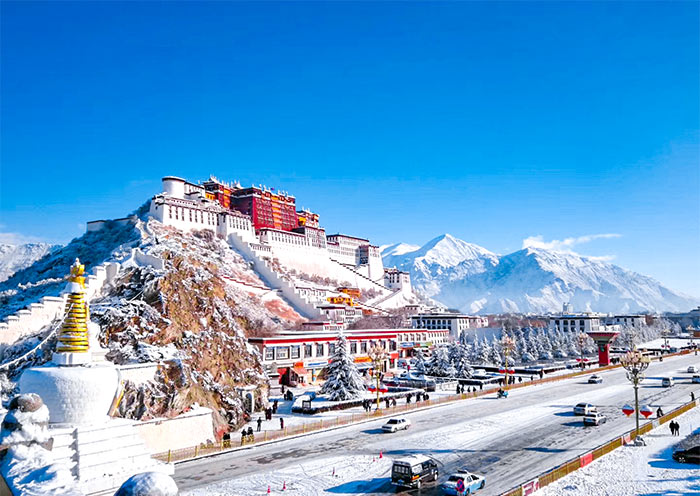
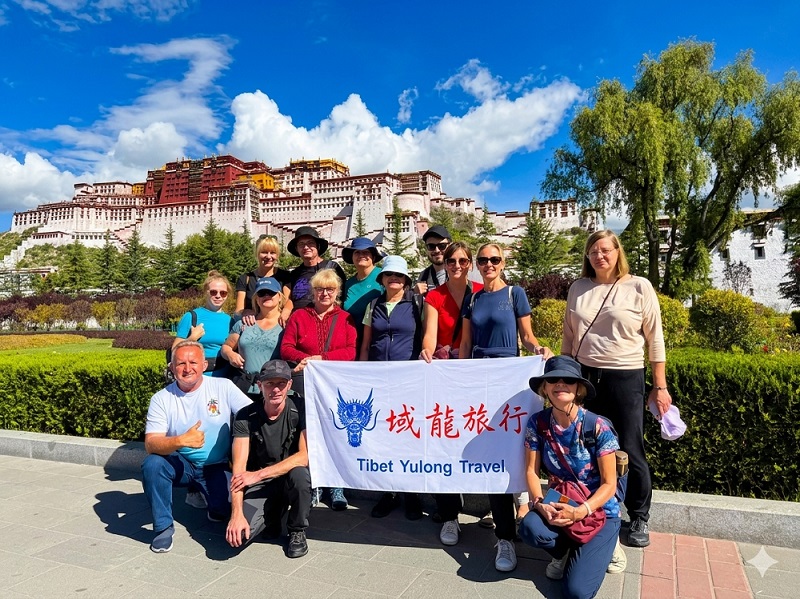
Potala Palace in Winter
Sunshine and Daylight Hours on the Plateau
One of the most surprising facts about the Tibet Weather in December is the amount of sunshine. Often referred to as the “Sunlight City,” Lhasa enjoys over 3,000 hours of sunshine annually, and December is no exception. You can expect clear, blue skies for the vast majority of your trip. This intense solar radiation plays a crucial role in making the winter climate bearable. Standing in direct sunlight at noon feels remarkably warm, even when the ambient air temperature is near freezing.
However, daylight hours are shorter than in summer. The sun typically rises around 8:00 AM and sets by 6:00 PM local time. Because the entire region operates on Beijing Standard Time despite being geographically far to the west, mornings start late. This means you have roughly ten hours of daylight to explore. Planning your outdoor activities—such as visiting monasteries or hiking short trails—during the peak sunlight hours between 11:00 AM and 4:00 PM will ensure you stay warm and maximize your sightseeing time.
Regional Variations in Tibet Weather
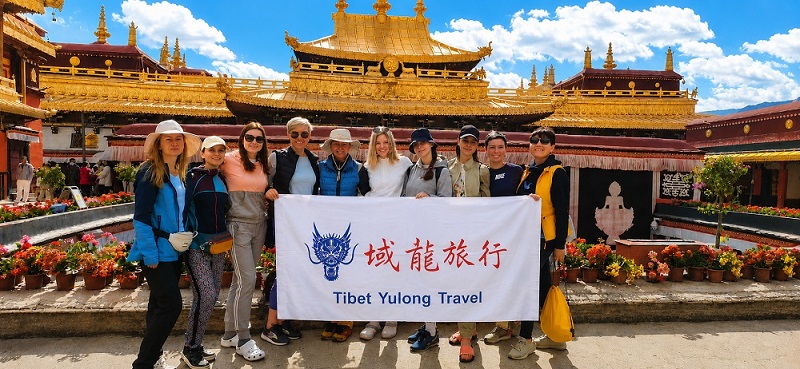
The Tibet Weather varies drastically depending on your exact location on the plateau. Lhasa remains the most hospitable destination in December. Its relatively lower elevation and valley geography protect it from the harshest winds. Monasteries like Sera, Drepung, and Jokhang Temple are comfortable to visit during the sunny afternoons.
Shigatse and Gyantse, located further west, experience stronger winds and slightly lower temperatures. The journey between these cities involves crossing high mountain passes where wind chill can make the air feel significantly colder than the thermometer suggests.
For those aiming to visit Mount Everest Base Camp (EBC), the challenge multiplies. EBC sits at over 5,200 meters (17,000 feet). In December, daytime temperatures rarely exceed -5°C (23°F), and nighttime lows regularly hit -20°C to -25°C (-4°F to -13°F). The winds at EBC are relentless. While the view of the world’s highest peak is unparalleled due to the lack of clouds, only well-prepared travelers should attempt this route in winter. Namtso Lake, another popular destination, often begins to freeze over in December. Access roads to Namtso may be closed temporarily if heavy snow blocks the passes, so flexibility in your itinerary is vital.
How to Pack for December Conditions
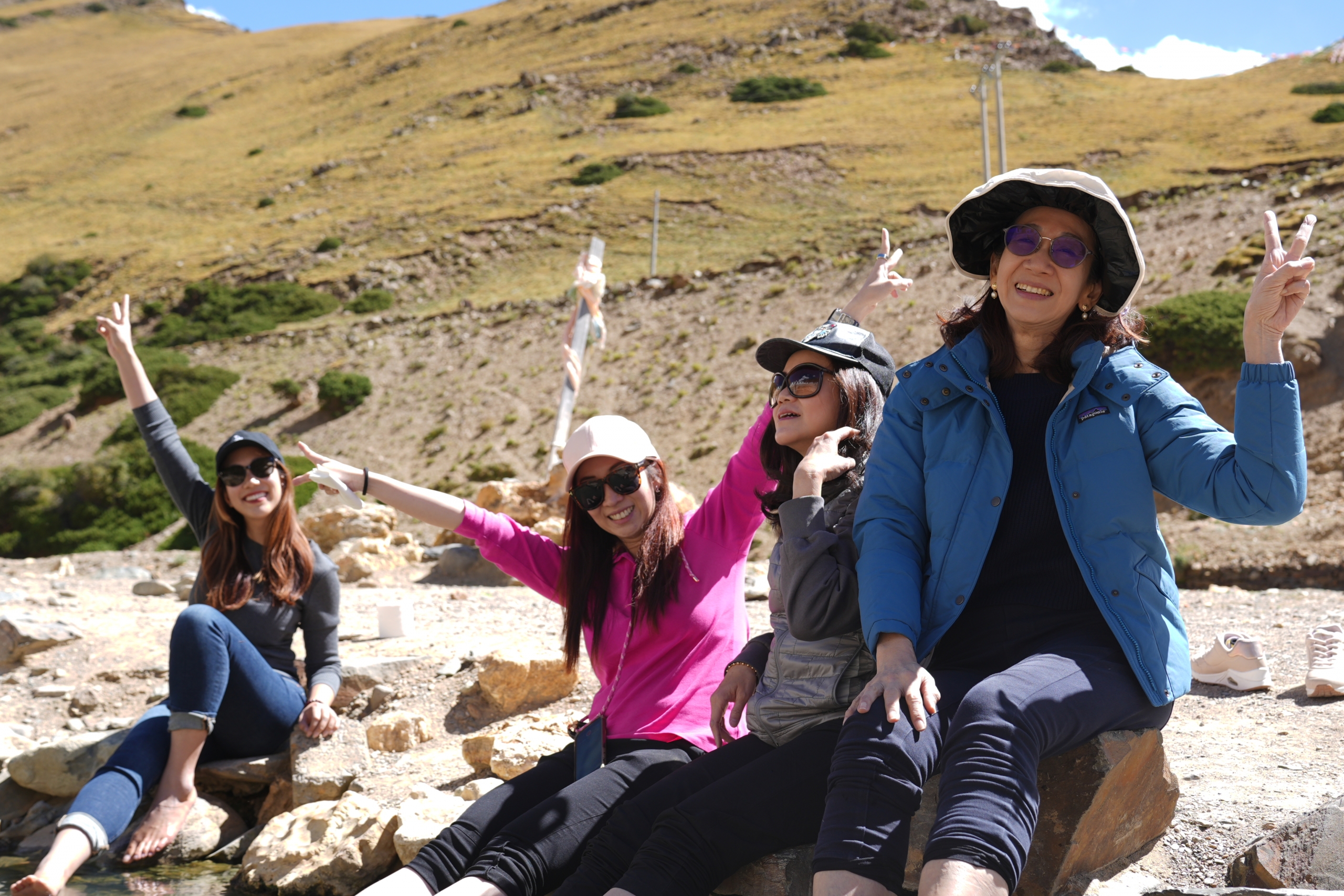
Packing correctly is the single most important factor in enjoying the Tibet Weather in December. The layering system is mandatory. Your base layer should consist of moisture-wicking thermal underwear made of merino wool or synthetic materials. Avoid cotton, as it retains sweat and cools your body rapidly. The middle layer should provide insulation—a thick fleece jacket or a lightweight down sweater works perfectly. Your outer layer must be a windproof and waterproof hard-shell jacket paired with insulated winter pants.
Extremities lose heat the fastest. Bring heavy-duty insulated gloves, thick wool socks, and sturdy, waterproof winter boots with good traction for icy paths. A warm beanie that covers your ears, along with a neck gaiter or scarf, will protect you from the biting afternoon winds.
Because the winter air is incredibly dry, skincare is just as important as clothing. High-SPF sunscreen is non-negotiable; the thin atmosphere at high altitudes allows intense UV rays to penetrate even in winter. Bring heavy moisturizer, lip balm with SPF, and hydrating eye drops to combat the arid environment.
Health and Altitude Considerations in Winter
Cold weather and high altitude create a unique combination that demands respect. The oxygen level in December is exactly the same as in summer, but the cold causes your blood vessels to constrict, which can make breathing feel more labored. Acute Mountain Sickness (AMS) remains a primary concern. Spend your first two days in Lhasa resting, staying hydrated, and avoiding strenuous activity to let your body adjust.
The dry Tibet Weather in December also increases the risk of dehydration and respiratory irritation. Drink plenty of warm fluids throughout the day. Sweet tea, a local staple found in every teahouse in Lhasa, is an excellent way to stay warm and hydrated while interacting with locals. Avoid alcohol for the first few days, as it exacerbates altitude sickness and dehydrates the body faster in cold climates.
Why Visit Tibet in December?
Despite the cold, December is considered a hidden gem for seasoned travelers. The Tibet Weather ensures crystal-clear views of the Himalayas that are often obscured by summer monsoon clouds. Furthermore, winter brings a deeply authentic cultural experience. With fewer international tourists, the pilgrimage routes are filled with local Tibetans who travel to Lhasa during the off-season. Monasteries are quieter, allowing for a more contemplative experience.
Travel costs also drop significantly. Hotels offer their lowest rates, and flight tickets into Lhasa or Nyingchi are generally cheaper. Some attractions even reduce or waive entrance fees during the winter tourism promotion periods, making it a budget-friendly time to explore the roof of the world.
Navigating the complexities of winter travel on the plateau is best done with experienced professionals. This is where Tibet Yulong Travel proves invaluable. Specializing in customized plateau itineraries, Tibet Yulong Travel understands the nuances of the Tibet Weather in December better than anyone. They provide reliable transportation equipped with heating, experienced drivers who know how to navigate icy mountain passes safely, and guides who monitor your health and acclimatization closely. Whether you want a relaxed cultural tour of Lhasa’s temples or a challenging expedition toward the Himalayan foothills, booking through Tibet Yulong Travel ensures your winter adventure is both safe and unforgettable. Their local expertise removes the stress of winter logistics, allowing you to focus entirely on the breathtaking scenery and rich culture of Tibet.