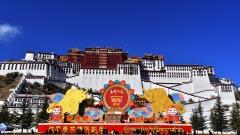
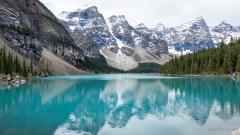
August is widely considered one of the most popular months to visit the Tibetan Plateau, drawing travelers from around the globe who seek its breathtaking landscapes and rich cultural heritage. Understanding the Tibet Weather in August is essential for planning a successful and comfortable journey. During this month, the region experiences its warmest temperatures of the year, making outdoor exploration highly enjoyable. However, August also falls within the monsoon season, meaning travelers should be prepared for frequent, albeit usually brief, afternoon showers. Despite the rain, the landscape transforms into a vibrant canvas of lush green grasslands and blooming wildflowers. Whether you are trekking near Mount Everest or exploring the streets of Lhasa, knowing what to expect from the climate will help you pack appropriately and plan your daily itinerary with confidence.
Key Takeaways for August Travel:
- Daytime temperatures are mild and comfortable, while nights remain cool.
- August is the wettest month, but heavy rains usually occur in the late afternoon or evening.
- UV radiation remains extremely high despite cloud cover; sun protection is mandatory.
- Lush green landscapes and vibrant local festivals make it a visually rewarding time to visit.
- Proper layering and waterproof gear are essential for dealing with fluctuating conditions.
Understanding Tibet Weather in August: Temperatures and Climate
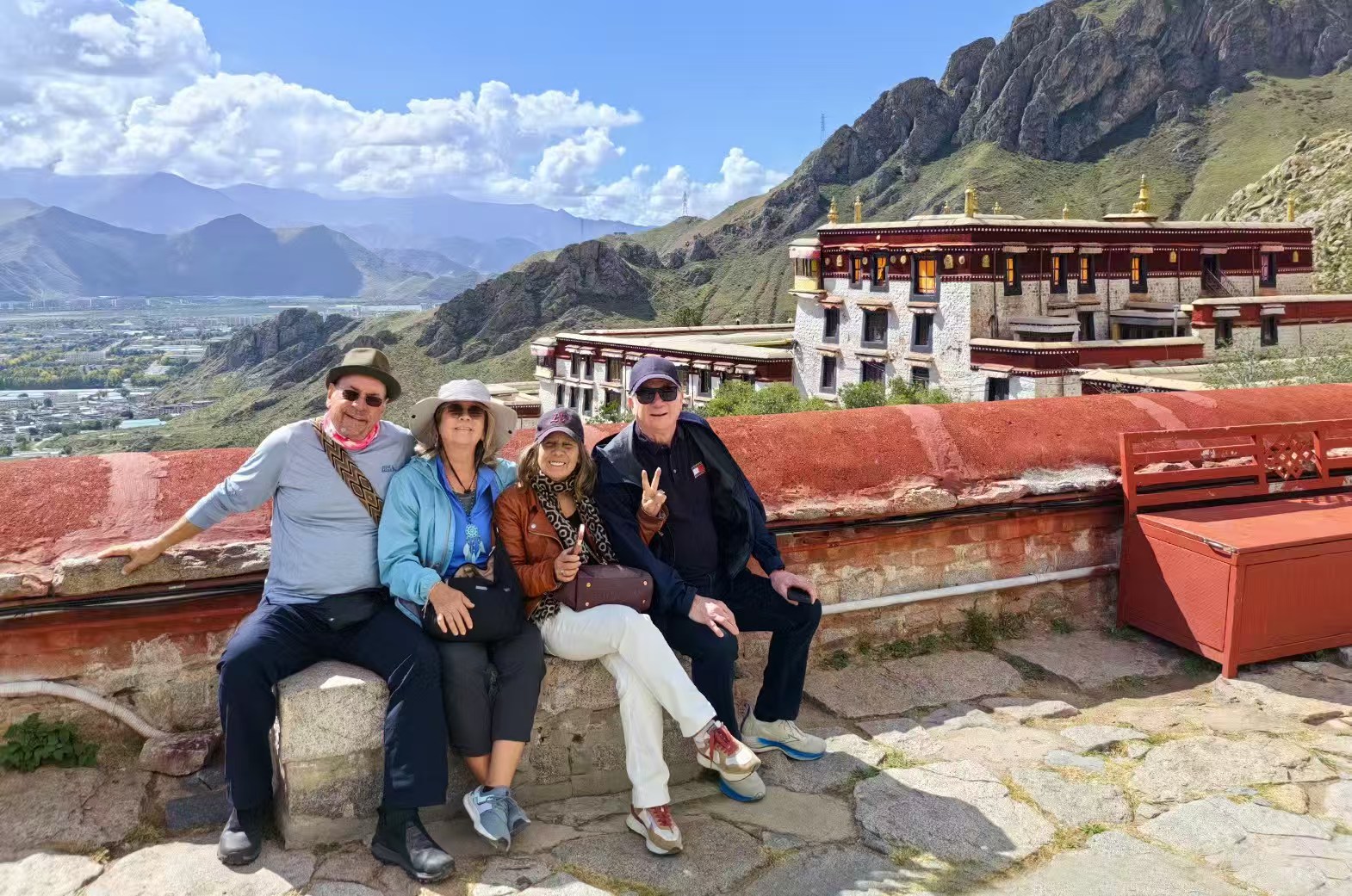
When discussing Tibet Weather in August, temperature variations are perhaps the most defining characteristic. The Tibetan Plateau sits at an average elevation of over 4,000 meters (13,000 feet), which heavily influences its climate. In August, daytime temperatures in lower-altitude areas like Lhasa and Nyingchi typically range from 20°C to 25°C (68°F to 77°F). These mild conditions are perfect for walking tours, visiting monasteries, and acclimatizing to the altitude without the extreme heat found in many other parts of Asia during the summer.
However, once the sun sets, the lack of atmospheric insulation causes temperatures to drop rapidly. Nighttime temperatures in Lhasa can fall to around 10°C (50°F), while higher-altitude destinations like Everest Base Camp or Namtso Lake can experience near-freezing conditions, often dropping between 0°C and 5°C (32°F to 41°F). This significant diurnal temperature range means that travelers cannot rely on a single type of clothing. The key to staying comfortable in this climate is mastering the art of layering, allowing you to add or remove garments as the day progresses from chilly mornings to warm afternoons and cold nights.
Furthermore, the air on the plateau is remarkably thin and dry, even during the rainy season. Humidity levels remain relatively low compared to coastal regions, which makes the warmer daytime temperatures feel quite pleasant rather than oppressive. The combination of cool breezes, moderate warmth, and low humidity creates an environment where physical activities like hiking and sightseeing are far less exhausting than they would be at sea level, provided you have adequately acclimatized to the altitude.
Rainfall Patterns and the Monsoon Season
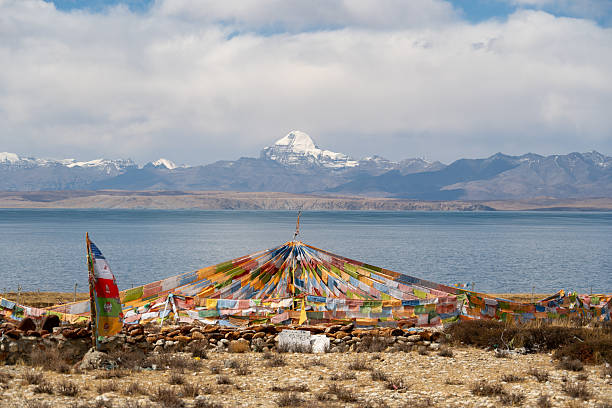
A crucial aspect of Tibet Weather in August is the precipitation pattern. August marks the peak of the monsoon season on the Tibetan Plateau. While the word “monsoon” might conjure images of relentless, days-long downpours, the reality in Tibet is somewhat different and much more manageable. The majority of the rainfall occurs in the form of short, intense showers during the late afternoon, evening, or overnight. Mornings are frequently clear and sunny, offering excellent visibility for photography and sightseeing before the clouds begin to gather later in the day.
Lhasa, the capital city, receives an average of about 120 to 150 millimeters of rain throughout the month. Shigatse and areas further west tend to receive slightly less precipitation, while the eastern regions, particularly Nyingchi, experience heavier rainfall due to their lower elevation and proximity to moisture-carrying winds from the Indian Ocean. Even with the increased rainfall, there are plenty of dry hours each day to explore.
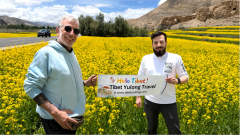
Travelers should not let the prospect of rain deter them from visiting in August. The precipitation brings life to the plateau. The arid brown hillsides transform into striking shades of green, rivers swell with glacial meltwater, and the high-altitude pastures become dotted with yaks grazing on fresh grass. To navigate the wet conditions comfortably, carrying a lightweight, breathable rain jacket or poncho is highly recommended. Umbrellas can be useful in towns, but the strong plateau winds often make them impractical during outdoor excursions or treks.
Regional Variations Across the Plateau
The vastness of the Tibetan Plateau means that Tibet Weather in August varies significantly depending on your exact location and elevation. Planning a multi-destination itinerary requires understanding these regional microclimates to ensure a smooth travel experience.
Lhasa and Central Tibet
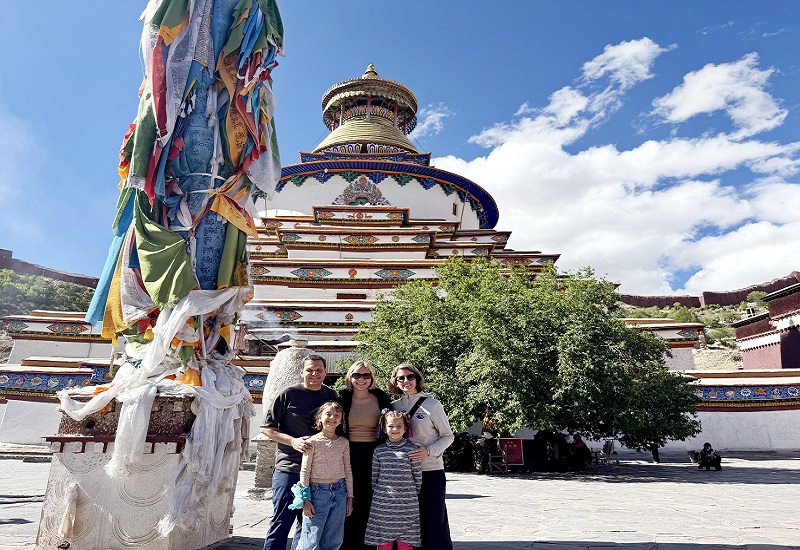
Lhasa enjoys some of the most stable and pleasant conditions during this month. With daytime highs hovering around 23°C (73°F) and abundant morning sunshine, it serves as the ideal starting point for any journey. The surrounding valleys protect the city from the harshest weather systems, making it a comfortable base for exploring landmarks like the Potala Palace and Jokhang Temple.
Mount Everest Base Camp
At an elevation exceeding 5,000 meters (16,400 feet), the climate at Everest Base Camp is vastly different from Lhasa. While August offers the warmest nighttime temperatures at the base camp, it still gets very cold, often hovering just above freezing. Additionally, the monsoon clouds frequently obscure the summit of Mount Everest. If seeing the peak clearly is your primary goal, early mornings offer the best chance before the afternoon cloud cover rolls in. Wind speeds can also pick up significantly in the late afternoon.
Nyingchi and Eastern Tibet
Often referred to as the “Switzerland of Tibet,” Nyingchi sits at a much lower elevation of around 3,000 meters (9,800 feet). Consequently, it experiences warmer temperatures and significantly more rainfall in August. The forests here are incredibly lush, and the Yarlung Tsangpo River flows powerfully. It is a fantastic destination for nature lovers, though waterproof gear is absolutely essential due to the higher frequency of rain.
Lake Namtso
Situated at 4,718 meters (15,479 feet), Lake Namtso is stunningly beautiful but subject to harsh, unpredictable weather. Afternoon storms can roll in quickly, bringing sudden drops in temperature, hail, or heavy rain. Visitors planning a day trip or overnight stay must pack heavy winter layers alongside their rain gear to handle the rapid shifts in conditions.
Packing Essentials for August Travel
Preparing for the diverse conditions of Tibet Weather in August requires a strategic approach to packing. Your luggage should accommodate warm sunshine, sudden rain showers, and freezing nights. Start with a solid base of moisture-wicking thermal underwear, which is vital for keeping sweat away from your skin during daytime hikes and providing insulation when temperatures plummet at night.
Mid-layers should include fleece jackets or lightweight down vests. These provide excellent warmth-to-weight ratios and can be easily stuffed into a daypack when the midday sun warms the air. For your outer layer, a high-quality, windproof, and waterproof hard-shell jacket is non-negotiable. Pair this with waterproof trousers if you plan on doing extensive trekking. Footwear should consist of sturdy, broken-in hiking boots with good ankle support and water resistance, complemented by several pairs of thick wool socks.
Accessories play a massive role in your comfort. Because the atmosphere is thin, ultraviolet radiation is exceptionally intense, even on cloudy days. A wide-brimmed hat, UV-blocking sunglasses, and high-SPF sunscreen are mandatory to prevent severe sunburn. Lip balm and heavy moisturizer are also necessary, as the dry air can quickly chap skin and lips. Finally, a reliable daypack with a built-in rain cover will keep your camera, water, and extra layers safe during sudden afternoon downpours.
Health, Altitude, and Weather Considerations
While the mild daytime temperatures of Tibet Weather in August make physical exertion feel easier, the high altitude remains a serious consideration. Altitude sickness does not discriminate based on fitness levels. Spending the first two to three days in Lhasa resting, hydrating, and avoiding strenuous activity allows your body to produce more red blood cells to cope with the thinner air. The cooler August evenings actually aid in better sleep compared to the warmer months, which helps the acclimatization process.
Staying hydrated is critical. The combination of dry air, high altitude, and physical activity means your body loses moisture rapidly, even if you do not feel sweaty. Drink plenty of water throughout the day, and limit alcohol and caffeine intake during your first few days on the plateau. Furthermore, sudden changes in weather—such as getting caught in a cold rain shower at high altitude—can lower your immune resistance. Keeping dry and warm is not just about comfort; it is a health necessity to prevent respiratory issues at high elevations.
Experiencing Local Culture and Festivals
One of the greatest advantages of traveling during this period is the alignment with major cultural events. August often coincides with the Shoton Festival (Yogurt Festival), one of the most important traditional celebrations in Tibet. Centered around Lhasa, the festival features the grand unveiling of massive Thangka paintings at Drepung Monastery, followed by days of traditional Tibetan opera performances, picnicking, and feasting. The pleasant Tibet Weather in August makes participating in these outdoor festivities highly enjoyable.
Navigating the logistics of attending these festivals, securing permits, and finding accommodations during the peak summer rush can be challenging. This is where professional guidance becomes invaluable. Services provided by experienced operators like Tibet Yulong Travel can significantly enhance your journey. By utilizing Tibet Yulong Travel for your itinerary planning, you gain access to expert knowledge regarding route optimization based on daily weather forecasts, ensuring you reach scenic viewpoints during the clearest hours of the day. Their deep understanding of local conditions helps travelers seamlessly transition between the bustling festival grounds of Lhasa and the remote, weather-sensitive trails of the Himalayas, providing peace of mind and a richer cultural experience.
Whether you are watching monks debate in the courtyards of Sera Monastery under a bright blue sky or seeking shelter in a cozy teahouse during a passing afternoon shower, the dynamic climate adds a layer of adventure to every moment. Embracing the unique characteristics of the plateau’s summer climate ensures a memorable and deeply rewarding exploration of one of the world’s most extraordinary destinations.