Planning a trip to the Roof of the World is an experience unlike any other. China Tibet vacations offer travelers a rare combination of spiritual depth, staggering natural landscapes, and rich cultural heritage that simply cannot be found anywhere else on Earth. Whether you are drawn by the golden roofs of ancient monasteries, the towering peaks of the Himalayas, or the profound serenity of high-altitude lakes, this region demands careful preparation and deep respect. Unlike standard tourist destinations, visiting Tibet requires navigating specific travel regulations, understanding altitude dynamics, and embracing a slower pace of life. This guide provides comprehensive insights into making the most of your journey, ensuring that your time spent exploring the Tibetan Plateau is safe, meaningful, and unforgettable.
Key Takeaways for Your Journey:
- Foreign travelers must secure a Tibet Travel Permit before arrival.
- Gradual acclimatization is essential to prevent altitude sickness.
- Lhasa serves as the primary cultural and logistical hub.
- Overland routes offer spectacular but demanding scenery.
- Respecting local Buddhist customs enhances the travel experience.
Understanding Permits and Logistics for China Tibet Vacations
One of the most critical aspects of organizing China Tibet vacations is understanding the entry requirements. Unlike traveling to other provinces in China, foreign passport holders cannot simply buy a train ticket or book a flight and arrive independently. A Tibet Travel Permit, issued by the Tibet Tourism Bureau, is mandatory for all international visitors. This permit is typically arranged through a registered local travel agency as part of an organized tour. You will need to provide your Chinese visa details and passport information well in advance—usually at least three to four weeks before your intended departure date.
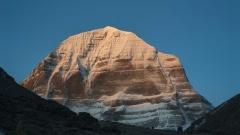
In addition to the primary permit, traveling outside of Lhasa to areas like Mount Everest Base Camp, Mount Kailash, or the Ngari region requires supplementary documents, such as an Alien Travel Permit and sometimes a Military Area Entry Permit. Your travel agency will handle these logistics, but being aware of them helps set realistic timelines for your planning. Independent backpacking is not permitted for foreign nationals; you must be accompanied by a licensed guide throughout your stay. While this might seem restrictive, having a knowledgeable local guide profoundly enriches the experience, providing context to the history, religion, and daily life of the Tibetan people.
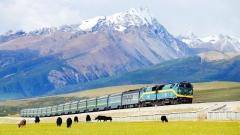
Flights into Lhasa Gonggar Airport connect through major Chinese hubs like Chengdu, Chongqing, or Xining. Alternatively, the Qinghai-Tibet Railway offers one of the most scenic train journeys on the planet. The train gradually ascends over several days, which many travelers find helpful for initial acclimatization, though it does not entirely eliminate the risk of altitude sickness upon reaching Lhasa’s elevation of 3,650 meters (nearly 12,000 feet).
Managing Altitude and Health During Your Trip
Altitude sickness is the most common challenge faced by travelers embarking on China Tibet vacations. The thin air on the plateau means lower oxygen levels, which can cause headaches, fatigue, shortness of breath, and nausea. Proper preparation and pacing are your best defenses against Acute Mountain Sickness (AMS).
The golden rule of traveling in Tibet is to take it slow, especially during the first forty-eight hours. Upon arriving in Lhasa, resist the urge to immediately explore the city. Spend your first day resting at your hotel, drinking plenty of water, and eating light meals. Avoid alcohol, heavy physical exertion, and hot showers on your first night, as these can exacerbate symptoms or increase the risk of catching a cold, which complicates altitude adjustment.
Consult your physician before your trip regarding prophylactic medications like acetazolamide (Diamox), which can help speed up acclimatization. Many travelers also rely on traditional remedies available locally, such as Rhodiola rosea supplements or sweet tea, which locals believe helps with oxygen absorption. If symptoms become severe—such as persistent vomiting, confusion, or extreme difficulty breathing—it is vital to descend to a lower altitude immediately and seek medical attention. Most reputable hotels in Lhasa have oxygen concentrators available in their rooms or lobbies, providing quick relief for mild discomfort.
Exploring Lhasa: The Heart of Tibetan Culture
Lhasa is the undisputed starting point for almost all China Tibet vacations. Known as the “Place of the Gods,” this city seamlessly blends ancient traditions with modern life. The Potala Palace dominates the skyline, a monumental structure that served as the winter residence of the Dalai Lamas for centuries. Visiting the Potala requires booking tickets in advance due to strict daily visitor limits designed to protect the fragile wooden architecture. Inside, thousands of rooms house intricate murals, golden stupas, and sacred statues, offering a profound glimpse into Tibetan Buddhism.
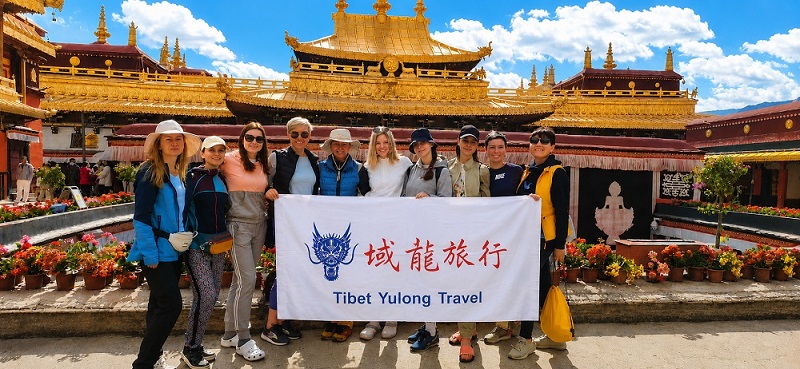
Just a short distance away lies the Jokhang Temple, arguably the most sacred site in Tibetan Buddhism. The temple houses the Jowo Shakyamuni statue, drawing pilgrims from across the plateau who perform full-body prostrations in the square outside. Surrounding the Jokhang is the Barkhor Street, a circular kora (pilgrimage route) lined with vendors selling prayer wheels, incense, turquoise jewelry, and traditional clothing. Walking the Barkhor clockwise alongside monks, nomads, and fellow travelers is an immersive sensory experience filled with the scent of juniper incense and the murmuring of mantras.
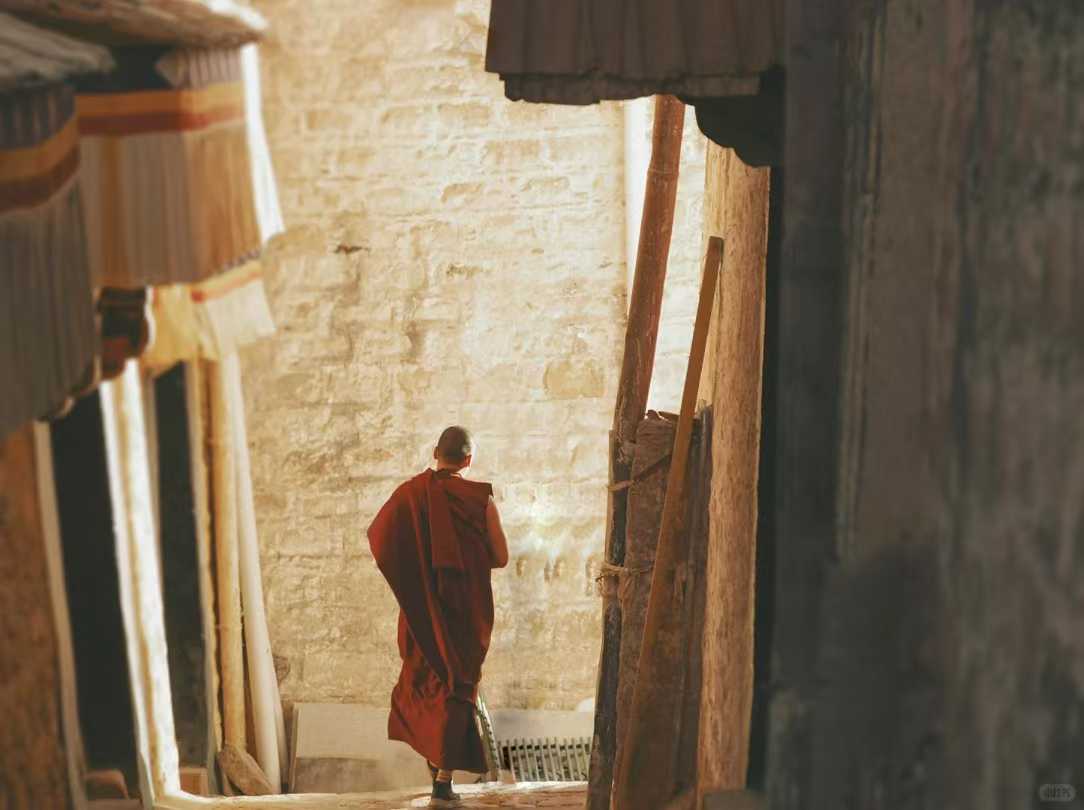
For a deeper dive into monastic life, visit the Sera Monastery in the late afternoon to witness the famous monk debates. In the courtyard, monks engage in vigorous, theatrical philosophical discussions, clapping their hands loudly to punctuate their arguments. Drepung Monastery, once the largest monastery in the world, offers sprawling white buildings cascading down a hillside and a quieter atmosphere for reflection.
Beyond Lhasa: Epic Landscapes and Overland Routes
While Lhasa anchors the cultural experience, venturing beyond the capital reveals the raw, untamed beauty that makes China Tibet vacations so legendary. The landscape shifts dramatically from arid valleys to massive glaciers, turquoise lakes, and snow-capped peaks.
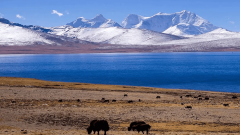
Yamdrok Lake is often the first major stop outside Lhasa. Located at an elevation of over 4,400 meters, its winding, coral-like shape and striking sapphire-blue waters contrast sharply with the surrounding brown mountains. Further west, Gyantse features the unique Kumbum Stupa, a multi-tiered structure filled with thousands of Buddhist murals, while Shigatse, Tibet’s second-largest city, is home to the Tashilhunpo Monastery, the traditional seat of the Panchen Lama.
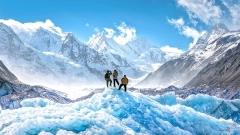
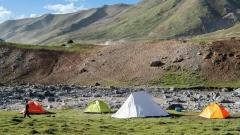
For adventurous travelers, the journey to Mount Everest Base Camp is a highlight. The drive involves crossing high mountain passes, including the Gawu La Pass, where on clear days, you can see a panoramic lineup of five of the world’s highest peaks, including Everest, Lhotse, and Makalu. Spending a night at the base camp tent guesthouses, despite the basic conditions and freezing temperatures, allows you to witness the sunset and sunrise over the summit—a moment etched permanently into memory.
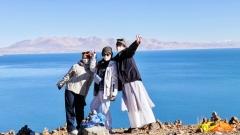
Another popular route leads toward Namtso Lake, one of the highest saltwater lakes in the world. The vast expanse of water reflecting the sky creates an illusion of walking into the clouds. When planning these extended itineraries, working with experienced operators like Tibet Yulong Travel ensures that transportation, accommodation, and necessary regional permits are handled smoothly, allowing you to focus entirely on the breathtaking scenery rather than logistical stress.
Experiencing Local Cuisine and Daily Life
Food is an integral part of any travel experience, and the culinary landscape of Tibet reflects its harsh climate and pastoral lifestyle. Traditional Tibetan food is designed to provide high energy and warmth. Tsampa, roasted barley flour mixed with butter tea, is the staple diet of the Tibetan people. Butter tea itself—made from black tea, yak butter, and salt—is an acquired taste for many foreigners but is incredibly effective at combating the cold and dry air. Sweet milk tea, however, is widely loved by visitors and readily available in teahouses across Lhasa.
Yak meat is the primary protein source, often served dried, stewed, or in momos (Tibetan dumplings). Momos can be steamed or fried and are usually filled with yak meat, cabbage, or potatoes, served with a spicy chili dipping sauce. Thukpa, a hearty noodle soup with vegetables and meat, is perfect for warming up after a long day of sightseeing.
When dining out, you will notice that many restaurants in Lhasa cater to tourists, offering a mix of Tibetan, Nepali, Indian, and Western dishes. However, seeking out small, local teahouses frequented by residents provides a more authentic glimpse into daily life. Always remember to ask permission before photographing locals, particularly monks or elderly pilgrims, as a sign of basic courtesy.
Cultural Etiquette and Responsible Travel
Responsible tourism is paramount when undertaking China Tibet vacations. The Tibetan culture is deeply intertwined with Vajrayana Buddhism, and religious sites demand respectful behavior. When entering temples or monasteries, remove your hat and sunglasses. Dress modestly, avoiding shorts or revealing clothing. Walk around religious monuments, mani stones, and stupas in a clockwise direction, following the path of the pilgrims.
Photography rules vary by location. While outdoor shots are generally fine, taking photos inside chapels or of specific statues is often strictly prohibited or requires a photography fee paid to the monastery. Never touch religious artifacts, texts, or the heads of locals, as the head is considered the most sacred part of the body.
Environmental conservation is equally important. The plateau ecosystem is incredibly fragile. Waste management infrastructure is limited in remote areas, so carry out whatever trash you bring in. Avoid purchasing products made from endangered wildlife, such as antelope wool (shahtoosh) or wild animal bones, to discourage illegal poaching.
By approaching your journey with patience, an open mind, and a deep respect for the land and its people, your travels across the Tibetan Plateau will transcend a simple vacation. It becomes a transformative encounter with one of the most resilient cultures and awe-inspiring landscapes on the planet, leaving you with memories that endure long after you return to lower altitudes.