Traveling to Tibet is an experience unlike any other, blending breathtaking high-altitude landscapes with deep-rooted cultural traditions. When you embark on this journey, you will likely rely heavily on a local guide and a driver to navigate the rugged terrain and complex travel regulations. Understanding how to properly tip these essential team members is a common concern for international visitors. While tipping is not a deeply ingrained historical custom in China, the tourism industry in Tibet operates differently due to the influx of global travelers. Knowing when and how to offer a tip ensures you show appropriate gratitude without causing awkwardness or offending local sensibilities. This comprehensive guide will walk you through everything you need to know about rewarding your travel companions fairly.
Before diving into the details, here are the key takeaways regarding tipping in Tibet:
- Tipping is appreciated but not legally mandatory for guides and drivers.
- Suggested daily tip ranges from 80 to 150 RMB per person for the guide.
- Drivers generally expect a slightly lower tip than the primary tour guide.
- Always hand over the tip discreetly at the end of the tour using local currency.
- Group tours usually pool tips together rather than paying individually.
Why You Should Consider Leaving a Tip in Tibet
In many Western countries, leaving a tip is a standard part of the service economy. In mainland China, however, the practice is largely absent in everyday life. You do not tip taxi drivers, restaurant waiters, or hotel bellhops in cities like Beijing or Shanghai. Tibet, being an autonomous region within China, generally follows this national norm. Yet, the tourism sector is a notable exception. Because Tibetan guides and drivers frequently cater to international tourists who come from tipping cultures, they have grown accustomed to receiving gratuities as a gesture of appreciation for exceptional service.
The work of a guide and driver in Tibet is exceptionally demanding. They must navigate extreme altitudes, unpredictable weather, and long hours on rough mountain roads. Guides are also responsible for managing your Tibet Travel Permit, ensuring you stay within approved areas, and bridging the language and cultural gaps between you and the local Tibetan communities. Given the physical toll and the high level of responsibility, offering a tip is widely considered a respectful way to acknowledge their hard work and dedication. It transforms a transactional service into a meaningful human connection.
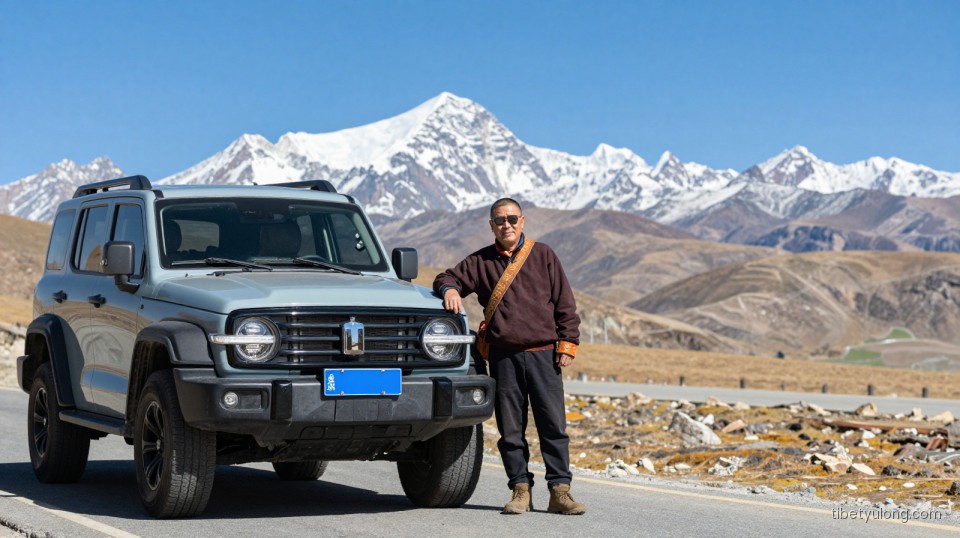
How Much to Tip Your Tour Guide
Determining the right amount to tip your guide depends on several factors, including the length of your trip, the size of your group, and the overall quality of service provided. As a general benchmark, independent travelers and small groups often calculate the tip on a per-person, per-day basis. For a standard private tour, a reasonable tip for a knowledgeable and attentive guide ranges from 100 to 150 RMB (Chinese Yuan) per day per traveler. If you are traveling solo, you might lean toward the higher end of that spectrum to compensate for the fact that the guide is dedicating their time exclusively to you.
For larger group tours, the dynamic changes slightly. Instead of each individual calculating a separate gratuity, it is common practice for the group to pool their money together. In a group setting, contributing around 50 to 80 RMB per person per day into a collective envelope is standard. This pooled amount can add up quickly, providing the guide with a substantial and well-deserved bonus by the end of a multi-day expedition across the Tibetan plateau.
It is important to adjust your tip based on performance. If your guide went above and beyond—perhaps by sharing deep insights into Tibetan Buddhism, helping you manage altitude sickness, or arranging special photo stops—feel free to exceed the standard range. Conversely, if the service was merely adequate, sticking to the baseline is perfectly acceptable.
Appropriate Tip Amounts for Your Driver
While the guide is the face of your tour, the driver is the backbone. Driving in Tibet is not like driving on a paved highway in the lowlands. The routes often involve navigating steep mountain passes, unpaved roads, and sudden weather shifts. Drivers spend long hours behind the wheel, ensuring your safety while you enjoy the scenery outside the window. Because their role is crucial yet less interactive than the guide’s, the expected tip is usually slightly lower.
A good rule of thumb is to offer the driver about 70% to 80% of what you give the guide. If you are tipping your guide 100 RMB per day, a tip of 70 to 80 RMB per day for the driver is highly appropriate. Just like with guides, travelers in a group should pool their contributions for the driver. Offering around 40 to 60 RMB per person per day for the driver in a group setting strikes the right balance between generosity and local expectations.
Drivers greatly appreciate consistency. If you are on a long itinerary, such as an eight-day journey from Lhasa to Mount Everest Base Camp and back, you do not need to hand over cash every single evening. Instead, calculate the total amount at the end of the trip and present it as a lump sum. This allows the driver to feel the full weight of your appreciation for the entire journey rather than viewing it as a fragmented daily transaction.
Best Practices for Delivering Your Tip
How you deliver the tip is just as important as how much you give. Cultural sensitivity plays a significant role in Tibetan hospitality. Handing over cash casually or tossing it onto a table can be perceived as disrespectful or dismissive. To ensure your gesture is received warmly, follow a few simple etiquette rules.
First, always use Chinese Yuan (RMB). Foreign currencies like US Dollars or Euros are practically useless to local staff in everyday life, as exchanging them involves unnecessary hassle and fees. Ensure your bills are clean, unwrinkled, and in good condition. Presenting torn or dirty banknotes is considered poor manners.
Second, use an envelope. Purchasing a simple red or plain envelope in Lhasa before your tour begins adds a layer of respect to the transaction. Placing the cash inside an envelope signifies that this is a thoughtful gift of gratitude rather than a mere payment. At the end of your final day together, hand the envelope directly to the guide and the driver separately. Use both hands when presenting the envelope, which is a traditional sign of respect in Tibetan and broader Chinese culture.
Third, timing matters. Do not offer the tip at the beginning of the trip, as this can sometimes create an awkward dynamic where the staff feels they have already been paid regardless of their future effort. Wait until the very end of the tour, ideally after the final meal or as you are saying your goodbyes at the airport or train station.
What About Other Service Staff During Your Trip?
Your guide and driver are not the only people who assist you during a trip to Tibet. You will interact with hotel staff, restaurant servers, and perhaps porters if you undertake any trekking. For hotels and restaurants in major towns like Lhasa or Shigatse, tipping is generally not expected and can sometimes cause confusion. However, if a hotel porter helps you carry heavy luggage up several flights of stairs in a building without an elevator, a small gesture of 10 to 20 RMB is a kind way to say thank you.
If your itinerary includes trekking, such as the route around Mount Kailash, you will likely hire yaks or horses, along with local handlers. For these handlers, who endure harsh conditions to support your trek, a tip of 50 to 100 RMB per day is customary and deeply appreciated. Always consult your main guide for advice on these specific situations, as they understand the current local norms better than anyone.
Navigating Tipping with Professional Agencies
Booking your Tibet adventure through a reputable agency simplifies many logistical hurdles, including understanding gratuity customs. Agencies like Tibet Yulong Travel provide experienced, professional teams who are accustomed to working with international visitors. When you book through a dedicated operator like Tibet Yulong Travel, you benefit from clear communication before your trip even begins. Their staff can advise you on current expectations, ensuring you arrive prepared with the right amount of local currency and the proper envelopes.
Furthermore, established agencies ensure that their guides and drivers receive fair base salaries. This means your tip acts as a genuine bonus for excellent service rather than a necessary subsidy for basic survival. This distinction makes the act of tipping feel much more natural and rewarding for both the traveler and the local staff. By choosing a reliable partner, you set the stage for a harmonious journey where cultural exchanges happen smoothly, and gestures of gratitude are understood and valued by everyone involved.