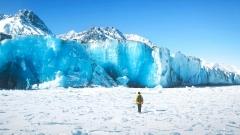
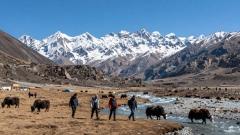
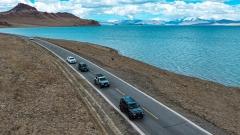
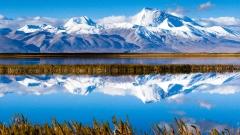
Planning a journey to the second-largest city in Tibet requires a solid understanding of the local environment. The Shigatse Climate and Weather plays a defining role in shaping your travel experience, from what you pack to how you spend your days exploring ancient monasteries and vast landscapes. Situated at an average elevation of around 3,800 meters, this region experiences a unique plateau climate characterized by intense solar radiation, significant temperature drops between day and night, and distinct dry and wet seasons. Whether you are trekking toward Mount Everest or wandering through the historic streets near Tashilhunpo Monastery, knowing what to expect from the sky above is essential. Understanding the Shigatse Climate and Weather ensures that travelers can acclimatize properly, avoid unexpected disruptions, and fully appreciate the breathtaking scenery without discomfort.
Key Takeaways:
- High altitude brings intense UV exposure daily.
- Large temperature gaps exist between day and night.
- Dry season offers the clearest mountain views.
- Wet season brings afternoon rain but warmer nights.
- Layered clothing is essential for all visits.
Overview of Shigatse Climate and Weather Patterns
The Shigatse Climate and Weather is primarily classified as a semi-arid plateau temperate zone. Because of its high elevation on the Tibetan Plateau, the atmosphere is thin, which means the air holds less heat and provides minimal protection against ultraviolet rays. As a result, sunshine is abundant throughout the year, with some areas receiving over 3,000 hours of sunlight annually. This constant exposure to the sun makes daytime temperatures feel surprisingly warm, even when the actual thermometer reading is relatively low.
One of the most defining characteristics of the Shigatse Climate and Weather is the extreme diurnal temperature variation. It is entirely normal to experience a difference of 15 to 20 degrees Celsius between the peak afternoon heat and the pre-dawn chill. Mornings often start crisp and freezing, warming up rapidly under the direct sun by midday, only to plunge back into cold conditions shortly after sunset. This dramatic swing dictates the rhythm of daily life for locals and visitors alike, making adaptable clothing strategies mandatory for anyone spending time in the region.
Seasonal Breakdown of Shigatse Climate and Weather
Spring (March to May)
Spring marks a gradual transition from the harsh winter cold to milder conditions. During these months, the Shigatse Climate and Weather begins to stabilize, though strong winds are a frequent companion. Average daytime temperatures slowly climb from around 8°C in March to a more comfortable 16°C by May. Nighttime temperatures, however, still hover near or slightly below freezing early in the season. Rainfall remains scarce, leaving the skies predominantly clear and blue. This is a period when the landscape starts to thaw, and agricultural activities resume in the lower valleys.
Summer (June to August)
Summer coincides with the wet season on the Tibetan Plateau. The Shigatse Climate and Weather during this time is heavily influenced by the Indian Ocean monsoon, which pushes moisture up into the Himalayas. Daytime temperatures reach their annual peak, averaging between 18°C and 23°C, while nights become much milder, rarely dropping below 7°C. Most precipitation falls as brief, heavy showers in the late afternoon or evening, rather than continuous all-day rain. Despite the clouds, UV radiation remains dangerously high. Travelers should note that summer rains can occasionally cause minor landslides on remote mountain roads, potentially affecting travel itineraries.
Autumn (September to November)
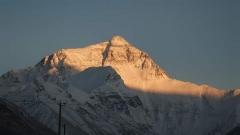
Many seasoned travelers consider autumn the prime window for visiting, largely due to the favorable Shigatse Climate and Weather. By September, the monsoon retreats, stripping away the heavy cloud cover that often obscures the highest peaks. The air becomes exceptionally clear, offering unobstructed views of Mount Everest and surrounding ranges. Temperatures begin a steady decline, with October days averaging around 12°C and November dropping closer to 6°C. Nights grow increasingly frosty. The lack of rain and moderate daytime warmth make outdoor exploration and long drives highly enjoyable before the deep winter sets in.
Winter (December to February)
Winter brings the harshest phase of the Shigatse Climate and Weather. Daytime highs struggle to exceed 5°C, and nighttime lows frequently plummet to -10°C or colder. Snowfall occurs but rarely accumulates deeply in the city center due to the dry air and intense daytime sun melting it quickly. However, high mountain passes leading out of the region can become blocked by snow and ice. While the cold is biting, the winter sky is remarkably pristine, and tourist crowds are virtually nonexistent, providing a serene atmosphere for those adequately prepared for the freeze.
Temperature Extremes and Daily Variations
When analyzing the Shigatse Climate and Weather, the concept of averages can be misleading if one ignores the extremes. The absolute maximum temperature recorded in the region can occasionally touch 28°C during peak summer afternoons, while the absolute minimum in deep winter can fall below -15°C. However, the daily fluctuation is the real challenge for travelers. You might find yourself wearing a heavy down jacket at breakfast, stripping down to a t-shirt by noon while walking in the sun, and putting the jacket back on by late afternoon.
This phenomenon is directly tied to the atmospheric density. Thin air heats up rapidly when exposed to direct solar radiation but loses that heat just as fast once the sun dips behind the mountains. Visitors must internalize this aspect of the Shigatse Climate and Weather to avoid catching a cold, which can complicate altitude acclimatization. Dressing in easily removable layers is not merely a suggestion; it is a practical necessity dictated by the physics of the plateau environment.
Precipitation and Humidity Levels
Rainfall distribution is a crucial component of the Shigatse Climate and Weather. The region receives an average annual precipitation of roughly 400 to 450 millimeters, but this is not spread evenly. Over 85% of this moisture arrives between June and September. The rest of the year is profoundly dry. Humidity levels generally remain low, contributing to rapid evaporation and the parched feeling many visitors experience upon arrival.
During the wet season, the rain usually follows a predictable pattern. Mornings are often bright and sunny, clouds build up by early afternoon, and a short, intense downpour occurs before clearing again in the evening. This cycle means that summer travel is still very feasible, provided you schedule outdoor sightseeing for the morning hours. The dryness outside of the monsoon season means lip balm, heavy moisturizers, and constant hydration are vital tools for combating the effects of the Shigatse Climate and Weather on your skin and respiratory system.
Wind and Solar Radiation Factors
Wind is a persistent element of the Shigatse Climate and Weather, particularly during spring and winter. Gale-force winds sweeping across the open plains can drastically increase the wind chill factor, making a 5°C day feel well below freezing. These winds also carry fine dust, which can reduce visibility and irritate the eyes and throat. Protective eyewear and face coverings are highly recommended during windy periods.
Equally important is the solar radiation. Due to the high altitude and thin atmosphere, ultraviolet (UV) rays are significantly stronger here than at sea level. Sunburn can occur within minutes of unprotected exposure, even on cloudy days. Understanding this aspect of the Shigatse Climate and Weather means always applying high-SPF sunscreen, wearing wide-brimmed hats, and using UV-blocking sunglasses. The intensity of the sun is also why shaded areas feel instantly cold compared to sunlit spots, reinforcing the need for layered clothing.
Best Time to Visit Based on Shigatse Climate and Weather
Choosing when to go depends entirely on your priorities and tolerance for different elements of the Shigatse Climate and Weather. For trekkers and photographers aiming to capture the majestic Himalayan peaks, the post-monsoon months of October and November are unparalleled. The skies are washed clean, visibility is at its absolute maximum, and the daytime temperatures are cool but manageable.
If you prefer warmer weather and do not mind occasional afternoon showers, the summer months from June to August offer the most comfortable baseline temperatures. This is also when the countryside is at its greenest. Conversely, budget travelers seeking solitude might brave the winter months, provided they have adequate thermal gear. Regardless of the season, working with experienced operators like Tibet Yulong Travel can greatly enhance your trip. Their deep familiarity with the Shigatse Climate and Weather allows them to adjust daily itineraries dynamically, ensuring you avoid sudden storms or extreme wind events while maximizing your time in optimal conditions.
Practical Packing Tips for the Local Environment
Packing correctly requires respecting the realities of the Shigatse Climate and Weather. Forget heavy, single-purpose winter coats; instead, focus on a modular layering system. Start with moisture-wicking base layers to keep sweat away from your skin during warm afternoons. Add insulating mid-layers like fleece or lightweight down jackets that can be easily stuffed into a daypack when the sun is high. Finish with a windproof and waterproof outer shell to combat sudden gusts or summer rain squalls.
Accessories are just as critical. Bring thermal gloves, a warm beanie, and a neck gaiter for early mornings and evenings. Sturdy, broken-in hiking boots with good ankle support are necessary for navigating uneven terrain that may be dusty or muddy depending on the season. Finally, never underestimate the power of a high-quality thermos. Having access to hot water throughout the day helps regulate your core temperature against the unpredictable shifts of the Shigatse Climate and Weather, keeping you comfortable and healthy as you explore the roof of the world.