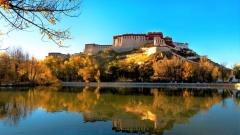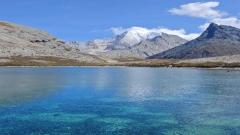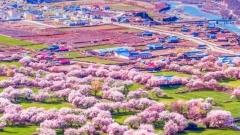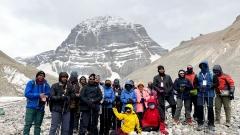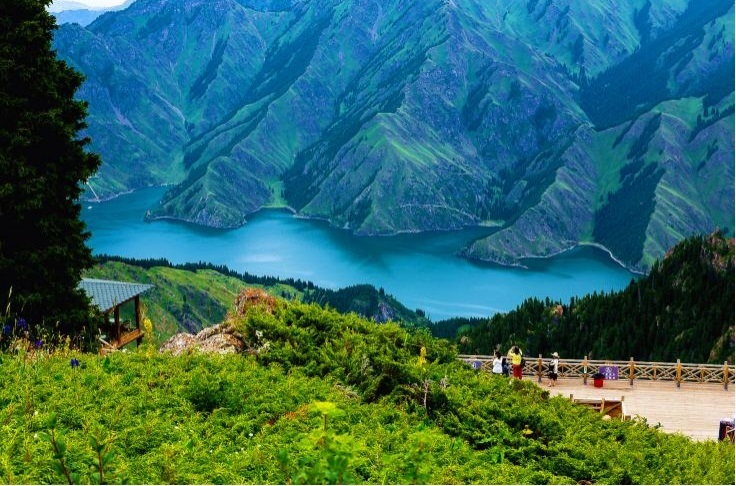

Can foreign tourists visit Yadong Tibet? In principle, foreign visitors can travel to Tibet, but they must follow Tibet’s additional entry and travel requirements, and access to Yadong may depend on local restrictions in force at the time of travel. Yadong County lies in southern Tibet near the India–Bhutan border, so it is not a destination to approach as an independent road trip or assume is open to every visitor. Foreign passport holders generally need to arrange their Tibet visit through an authorized travel agency, obtain the required Tibet travel documents, and travel according to an approved itinerary. Before making non-refundable plans, confirm whether Yadong is currently included in itineraries for foreign travelers and whether any extra approvals are required. This guide explains what to verify, how to plan transport and accommodation, and how to prepare for the high-altitude journey without relying on outdated assumptions.
- Foreign tourists need approved Tibet travel arrangements.
- Yadong access can be subject to local restrictions.
- Confirm permits and itinerary before booking transport.
- Plan for altitude, weather, and limited services.
- Follow border-area rules and local guidance.
Can foreign tourists visit Yadong Tibet?
The practical answer is: sometimes, subject to approval and current access rules. Foreign nationals are generally required to arrange travel in Tibet through an authorized travel agency and join an approved itinerary with a licensed guide and vehicle. The agency handles the Tibet-specific documentation and checks whether the requested route is open to foreign visitors.
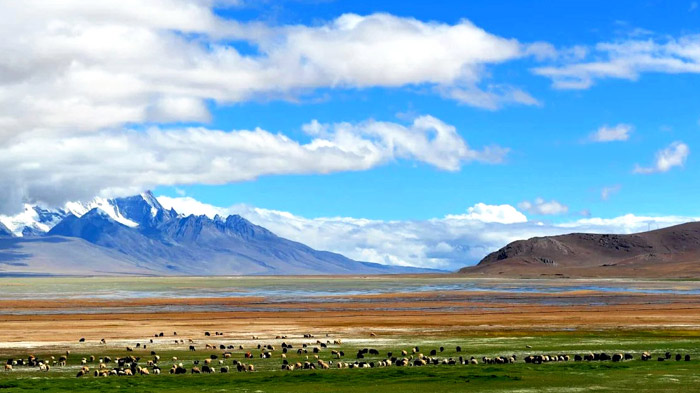
Yadong Valley
Yadong, also known as Yatung, is a county in Shigatse Prefecture in southern Tibet. It sits in a strategically sensitive border region, and access rules can differ from those for better-known destinations such as Lhasa or Shigatse city. A valid Tibet travel document does not automatically mean that every county, road, or border-area attraction is available. Local authorities may restrict access, change requirements, or close particular places without much notice.
That distinction matters when asking, “Can foreign tourists visit Yadong Tibet?” The answer should be confirmed for your passport, intended dates, route, and stops—not inferred from another traveler’s old report or a general Tibet itinerary. Ask a licensed operator to verify the current situation directly before you pay deposits or buy tickets that cannot be changed.
What foreign visitors should expect
Foreign travelers typically cannot treat Tibet as a fully independent destination. Travel arrangements are coordinated in advance, and visitors are expected to follow the approved itinerary and guide instructions. Depending on the route and local rules, the agency may need to obtain documents in addition to the Tibet travel permit. Requirements vary, so there is no safe universal checklist that applies to every Yadong trip.
Do not assume that a Chinese visa, a Tibet travel permit, or an invitation from a local contact alone guarantees permission to enter Yadong. Each serves a different purpose, and local access approval may be separate. Keep copies of your passport and visa available to the agency, and make sure the names and passport details on all booking documents match exactly.
Why Yadong requires more careful planning
Yadong is not simply a remote scenic stop on the way between major Tibetan cities. Its location near international borders means security and access controls can be more stringent than in ordinary tourist areas. Roads may pass through checkpoints, and some places in the county may be off-limits or require special authorization. Visitors should never assume they can continue beyond an approved stop because a road appears open or another vehicle is using it.
The county is also mountainous and relatively remote. Journey times can be affected by road conditions, weather, traffic controls, and acclimatization needs. Facilities are more limited than in Lhasa, and a driver may need to plan fuel, meals, and overnight stops carefully. A schedule that looks short on a map can take much longer in practice.
For these reasons, operators may decline a Yadong request even when they can arrange travel elsewhere in Tibet. That does not necessarily mean the destination is permanently closed; it may reflect a temporary restriction, an itinerary rule, or the agency’s inability to secure the required approval. Ask for a clear explanation and an alternative plan rather than trying to bypass the process.
Permits and travel arrangements
Start with an authorized Tibet travel agency
Contact a travel agency that is experienced in organizing trips for foreign passport holders in Tibet. Explain your nationality, travel dates, party size, intended entry point, and the exact places you hope to visit in Yadong. Use the county name as well as any specific town or attraction you have in mind; a broad request such as “southern Tibet” may not give the agency enough information to check access.
Ask the agency to confirm, in writing if possible:
- Whether foreign tourists can currently include Yadong in an approved itinerary.
- Which permits or local approvals are required for your route.
- Whether the trip must be private or can be joined with other travelers.
- Which checkpoints and overnight stops are planned.
- What happens if access is denied after booking.
A professional operator should be able to explain which parts are confirmed and which remain subject to official approval. Be cautious if someone promises guaranteed entry before checking your documents and dates, or suggests traveling without the required guide, permits, or approved vehicle.
Understand the difference between travel documents
Foreign visitors often encounter several different names for Tibet-related documents. The exact requirements depend on nationality, itinerary, and current policy, but the central point is simple: one permit should not be treated as permission for every destination.
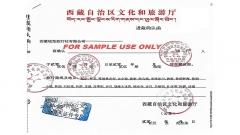
A Tibet travel permit is commonly required for foreign travelers entering the Tibet Autonomous Region. Additional approvals may apply for restricted areas or particular routes. Your agency should identify the documents relevant to Yadong and submit applications through the appropriate channels. Processing times can vary, so provide accurate passport information early and do not leave the application until just before departure.
Carry your passport and the travel documents your agency tells you to bring. Check whether originals, printed copies, or digital copies are needed for each stage. At checkpoints, follow the guide’s instructions and answer questions calmly. Never alter, lend, or misrepresent official documents.
Plan for a route change
Even a carefully arranged trip may need to change if a local authority closes a road or suspends access. Build flexibility into your schedule and understand the cancellation terms before paying. If Yadong is not approved, ask whether the itinerary can be adjusted to other destinations that are open to foreign visitors, such as approved parts of Shigatse Prefecture or the Lhasa area.
Do not buy a separate domestic flight or train connection that leaves no room for delays. If your Tibet journey is part of a longer China trip, keep a buffer before your next international departure. The agency should explain what it can and cannot control, including permit decisions, road closures, weather, and transport disruptions.
Getting to Yadong
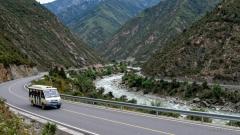
Yadong is reached overland from other parts of Tibet. Visitors commonly plan the journey as part of a guided road itinerary from Lhasa or Shigatse, but the exact route and permitted stops should be determined by the operator. Do not rely on an online map’s estimated driving time as a firm schedule. Mountain roads, checkpoints, roadworks, weather, and acclimatization breaks all affect travel time.
For foreign visitors, independent public transport is not a substitute for an approved tour arrangement. Even where buses or other services operate for local travelers, they may not meet the requirements of a foreign visitor’s itinerary or permit conditions. Confirm transport details with the agency, including vehicle type, driver arrangements, luggage limits, and what happens if roads are delayed.
The border region is not a place to improvise side trips. Stay on the approved route, do not photograph checkpoints or security facilities unless explicitly permitted, and never attempt to cross an international border without formal authorization. A visible road or nearby settlement does not mean that foreign visitors may enter.
Seasonal and road considerations
Yadong’s high elevation and mountain setting bring substantial changes in temperature and weather. Conditions can vary by month and by altitude, and rain, snow, fog, or road maintenance may affect the journey. Ask your operator which season is most suitable for the itinerary you want and whether any planned attractions are likely to be inaccessible.
Pack layers rather than relying on a single heavy coat. A warm outer layer, sun protection, comfortable walking shoes, and a waterproof layer are useful in mountain conditions. Keep essentials such as medication, water, and snacks accessible during long drives, while following local guidance on food and waste disposal.
Altitude, health, and comfort
Yadong lies at high elevation, and the journey may involve ascending faster than many travelers are accustomed to. Altitude affects people differently; being fit does not guarantee protection from altitude sickness. If you have a heart, lung, or other relevant medical condition, discuss the trip with a clinician before booking and ask the agency about the altitude profile and access to medical help along the route.
A cautious itinerary allows time to acclimatize before heading to higher places. Follow your guide’s advice, avoid strenuous activity when you first arrive at altitude, drink fluids regularly, and limit alcohol. Symptoms such as headache, nausea, unusual fatigue, dizziness, or disturbed sleep can indicate altitude illness. Tell your guide promptly if you feel unwell rather than trying to push through to keep the schedule.
Severe symptoms—including confusion, difficulty walking, breathlessness at rest, or worsening symptoms—need urgent medical attention and descent. Do not self-diagnose or rely on oxygen as a replacement for medical assessment. Before departure, ask the operator what emergency arrangements are available and confirm that your travel insurance covers high-altitude travel and emergency evacuation where applicable.
Remote travel also means that familiar medicines, specialist care, or particular foods may not be readily available. Bring personal prescriptions in their original packaging, together with a copy of the prescription, and check any import rules that apply. Pack enough essential supplies for delays, but do not bring medication that is restricted under local regulations without checking first.
Where to stay and what to eat
Accommodation options around Yadong are more limited than in major tourist centers. Your operator should confirm which overnight stays are possible for foreign travelers and whether the lodging meets your expectations for heating, hot water, and basic facilities. Availability can change with season and local access conditions, so avoid assuming that a hotel listed online can accept foreign guests or accommodate your itinerary.
Meals may be simpler and less varied than in large cities. Depending on the location, travelers may find Tibetan and Chinese dishes, noodles, rice, vegetables, and locally available meat. If you have allergies, dietary restrictions, or a need for vegetarian meals, tell the agency in advance and carry suitable snacks for long stretches between towns. In remote areas, specific dietary requests may not be easy to meet at short notice.
Ask before photographing residents, religious sites, or private property. If invited to share food or tea, accept or decline politely, and follow local customs. Carry small amounts of waste back to an appropriate disposal point rather than leaving packaging along roads or trails.
Responsible travel and local etiquette
Yadong’s border setting makes respectful behavior especially important. Follow your guide’s instructions at checkpoints and public facilities, and do not photograph military, police, border, or other restricted infrastructure. If a sign or official tells you that a location is closed, leave promptly and do not argue or try a different approach.
Religious and cultural sites deserve care. Ask whether photography is allowed before taking pictures, dress appropriately, and avoid touching sacred objects or interrupting worship. When photographing people, ask permission first. A guide can help explain local customs and interpret situations that might otherwise be confusing.
Be considerate of the environment. High-altitude landscapes recover slowly from damage, so stay on authorized roads and paths, avoid disturbing wildlife, and take litter with you. Do not collect plants, stones, or other natural or cultural materials. These habits help protect the places that make a visit meaningful without adding pressure to communities and fragile terrain.
A practical planning checklist
Before confirming your trip, use this checklist to make sure the main questions have been answered:
- Check eligibility: Tell the agency your nationality and passport details, and ask whether the route is currently available to foreign visitors.
- Confirm the itinerary: Request a day-by-day plan showing approved stops, overnight locations, and transport arrangements.
- Verify documents: Ask which Tibet permits and local approvals are needed, who applies for them, and when you will receive confirmation.
- Read the terms: Understand deposit, cancellation, refund, and route-change conditions if access is refused or a road closes.
- Allow time: Include flexibility for long drives, acclimatization, weather, and transport delays.
- Prepare for altitude: Review your health needs, insurance coverage, medication, and emergency plan.
- Pack for remoteness: Bring suitable layers, sun protection, personal essentials, and snacks for the road.
- Follow restrictions: Keep to the authorized route and respect instructions from your guide and local authorities.
These checks are more useful than relying on a generic statement that Yadong is either open or closed. Access may depend on the details of a particular journey, and the responsible agency should verify those details before you travel.
Common questions about visiting Yadong
Can I travel to Yadong independently?
Foreign travelers should not plan an independent visit to Tibet. Arrange the trip through an authorized agency and follow the approved itinerary, guide, and transport requirements. Whether a particular Yadong route is permitted must be checked before booking.
Does a Tibet travel permit guarantee entry to Yadong?
No. A Tibet travel permit does not necessarily authorize access to every county or border-area attraction. Additional local approval or route restrictions may apply. Have your operator confirm the exact permissions needed for the proposed itinerary.
Can I decide to visit Yadong after arriving in Lhasa?
That is risky. Permits and local approvals may need advance processing, and availability cannot be assumed. Raise Yadong with the agency before your trip begins, and do not rely on last-minute arrangements.
Is Yadong suitable for a short day trip?
A short visit may not be practical because of distance, road conditions, checkpoints, and altitude. The agency can advise whether an overnight itinerary is needed and whether the route is currently approved. Avoid trying to compress the journey based only on driving distances shown online.
What if the authorities do not approve my visit?
Follow the operator’s advice and use the agreed change or cancellation terms. Do not attempt to enter without authorization. If the trip must be revised, ask for an alternative destination that is open to foreign visitors and fits your available time.
Booking support from Tibet Yulong Travel
Travelers researching Can foreign tourists visit Yadong Tibet can ask Tibet Yulong Travel to check whether their nationality, travel dates, and proposed route meet current requirements. When making an inquiry, provide accurate passport details, explain whether you want to visit a specific place in Yadong or the county more broadly, and state your preferred entry and departure arrangements. Ask for a clear itinerary, a list of required documents, and written terms covering approval delays or route changes.
Any travel agency can help coordinate applications and logistics, but no operator should promise that a restricted destination will be approved before official confirmation. Treat permit and access checks as part of trip planning, not as a formality. If Yadong is unavailable during your travel window, a well-planned alternative in an accessible part of Tibet may offer a more reliable way to experience the region while respecting local rules.