The Ngari south and north routes are two broad ways to explore western Tibet, but they offer different landscapes and travel priorities. The south route is known for the pilgrimage circuit around Mount Kailash, sacred Lake Manasarovar, and the monasteries and settlements of the far west. The north route crosses the vast Changtang Plateau, where open grassland, high-altitude lakes, wildlife habitat, and long, remote roads define the journey. Both involve high elevation, substantial driving, and careful planning; neither is simply a short side trip from Lhasa. The right choice depends on whether you are drawn more to sacred sites and established pilgrimage destinations or to remote plateau scenery and solitude. Some itineraries combine sections of both, but that requires more time and a realistic plan for road and permit conditions.
- South route: Kailash, Manasarovar, monasteries, and pilgrimage culture.
- North route: Changtang landscapes, wide-open spaces, and remote lakes.
- Both routes: High altitude, long drives, and advance planning.
- Best choice: Match the route to your interests, time, and acclimatization.
What Do “Ngari South Route” and “Ngari North Route” Mean?
Ngari, also called Ali, is a vast region in western Tibet. The terms “south route” and “north route” are travel-planning labels rather than universally fixed road names. Operators may use them for slightly different combinations of highways, towns, and sightseeing stops, so compare the actual itinerary instead of relying on the label alone.
In general, the south route refers to travel through the southern part of Ngari, especially the area around Mount Kailash and Lake Manasarovar. Depending on the starting point and schedule, an itinerary may also include major places farther east or south, such as Shigatse, Saga, or other settlements along the way. The route is popular with pilgrims and travelers who want to visit the region’s most recognized sacred sites.
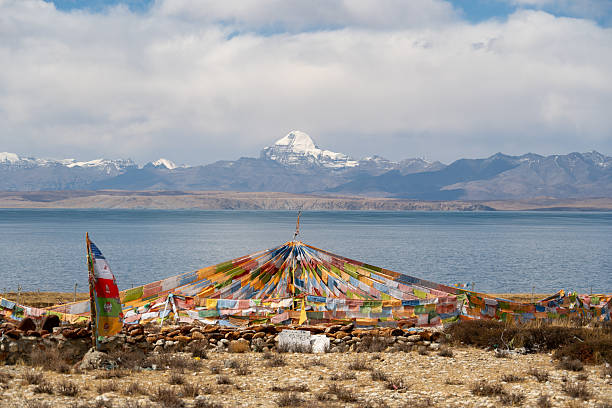
The north route usually describes a journey across parts of the Changtang, the immense high-altitude plateau that stretches across northern Tibet. Itineraries may pass remote lakes, grasslands, mountain ranges, and sparsely settled areas. The exact route can vary considerably, and not every journey advertised as a northern route visits the same lakes or follows the same road.
These labels therefore describe a general direction and travel experience, not a guarantee of a set list of destinations. Before booking, ask for a map or named overnight stops, check how many hours are expected on the road, and confirm whether the plan is feasible under current local access rules.
The Main Difference Between Ngari South and North Route
The simplest way to understand the difference between Ngari south and north route is to look at the focus of each journey. The south route is more destination-led: travelers often plan around Mount Kailash, Lake Manasarovar, pilgrimage sites, and the communities connected to them. The north route is more landscape-led: the experience is shaped by long stretches of open plateau, remote lakes, and a sense of distance from larger towns.
That distinction affects the whole trip. On the south route, travelers often have a clear central purpose, such as seeing Kailash or completing the kora, the traditional circumambulation of the mountain. The route may include cultural visits and time around Manasarovar, though the details depend on the itinerary and the traveler’s physical condition.
On the north route, the journey itself is often the main attraction. The scenery changes across broad, exposed terrain, and the distances between settlements can be considerable. Rather than moving from one famous landmark to another, travelers spend more time observing the plateau, its lakes and mountain horizons, and the conditions of life in a remote region.
Neither route is inherently better. The south is often a stronger fit for travelers with a specific interest in sacred geography and Kailash. The north can suit those who value remote landscapes and have enough time to accept a less predictable, more road-intensive journey. Both demand respect for altitude and local regulations.
Ngari South Route: Mount Kailash, Manasarovar, and Pilgrimage Culture
Mount Kailash and the kora
Mount Kailash is the defining destination for many south-route travelers. The mountain is sacred in several religious traditions, and pilgrims travel to the area for worship and circumambulation. The kora route is a demanding high-altitude trek, not a casual walk. Its length, elevation, weather exposure, and physical difficulty mean that travelers should consider their fitness, acclimatization, and medical advice before deciding to attempt it.
A visit to the mountain does not require everyone to complete the kora. Some travelers spend time viewing Kailash from designated areas or learning about its religious significance without undertaking the full circuit. If a trek is part of your plan, confirm the expected duration, overnight arrangements, porter or transport options where available, and what happens if weather or health makes continuing unsafe.
Lake Manasarovar
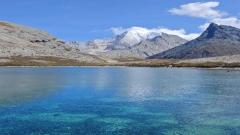
Lake Manasarovar is another major focus of the south route. Its setting beneath the high Himalayan landscape gives it a strong presence in regional pilgrimage traditions. Travelers may visit the lakeshore or nearby areas as permitted, but access and activities should follow local rules and environmental guidance. A stop at the lake is not a substitute for acclimatization: its high elevation can affect visitors even when they are not hiking.
The neighboring landscape can also include views of other lakes and mountain ranges, depending on the route and conditions. Travelers should avoid assuming that every itinerary includes the same shoreline stops, viewpoints, or time at the water. Ask the operator what is planned and whether any area is restricted.
Monasteries and settled areas
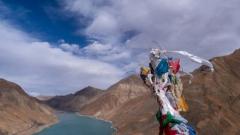
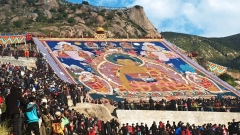
The southern region has long-standing religious and cultural connections. Depending on the itinerary, visitors may pass monasteries, small settlements, and places associated with local Buddhist traditions. These visits can add context to the landscape, but they are active religious and community spaces rather than staged attractions. Dress respectfully, follow photography rules, and be considerate during prayer or other ceremonies.
The south route may feel more structured because Kailash and Manasarovar give many trips a clear anchor. That does not mean it is easy or comfortable. Roads are long, services are limited in remote sections, and basic accommodation may be the only practical option in some places. A well-planned schedule should allow for rest and altitude adjustment rather than trying to fit every possible stop into a tight timetable.
Ngari North Route: Changtang Plateau, Lakes, and Remote Scenery
The scale of the Changtang
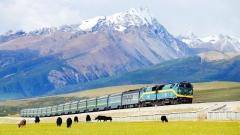
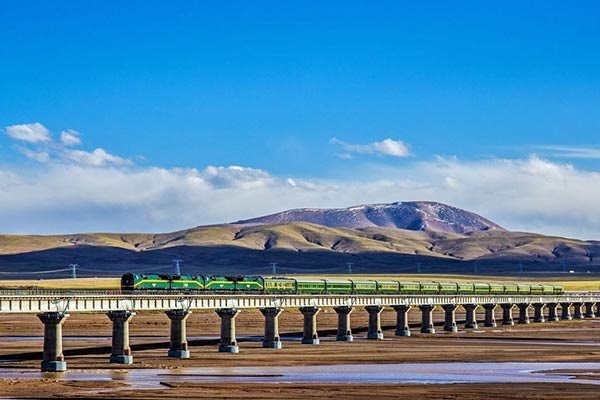
The north route is closely associated with the Changtang Plateau, a broad high-altitude region of open grassland, mountain basins, and lakes. Instead of focusing on one widely recognized pilgrimage landmark, many northern itineraries emphasize the changing landscape and the experience of traveling through a sparsely populated area.
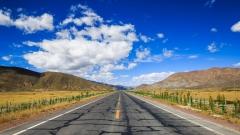
The sense of space is a major part of the appeal. Long horizons, high mountain silhouettes, and wide stretches of plateau can make the journey feel very different from a route built around towns and named attractions. At the same time, the distances can be tiring. Travelers should expect long periods in a vehicle and should ask how frequently the itinerary allows for breaks, meals, and overnight stays.
Lakes and wildlife habitat
Northern Tibet contains many lakes and important habitats, and some routes pass areas where wildlife may be present. Sightings are never guaranteed. Animals can be distant, seasonal, or absent from the particular stretch visited, so a trip should not be planned around the promise of seeing a specific species. If wildlife is encountered, observe from a respectful distance, follow guide instructions, and do not disturb animals or their habitat.
Lake names and access points differ between tour plans. A route marketed as “Ngari north” may include one lake but not another, or may change due to road conditions and local restrictions. Request the itinerary in writing and ask which stops are confirmed rather than described as optional possibilities.
Remoteness and the travel experience
The north route can feel more remote than the south because some sections have fewer settlements and services. This affects the practical details: fuel planning, food, accommodation, mobile coverage, and access to medical help. Travelers should not expect a remote plateau journey to offer the same range of facilities as a city-based tour.
The rewards are a quieter, more expansive experience and the chance to see a different side of Tibet’s geography. The trade-off is reduced convenience and greater reliance on a competent driver and guide. A responsible itinerary should have realistic daily distances, suitable vehicles, contingency plans, and clear arrangements for emergencies.
South vs. North Route at a Glance
| Travel factor | Ngari south route | Ngari north route |
|---|---|---|
| Main focus | Mount Kailash, Manasarovar, pilgrimage and cultural sites | Changtang scenery, remote lakes, plateau landscapes |
| Typical feel | Destination-led, with a recognizable spiritual focus | Landscape-led, quieter, and often more remote |
| Common highlight | Views of Kailash or a planned kora, if suitable | Broad plateau views and remote lake country |
| Travel demands | High altitude, long drives, and possible strenuous trekking | High altitude, long drives, isolation, and fewer services |
| Best suited to | Travelers interested in sacred sites and pilgrimage culture | Travelers who prioritize remote scenery and have flexible plans |
| Planning priority | Acclimatization and realistic expectations for the kora | Road logistics, supplies, and contingency planning |
Use this comparison as a starting point, not a fixed promise. Exact routes, overnight stops, and access rules can change, and tour providers may use the names differently.
Which Route Should You Choose?
Choose the south route if Kailash is your priority
The south route is the natural choice if Mount Kailash is the central reason for your trip. It also makes sense for travelers who want to understand the region through pilgrimage sites and the cultural landscape around Manasarovar. If you hope to complete the kora, build the trip around adequate acclimatization and a realistic assessment of your health, not just the number of days available.
Choose the north route if you want remote landscapes
The north route may suit travelers who are more interested in the scale and solitude of the plateau than in a single sacred destination. It can be rewarding for people who are comfortable with long drives, simple services, and changes to a plan when conditions require them. A flexible attitude is essential: the appeal lies partly in traveling through a remote region, not in checking off a predictable list of attractions.
Consider a combined route only with enough time
Some travelers want both Kailash and the northern plateau. A combined itinerary may be possible, but it can involve substantial driving and a longer stay in a high-altitude environment. Do not choose a combined route simply because it appears to cover more places. Ask for the day-by-day schedule, total driving time, acclimatization plan, and alternatives if road or access conditions disrupt the route.
If your available time is limited, a focused itinerary is usually more sensible than trying to cross the region at an exhausting pace. The best route is the one you can complete safely and enjoy without treating every stop as a race.
Altitude, Health, and Acclimatization
Both routes travel at high elevation, and altitude-related illness is a serious consideration. People respond differently: being fit does not prevent altitude sickness, and a traveler who felt well at one stop may feel unwell after gaining elevation. Headache, nausea, unusual fatigue, dizziness, and shortness of breath can be warning signs. Severe or worsening symptoms require prompt attention and a move to a lower elevation when advised by qualified professionals.
Plan time to acclimatize before heading into the highest areas. Avoid designing an itinerary that climbs rapidly from low elevation with no rest days. Discuss your route with a medical professional before departure, especially if you have existing health conditions or take regular medication. Follow your guide’s safety instructions and be honest about symptoms; pushing on to keep to a schedule can make a manageable problem more dangerous.
Bring appropriate clothing for cold, wind, sun, and sudden weather changes. High-altitude sunlight can be intense, while temperatures may drop sharply after sunset. Carry personal medication and essential supplies, and do not assume that a remote stop will have a pharmacy or reliable medical service.
Permits, Transport, and Practical Planning
Foreign visitors generally need to arrange Tibet travel through the applicable authorized channels, with the required travel documents and permits handled according to the rules in force. Requirements can depend on nationality, destination, and current administrative policy. Confirm what is needed with a qualified Tibet travel operator before making nonrefundable plans; do not rely on old permit lists or informal advice.
A local guide and appropriate transport are central to travel in Ngari. Ask who will arrange permits, whether the driver and vehicle are suitable for remote roads, and how the company handles breakdowns or itinerary changes. Since mobile service can be limited in remote areas, ask what communication and emergency procedures are available.
Road conditions vary and can be affected by weather, maintenance, restrictions, or local decisions. A published itinerary is a plan, not a guarantee that every stop will be accessible. Avoid operators who promise fixed access to restricted places or claim that weather and road conditions cannot affect the trip.
Before departure, confirm:
- The exact overnight stops and approximate driving hours each day.
- Which sightseeing stops are included and which are optional.
- The altitude of overnight locations and the acclimatization schedule.
- What meals, accommodation, fuel, and emergency arrangements are covered.
- How the operator responds to illness, road closures, or vehicle problems.
- What personal documents and permits are required for your specific itinerary.
Best Time and Weather Considerations
Travel seasons in Ngari are shaped by elevation, weather, road conditions, and local access rules. Conditions can change quickly, and a general seasonal description cannot guarantee clear skies or open roads on a particular day. Before settling on dates, ask a local operator about the typical conditions for the route you are considering and verify any current restrictions.
The south route may be planned around a visit to Kailash or a kora, but the suitability of a trek depends on conditions as well as personal health. The north route can be especially exposed to wind and sudden weather changes, with long stretches where travelers have few sheltered alternatives. Pack in layers and plan for cold even if daytime sunshine feels strong.
Avoid making a decision based solely on a promise of perfect weather or wildlife sightings. A better plan allows some flexibility, carries suitable clothing, and leaves room for delays. If a company cannot explain how it handles adverse conditions, ask more questions before booking.
What to Pack for Either Route
Packing should reflect cold nights, strong sun, dry air, and long vehicle days. Useful basics include warm layers, a windproof outer layer, comfortable walking shoes, sun protection, sunglasses, lip balm, and personal medication. A reusable water bottle and small day bag can make short stops easier, while snacks may be useful between settlements.
For a possible kora, discuss equipment and support with your operator and assess whether the trek is appropriate for you. Trekking poles may help some walkers, but no item makes a high-altitude route safe for everyone. For the north, prioritize practical clothing and supplies for extended periods on the road and limited services.
Pack modestly and keep essential documents, medication, and valuables accessible. Respect local customs and avoid bringing or using items that could disturb religious spaces or wildlife. Your guide can advise on specific clothing or equipment based on the actual route and expected overnight conditions.
Traveling Responsibly in Ngari
Ngari’s religious sites, communities, and fragile high-altitude environments deserve care. Follow local instructions at monasteries and pilgrimage sites, ask before photographing people, and respect restrictions on photography or access. Do not leave rubbish behind, and avoid removing stones, plants, or other natural materials as souvenirs.
At lakes and wildlife habitats, stay on permitted routes and keep a respectful distance from animals. Do not feed wildlife or encourage drivers to chase animals for photographs. In remote settlements, be courteous and avoid treating residents’ daily lives as a spectacle. A guide can help explain local etiquette and identify areas where visitors should take extra care.
Planning with Tibet Yulong Travel
When arranging a trip with Tibet Yulong Travel, or comparing any operator, begin with the itinerary rather than the marketing label. Ask whether the proposed plan is the south route, north route, or a combination; request the named stops and overnight locations; and check how much time is reserved for altitude adjustment. If Kailash is included, clarify whether the kora is optional and what arrangements apply if a traveler decides not to continue.
You can also ask how permits and local access are handled, what is included in the price, and what happens if weather, road conditions, or health concerns require a change. A useful operator should explain practical limitations clearly and avoid guaranteeing access, wildlife sightings, or a particular experience. Once the route is confirmed, make sure your travel insurance and medical preparation match the remoteness and elevation of the journey.
What to Confirm Before You Book
The difference between Ngari south and north route is ultimately a difference in emphasis: the south centers on Kailash, Manasarovar, and pilgrimage culture, while the north centers on the Changtang Plateau and remote landscapes. Both can be demanding, and both require careful preparation. Decide whether your priority is a sacred destination or a more landscape-focused journey, then compare the actual itinerary, altitude profile, driving schedule, and support arrangements. With realistic expectations and a well-planned route, you can choose the experience that best fits your interests and travel limits.