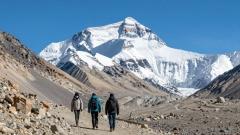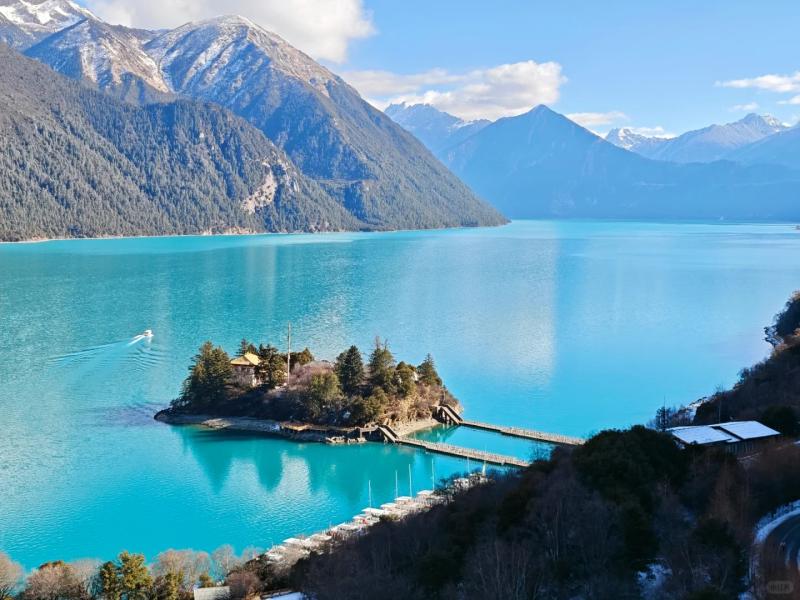

High on the Tibetan Plateau, where the air is thin and the skies stretch endlessly, the Gyantse Horse Racing Festival stands as one of the most vibrant celebrations of nomadic culture. Held annually in the historic town of Gyantse, this event draws thousands of locals and curious travelers alike. More than just a sporting competition, it is a living showcase of Tibetan heritage, blending athletic prowess with music, dance, and spiritual devotion. The festival transforms the valley into a sea of colorful tents, echoing with the thunder of hooves and the chants of monks. For anyone seeking an authentic glimpse into high-altitude traditions, attending the Horse Racing Festival offers an unforgettable experience that connects visitors to the enduring spirit of the region.
Key Highlights:
- Centuries-old Tibetan equestrian tradition
- Thrilling horse races and archery contests
- Vibrant local markets and folk performances
- Best visited during the summer months
- Deeply connected to regional religious customs
Origins and History of the Horse Racing Festival
The roots of the Gyantse Horse Racing Festival trace back several centuries, deeply intertwined with the region’s agricultural calendar and religious practices. Historically, Gyantse was a crucial trading post along the routes connecting Tibet with neighboring regions. The gathering originally began as a way for local chieftains and farmers to celebrate the end of the spring planting season, offering thanks for favorable weather and praying for a bountiful autumn harvest.
Over time, what started as a localized agrarian celebration evolved into a grand regional spectacle. The integration of Buddhist rituals gave the event a spiritual dimension, with monks from nearby monasteries performing blessings before the competitions began. Today, the Horse Racing Festival remains a testament to this layered history, preserving ancient customs while adapting to the rhythms of modern life. The continuity of these traditions highlights the resilience of Tibetan culture, ensuring that the skills of horsemanship passed down through generations are not lost to time.
When and Where to Experience the Horse Racing Festival
Timing your visit correctly is essential for experiencing the full energy of the event. The Gyantse Horse Racing Festival typically takes place during the summer months, usually aligning with the Tibetan lunar calendar around the seventh month, which generally falls in late July or August. This period is chosen deliberately; the harsh winter snows have melted, the pastures are lush and green, and the weather is at its most forgiving, making travel across the high-altitude terrain significantly more manageable.
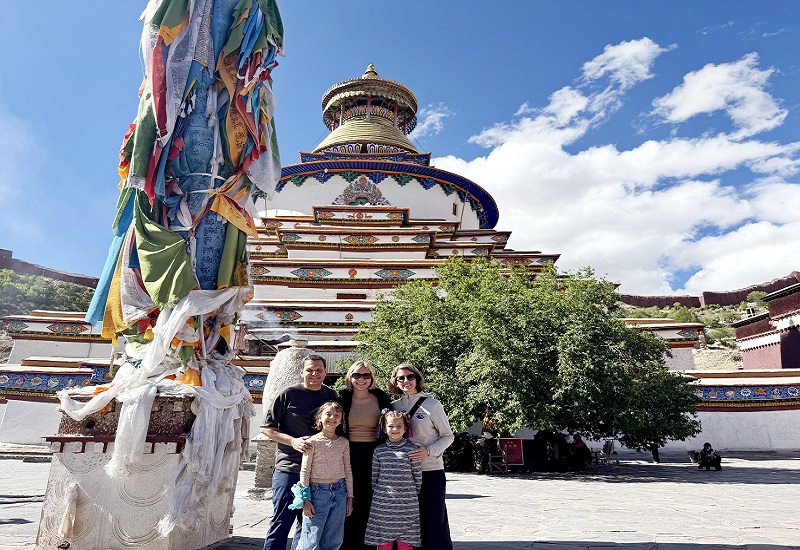
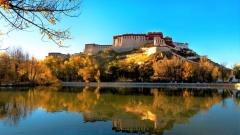
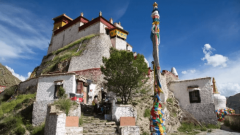
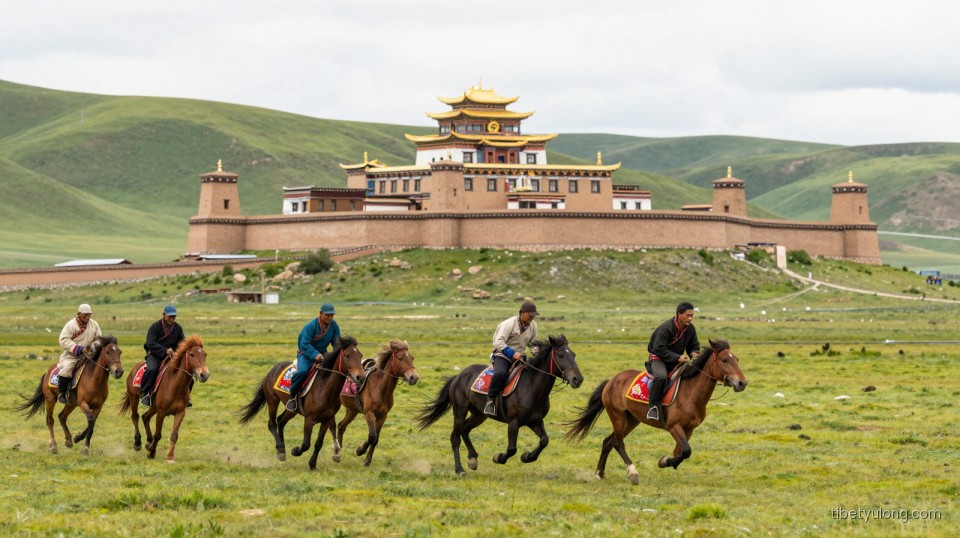
The festivities unfold in the wide-open spaces near Gyantse town, located in the Shigatse prefecture of the Tibet Autonomous Region. The backdrop of the imposing Gyantse Dzong (fortress) and the white stupa of Palcho Monastery provides a dramatic and photogenic setting for the events. Because the dates shift slightly each year based on the lunar calendar, travelers must verify the exact schedule before finalizing their itineraries. Arriving a day or two early is highly recommended, as the atmosphere builds gradually with the arrival of nomadic families setting up their campsites.
Equestrian Competitions and Traditional Sports
At the heart of the Horse Racing Festival are the breathtaking equestrian competitions that test the bond between rider and mount. These are not standard racetrack events; they take place on natural terrain, adding an element of unpredictability and raw excitement. The main races feature riders galloping at full speed across the grasslands, often dressed in brilliant traditional attire that flashes like moving jewels against the landscape.
Beyond straight racing, the festival showcases incredible feats of horsemanship. Riders perform acrobatic stunts, such as picking up white scarves (khatas) from the ground while leaning entirely off their saddles at a full gallop. Another crowd favorite is mounted archery, where competitors must shoot arrows at targets while riding at high speeds. This skill harkens back to the days when Tibetan warriors relied on precision and agility to defend their territories. The cheers of the spectators, the rhythmic pounding of hooves, and the sheer athleticism on display make the sporting events the undeniable highlight of the gathering.
Cultural Performances and Local Customs
While the horses command the field, the periphery of the Horse Racing Festival buzzes with equally captivating cultural activities. The event serves as a massive social hub where nomadic families reunite, trade goods, and celebrate their shared identity. Traditional Tibetan opera, known as Lhamo, is frequently performed, featuring elaborate masks, stylized movements, and stories drawn from Buddhist mythology and local folklore.
Folk dances are another integral component. Men and women form circles, linking arms and moving in synchronized steps to the sound of traditional stringed instruments and rhythmic drumming. These dances are participatory, and visitors who show respect and enthusiasm are sometimes warmly invited to join the outer circles. The clothing worn during these days is exceptionally ornate. Families bring out their finest heirlooms—heavy turquoise and coral jewelry, intricately woven chubas (traditional robes), and elaborately decorated hats—turning the festival grounds into an open-air exhibition of Tibetan textile art and craftsmanship.
Food, Drink, and the Festival Marketplace
No cultural gathering in Tibet is complete without its unique culinary offerings, and the Horse Racing Festival is a paradise for those willing to explore local flavors. The temporary marketplace that springs up around the event grounds is filled with vendors selling traditional foods. Tsampa, roasted barley flour mixed with butter tea, remains the staple energy source for both locals and travelers navigating the high altitude.
Visitors can sample yak meat dishes, momos (Tibetan dumplings filled with meat or vegetables), and various types of dried cheeses. Butter tea, rich and salty, is served constantly to ward off the chill that can creep in even during summer afternoons. For those looking for something stronger, chang (fermented barley beer) flows freely, fueling the celebratory mood as the sun sets over the valley. The market also features stalls selling prayer flags, incense, silver trinkets, and riding gear, providing excellent opportunities to purchase authentic souvenirs directly from local artisans.
Practical Travel Tips for Attending the Horse Racing Festival
Planning a trip to such a remote and culturally significant event requires careful preparation. Altitude is the primary consideration. Gyantse sits at roughly 4,000 meters above sea level. Travelers should spend several days acclimatizing in Lhasa or Shigatse before heading to the festival to minimize the risk of altitude sickness. Hydration, rest, and avoiding strenuous activity upon arrival are critical steps for a safe journey.
Accommodation in Gyantse ranges from basic guesthouses to slightly more comfortable hotels, but during the Horse Racing Festival, rooms fill up incredibly fast. Many attendees choose the more immersive route: camping alongside local families on the grasslands. If you opt for this, bringing a high-quality sleeping bag rated for cold temperatures is mandatory, as nighttime drops can be severe.
Navigating the logistics of permits, transportation, and cultural etiquette can be daunting for independent travelers. Engaging a specialized service like Tibet Yulong Travel can significantly streamline the process. They possess deep local knowledge, helping visitors secure necessary travel permits, arrange reliable transport across rugged roads, and find appropriate accommodations. Furthermore, experienced guides ensure that tourists interact respectfully with local customs, enhancing the overall experience while protecting the integrity of the traditions being celebrated.
Respecting local customs is paramount. Always ask permission before photographing individuals, particularly monks or elders. Walk clockwise around religious monuments and stupas, and refrain from pointing your feet toward sacred objects or people. By approaching the Horse Racing Festival with mindfulness and preparation, travelers do not merely watch a spectacle; they become respectful guests in one of the world’s most enduring cultural landscapes.