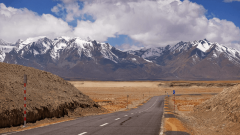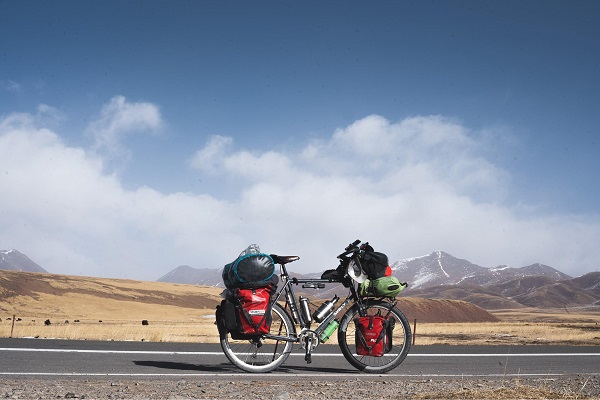

Traveling from the ancient capital of Xian to the sacred city of Lhasa is one of the most spectacular overland journeys on the planet. Taking the train from Xian to Lhasa allows travelers to witness the dramatic transformation of China’s landscapes, moving from the fertile plains of Shaanxi province into the rugged, snow-capped peaks of the Tibetan Plateau. This iconic railway adventure is not just a mode of transportation; it is an experience in itself, offering unparalleled views of remote wilderness, vast grasslands, and pristine lakes. Whether you are a seasoned backpacker or a comfort-seeking traveler, the train provides a unique way to reach Tibet while gradually adjusting to the high altitude.
Key Takeaways:
- The train journey takes approximately 30 to 34 hours.
- Soft sleeper cabins offer the best comfort for long-distance travel.
- Oxygen supply systems help passengers manage high altitudes.
- Advance ticket booking is highly recommended due to limited availability.
- The scenery drastically changes after passing through Xining.
Why Choose the Train from Xian to Lhasa?
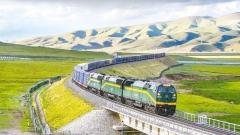
When planning a trip to Tibet, many travelers debate between flying and taking the train. While flying is undeniably faster, the train offers distinct advantages that make it the preferred choice for thousands of visitors every year. The primary reason to take the train from Xian to Lhasa is the gradual ascent. Flying directly into Lhasa, which sits at an elevation of over 3,600 meters, can trigger severe altitude sickness because the body has no time to adjust. The train, however, climbs progressively, giving your system valuable time to acclimatize as you traverse the Qinghai-Tibet Plateau.
Furthermore, the visual spectacle provided by the train route is unmatched. You will pass through diverse ecological zones, witnessing the transition from central Chinese agricultural lands to arid deserts, alpine meadows, and eventually the glacial landscapes of Tibet. It is a moving documentary of geography and culture. For photography enthusiasts and nature lovers, the panoramic windows of the train carriages provide a perfect frame for capturing wildlife, including Tibetan antelopes, wild yaks, and various migratory birds near the wetlands.
Understanding the Xian to Lhasa Train Route and Schedule
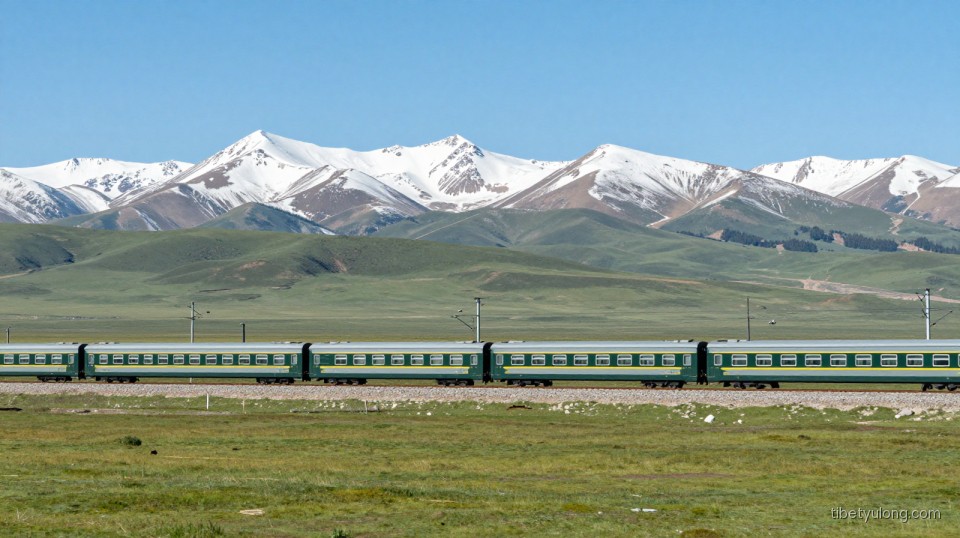
The railway connecting Xian to Lhasa is a vital segment of the broader Qinghai-Tibet Railway network. Trains departing from Xian Railway Station typically travel northwest through Gansu province before reaching Xining, which serves as the official starting point of the high-altitude Qinghai-Tibet Railway. From Xining, the tracks push upward across the Kunlun Mountains, through the Hoh Xil nature reserve, over the Tanggula Pass—the highest point on the railway at 5,072 meters—and down into the Tibetan Autonomous Region via Nagqu before finally arriving at Lhasa Railway Station.
Several train services operate on this route, usually running every day or every other day depending on the season. The total travel time generally ranges from 30 to 34 hours. Because the schedule involves traveling through both daylight and nighttime, the exact scenery you see depends heavily on your departure time. Some travelers prefer trains that cross the most scenic parts of the plateau, such as the Hoh Xil region and Cuona Lake, during daylight hours. It is essential to check the current timetables when planning your itinerary, as schedules can be adjusted by the railway authority based on seasonal demand and track maintenance.
How to Book Your Train Ticket
Securing a ticket for the train to Lhasa requires some advance planning, especially during the peak tourist seasons of summer and early autumn. Tickets usually go on sale 15 days before the departure date, and they sell out remarkably fast. Foreign passport holders cannot book these tickets directly through standard online platforms without specific documentation, which makes the process slightly more complex than domestic travel.
To ride the train to Tibet, foreign travelers must possess a valid Tibet Travel Permit. This permit is mandatory not only for entering Tibet but also for boarding the train. Therefore, most international visitors rely on specialized travel agencies to handle the logistics. Agencies like Tibet Yulong Travel are highly experienced in organizing these journeys. They can assist with securing the necessary permits, booking the correct class of train tickets, and arranging seamless transfers upon arrival in Lhasa. Working with professionals like Tibet Yulong Travel removes the stress of navigating bureaucratic requirements and ensures your travel documents are in perfect order before you step onto the platform.
When booking, you will need to choose between different seating classes. Hard seats are the most economical but are generally not recommended for a 30-hour journey. Hard sleepers offer open-plan bunks with six berths per compartment, providing basic comfort. However, the soft sleeper is widely considered the best option for the train from Xian to Lhasa. Soft sleeper compartments are enclosed, featuring four beds, a door for privacy, and a small table, making the long journey significantly more restful.
Onboard Facilities and What to Expect
Life aboard the train to Lhasa is surprisingly comfortable, thanks to modern engineering designed specifically for extreme environments. Once you board, you will notice that the carriages are pressurized, much like an airplane, to mitigate the effects of the thin air at high altitudes. Additionally, each carriage is equipped with a centralized oxygen enrichment system that pumps extra oxygen into the cabin once the train passes Golmud and begins its steep climb onto the plateau. Individual oxygen outlets are also available near every bed and seat, complete with disposable tubes, should any passenger feel the symptoms of altitude sickness.
Dining on the train is straightforward. There is a dedicated dining car that serves hot meals, primarily consisting of Chinese dishes like rice, stir-fried vegetables, and meat. However, the quality and variety might not satisfy everyone for a two-day trip. It is highly advisable to stock up on snacks, instant noodles, fruits, and beverages at the supermarkets inside Xian Railway Station before departure. Boiling water is freely available from dispensers at the end of each carriage, which is essential for making tea, coffee, or instant meals.
Hygiene facilities include washrooms at the ends of the cars. Soft sleeper carriages often have both squat and Western-style toilets, whereas hard sleeper sections may only feature squat toilets. The cleanliness is maintained regularly by the onboard staff, but bringing your own toilet paper, wet wipes, and hand sanitizer is a practical necessity. Power outlets are available, though they are limited in number. In soft sleeper cabins, there is usually one shared outlet inside the compartment, so bringing a portable power bank is a smart move to keep your devices charged throughout the journey.
Preparing for Altitude and Health on the Train
Even with the train’s advanced oxygen supply systems, the journey to Lhasa still involves significant exposure to high altitudes. As the train crosses the Tanggula Pass, the exterior elevation exceeds 5,000 meters. While the interior pressure is regulated, some passengers may still experience mild headaches, shortness of breath, or fatigue. To minimize discomfort, it is crucial to stay hydrated, avoid alcohol, and refrain from strenuous physical activity while on board.
Rest is your best ally during the train ride. Sleeping as much as possible helps the body conserve energy and adapt to the changing atmospheric conditions. If you have a history of cardiovascular or respiratory issues, consulting a doctor before embarking on the train journey is strongly advised. Some travelers take preventative altitude medication, such as acetazolamide, starting a day or two before departure, but this should only be done under professional medical guidance.
Scenic Highlights Along the Railway
The true magic of taking the train from Xian to Lhasa lies in the ever-changing window views. After leaving the historical landscapes of Shaanxi, the route enters the vast, arid expanses of Gansu and Qinghai. The first major geographical milestone is Qinghai Lake, China’s largest inland saltwater lake, which often appears as a shimmering blue ribbon on the horizon.
Once the train departs from Xining and heads toward Golmud, the terrain becomes noticeably harsher and more dramatic. The Qaidam Basin reveals stark desert landscapes dotted with salt lakes. The most breathtaking section begins after Golmud, where the train officially ascends the Qinghai-Tibet Plateau. Here, you will cross the Kunlun Mountain range, passing through tunnels carved directly into the rock.
The stretch through the Hoh Xil Nature Reserve is arguably the highlight for wildlife watchers. This uninhabited, protected area is home to the Tibetan antelope, and if you are lucky, you can spot herds grazing near the tracks. Further along, the train rolls past Tuotuo River, recognized as the source of the Yangtze River, before conquering the Tanggula Pass. Finally, as you descend into Tibet, the landscape softens into rolling green pastures, nomadic tents, and the stunning reflections of Cuona Lake, signaling that your arrival in Lhasa is imminent.
Arrival in Lhasa and Next Steps
Pulling into Lhasa Railway Station marks the end of an unforgettable transit and the beginning of your Tibetan exploration. The station itself is an architectural marvel, blending traditional Tibetan design elements with modern infrastructure. Upon disembarking, you will immediately feel the crisp, thin mountain air. It is important to move slowly and avoid rushing, even if you feel energetic after resting on the train.
Your pre-arranged guide or driver, often coordinated through services like Tibet Yulong Travel, will typically be waiting outside the station to transfer you to your hotel. The first day in Lhasa should be dedicated entirely to rest and gentle acclimatization. Avoid showering immediately upon arrival to prevent catching a cold, which can complicate altitude adjustment. Drink plenty of water, eat light meals, and allow your body to synchronize with the 3,600-meter elevation before setting out to explore the Potala Palace, Jokhang Temple, and the vibrant Barkhor Street.
Taking the train from Xian to Lhasa is far more than a logistical choice; it is a transformative travel experience. The combination of engineering marvels, breathtaking natural beauty, and cultural anticipation makes this railway journey one of the greatest adventures available to modern travelers. With proper preparation, the right tickets, and an adventurous spirit, the rails connecting Xian to the roof of the world will deliver memories that last a lifetime.