Standing as the roof of the world, the Himalayan Mountains stretch across five countries in Asia, offering some of the most breathtaking landscapes on Earth. From snow-capped peaks piercing the clouds to deep valleys carved by ancient glaciers, this mountain range is a destination unlike any other. Whether you are an experienced mountaineer or a curious traveler seeking cultural immersion, the Himalayas provide an unforgettable experience.
Key Highlights:
- Home to the highest peaks on Earth, including Mount Everest.
- Diverse ecosystems ranging from subtropical forests to alpine tundra.
- Rich cultural heritage deeply rooted in Tibetan Buddhism and Hinduism.
- World-renowned trekking routes suitable for various skill levels.
- Unique wildlife including snow leopards and red pandas.

The Geography and Formation of the Himalayan Mountains
The geological story of the Himalayan Mountains began tens of millions of years ago when the Indian tectonic plate collided with the Eurasian plate. This massive collision pushed the earth’s crust upward, creating a continuous arc of towering peaks that spans approximately 2,400 kilometers. The range arcs through Pakistan, India, Nepal, Bhutan, and the Tibet Autonomous Region of China.
This ongoing tectonic activity means the mountains are still rising slightly each year, making the region geologically dynamic. The range is generally divided into three parallel belts: the Greater Himalayas, which contain the highest peaks like Mount Everest (8,848.86 meters) and Kanchenjunga; the Lesser Himalayas, known for lush hill stations and deep gorges; and the Outer Himalayas or Siwalik Hills, which form the southernmost foothills bordering the Indo-Gangetic Plain.
Understanding this geography is essential for travelers. The vast elevation changes mean that weather conditions can shift dramatically within a single day. A morning hike might start in a humid, subtropical forest and end on a freezing, windswept ridge. This extreme topography dictates everything from packing lists to itinerary planning, ensuring that no two days in the mountains feel exactly the same.
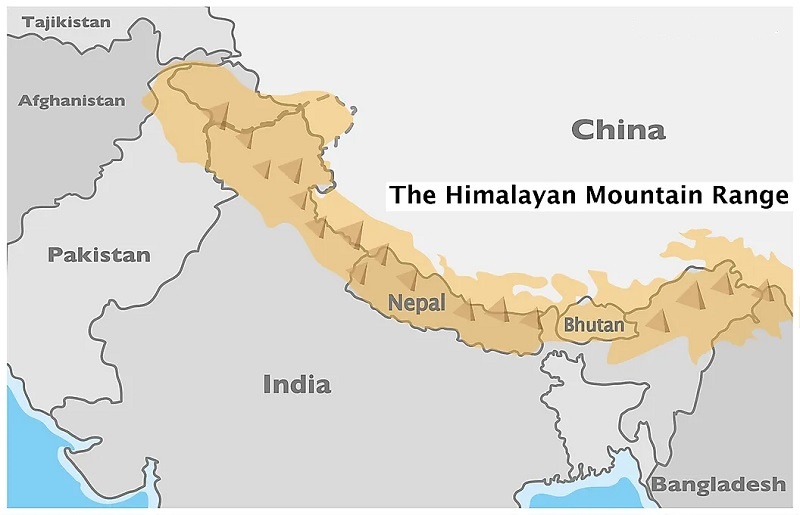
Countries Surrounding the Himalayas
Iconic Trekking Routes in the Himalayan Mountains
For outdoor enthusiasts, trekking in the Himalayan Mountains is often considered a bucket-list achievement. The sheer variety of trails ensures there is something for everyone, from casual day hikers to hardcore mountaineers preparing for summit pushes. Nepal is arguably the most popular hub for trekking, largely due to its well-established infrastructure and welcoming tea house culture along major routes.
The Everest Base Camp trek remains one of the most famous journeys in the world. Starting typically from Lukla, trekkers walk through Sherpa villages, cross suspension bridges draped in prayer flags, and gradually ascend into the high-altitude Khumbu region. The reward is standing at the base of the world’s highest peak, surrounded by an amphitheater of jagged ice and rock. Acclimatization is critical here, and itineraries usually span around twelve to fourteen days to allow the body to adjust safely to the thinning air.
Another spectacular option is the Annapurna Circuit, which offers a more diverse ecological experience. Trekkers pass through terraced rice paddies, dense rhododendron forests, and eventually cross the Thorong La Pass at over 5,400 meters before descending into the arid, Tibetan-influenced landscapes of the Mustang region. For those seeking solitude away from the busier trails, the Manaslu Circuit provides a rugged, less commercialized alternative with equally stunning scenery.
In India, regions like Ladakh and Himachal Pradesh offer distinct trekking experiences. The Markha Valley trek in Ladakh takes hikers through stark, moon-like landscapes dotted with ancient Buddhist monasteries, while the Roopkund trek in Uttarakhand leads to a mysterious glacial lake. Regardless of the route chosen, hiring local guides not only enhances safety but also supports the regional economy directly.
Cultural Heritage and Local Communities
The human element of the Himalayan Mountains is just as compelling as the physical landscape. The range acts as a natural barrier that has historically protected unique cultures, allowing them to develop distinct traditions, languages, and spiritual practices over centuries. Tibetan Buddhism heavily influences the northern slopes and high valleys, evident in the fluttering prayer flags, spinning prayer wheels, and intricately painted monasteries perched on cliff edges.
Communities such as the Sherpas in Nepal are globally recognized for their mountaineering expertise, but their culture extends far beyond guiding expeditions. Their daily life revolves around agriculture, yak herding, and religious festivals like Dumji and Mani Rimdu, which feature masked dances and communal gatherings. In the western Himalayas, Hinduism blends with animist traditions, creating a rich tapestry of beliefs where rivers, mountains, and forests are revered as sacred entities.
When traveling through these regions, respecting local customs is paramount. Dressing modestly, asking permission before photographing locals, and walking clockwise around stupas and mani walls are simple ways to show respect. Many remote villages rely on tourism as a primary source of income, making responsible travel practices essential for preserving their way of life.
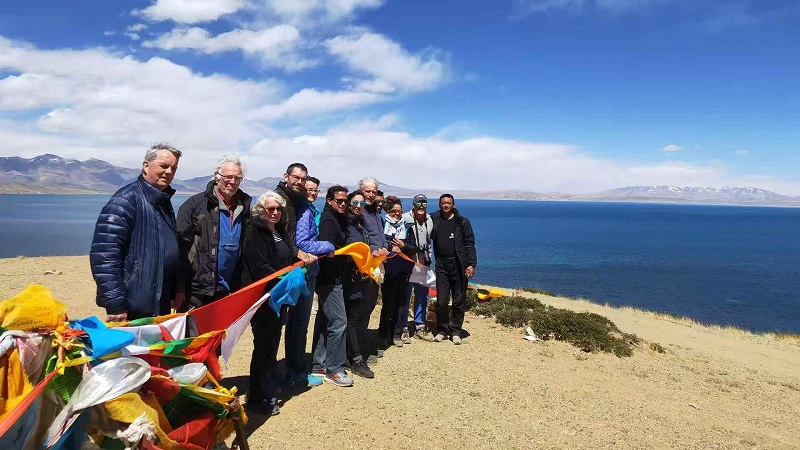
For travelers looking to explore the eastern stretches of the range, particularly the culturally rich areas of Tibet, specialized agencies can make a significant difference. Tibet Yulong Travel is known for helping visitors navigate the complex logistics of high-altitude exploration in this region. By utilizing services like Tibet Yulong Travel, adventurers can gain deeper access to remote monasteries, pristine lakes, and authentic nomadic communities while ensuring all necessary permits and local regulations are handled professionally.
Biodiversity and Wildlife Conservation
The dramatic elevation gradients of the Himalayan Mountains create a series of distinct ecological zones, each harboring specialized flora and fauna. The lower foothills are blanketed in subtropical broadleaf forests, home to langur monkeys, vibrant bird species, and dense undergrowth. As you climb higher, these transition into temperate forests dominated by oak, pine, and rhododendron, which burst into brilliant colors during the spring blooming season.
Above the tree line, the alpine meadows give way to barren rock and permanent ice. Despite the harsh conditions, wildlife thrives here. The elusive snow leopard is the apex predator of these high altitudes, perfectly adapted to the cold and steep terrain. Spotting one is incredibly rare, but conservation efforts have helped stabilize their populations in several protected reserves. Other notable mammals include the Himalayan tahr, blue sheep, musk deer, and the adorable red panda, which inhabits the dense bamboo forests of the eastern range.
Conservation is an ongoing challenge. Climate change is causing glaciers to retreat at unprecedented rates, threatening the water supply for billions of people downstream and altering habitats for endemic species. Overgrazing and poaching also pose risks. Fortunately, numerous national parks and conservation areas—such as Sagarmatha National Park in Nepal and the Great Himalayan National Park in India—work to protect these fragile ecosystems. Eco-conscious travelers can contribute by sticking to marked trails, carrying out all waste, and supporting conservation-focused lodges.
Practical Travel Tips for Visiting the Himalayan Mountains
Planning a trip to the Himalayan Mountains requires careful preparation, primarily due to the extreme environments and logistical hurdles involved. Timing your visit correctly is the first crucial step. The pre-monsoon spring months and the post-monsoon autumn period generally offer the clearest skies, stable weather, and best visibility for mountain views. Winter brings heavy snowfall that closes many high passes, while the summer monsoon results in frequent landslides and obscured peaks.
Altitude sickness, or acute mountain sickness, is a serious risk for anyone ascending above 2,500 meters. Symptoms include headaches, nausea, dizziness, and shortness of breath. The golden rule of Himalayan trekking is to ascend slowly, allowing your body time to acclimatize. Climbing no more than 300 to 500 meters in sleeping altitude per day once above 3,000 meters is widely recommended. Staying hydrated, avoiding alcohol at high elevations, and knowing when to descend if symptoms worsen are vital safety practices.
Packing appropriately makes the difference between a miserable trip and a comfortable adventure. Layering is essential because temperatures fluctuate wildly between sun and shade, day and night. A moisture-wicking base layer, an insulating mid-layer like fleece or down, and a waterproof outer shell form the core of any mountain wardrobe. Sturdy, broken-in hiking boots, UV-protection sunglasses, and high-SPF sunscreen are non-negotiable items.
Finally, securing the correct permits is mandatory. Different regions require specific documentation, ranging from standard trekking permits to restricted area passes for border zones. Working with reputable local operators simplifies this process immensely. They handle the bureaucratic requirements, arrange transportation on winding mountain roads, and provide experienced staff who understand the nuances of navigating the Himalayan Mountains safely and responsibly.