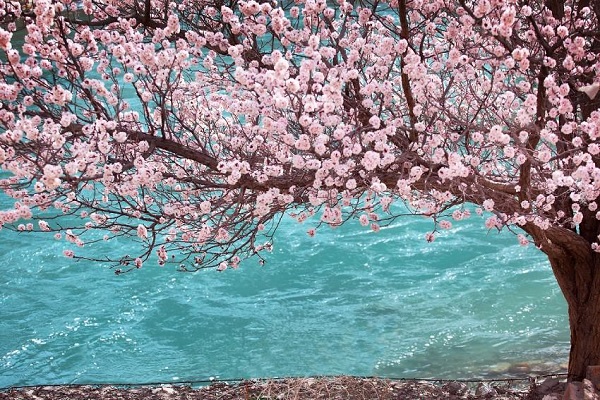
Tucked away in the southeastern corner of Tibet, Motuo (also known as Medog) is a destination that feels like it belongs to another world. Unlike the arid, high-altitude plateaus most travelers associate with Tibet, this region is a lush, subtropical paradise draped in dense forests, roaring waterfalls, and deep river gorges. For decades, it was famously known as the last county in China without a road connecting it to the outside world, accessible only by grueling multi-day treks over snow-capped passes. While a highway has since opened, the spirit of adventure remains deeply embedded in its identity. A journey here is not merely a vacation; it is an expedition into one of the most isolated and biologically diverse ecosystems on the planet. Whether you are drawn by the spiritual significance of its Buddhist sites or the raw thrill of Himalayan trekking, preparing properly is essential before setting foot in this remote sanctuary.
Key Takeaways:
- Best visited during spring or autumn months.
- Foreign travelers must secure specific border permits.
- The classic trek involves crossing the Duoxiong La pass.
- Pack for both freezing altitudes and humid valleys.
- Hiring local guides significantly improves safety and experience.
Understanding the Geography and Climate of Motuo
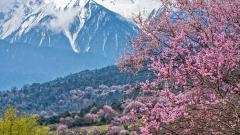
To truly appreciate a trip here, you must first understand the dramatic topography that defines the region. Situated within the great bend of the Yarlung Tsangpo River, the landscape drops precipitously from the icy heights of the Himalayas down to elevations of just a few hundred meters above sea level. This extreme vertical relief creates a unique microclimate where tropical vegetation thrives mere miles away from permanent glaciers. When planning your Motuo travel itinerary, recognizing these climate zones is crucial for packing and route selection.
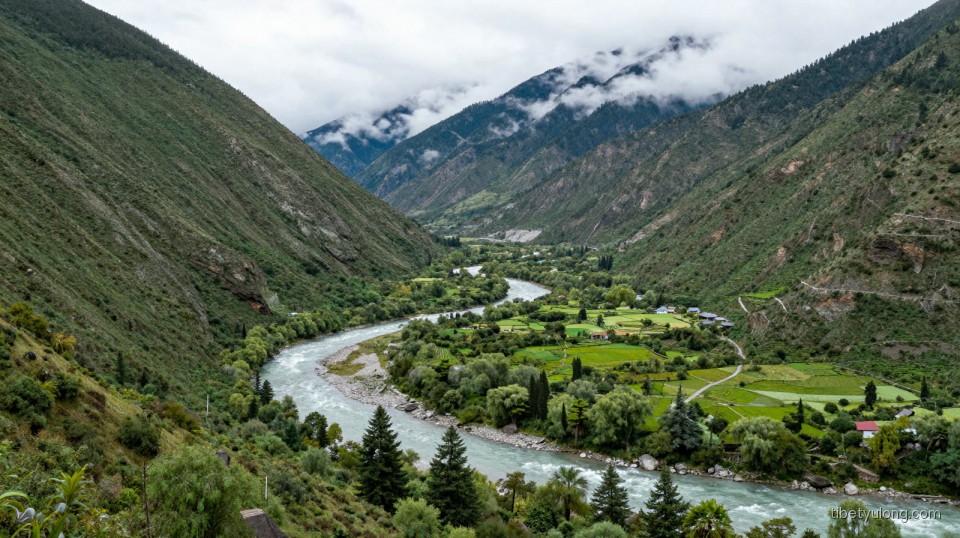
The weather patterns are heavily influenced by the Indian Ocean monsoon, which funnels moisture up the river gorge. As a result, the lower valleys receive abundant rainfall, nurturing thick jungles filled with leeches, rare orchids, and towering ferns. Higher up, near the mountain passes, conditions can shift rapidly from clear skies to blinding snowstorms. The optimal window for visiting generally falls between April and May, or September and November. During these transitional seasons, the heavy summer rains have either not yet begun or have finally subsided, making the trails more navigable and the mountain views clearer. Winter brings heavy snow that blocks the high passes entirely, while summer introduces risks of landslides and swollen rivers.
Essential Permits and Preparation for Your Motuo Journey
Because of its proximity to international borders and its status as a protected ecological zone, entering this area requires careful bureaucratic navigation. Chinese nationals need a Border Defense Permit, which can typically be arranged in Lhasa or Nyingchi. For foreign travelers, the requirements are much stricter. Independent travel is generally not permitted anywhere in the Tibet Autonomous Region, and this remote county is no exception. You must be part of an organized tour and hold a Tibet Travel Permit alongside an Alien Travel Permit and a Military Border Permit.
Navigating these regulations can be daunting, which is why many adventurers choose to work with specialized agencies. Operators such as Tibet Yulong Travel have extensive experience in arranging the complex logistics required for expeditions into restricted areas. They handle the permit applications, coordinate with local authorities, and provide experienced drivers and guides who know the terrain intimately. Relying on professional support not only ensures legal compliance but also provides a critical safety net in a region where medical facilities are basic and communication networks can be unreliable.
Physical preparation is equally important. If you plan to undertake the traditional trek rather than driving the newly constructed highway, you need excellent cardiovascular fitness and prior experience with high-altitude hiking. Acclimatization in Lhasa or Nyingchi for several days before attempting the journey is mandatory to prevent altitude sickness. Your gear list should reflect the dual nature of the environment: waterproof jackets, sturdy trekking boots with aggressive tread, gaiters to keep out leeches in the lower jungle, and thermal layers for the freezing nights at higher camps.
The Classic Motuo Trekking Route
While modern infrastructure has brought a paved road into the valley, the traditional trekking route remains the definitive way to experience the raw beauty of Motuo. The classic path usually begins in Pai Village, located near the base of Mount Namcha Barwa, and takes three to four days to complete. It is a journey of stark contrasts, testing your endurance while rewarding you with some of the most spectacular scenery in Asia.
The first day involves a steep ascent toward the Duoxiong La pass, which sits at an elevation of over 4,200 meters. Even in late spring, this section is often covered in deep snow. Trekkers must start early in the morning to cross the pass before afternoon clouds roll in and obscure the trail. The descent on the other side leads into Hanmi, a small settlement that serves as the first night’s resting point. Here, the air noticeably warms, and the alpine scrub gives way to the beginnings of a forested landscape.
The second day pushes deeper into the gorge, descending through increasingly dense vegetation. This leg is notorious for its muddy trails, relentless rain showers, and the presence of leeches. Hikers cross numerous suspension bridges swaying over turbulent glacial streams. The destination for the night is often Beibeng or a similar village, where the transition to a subtropical climate is fully realized. Banana trees and bamboo groves replace the pines and rhododendrons of the higher elevations.
The final stages of the trek bring you to the county seat itself. Walking into town after days of grueling effort feels like arriving in a hidden Shangri-La. The sense of accomplishment is palpable, shared among the weary travelers and the local Monba and Lhoba people who have called this isolated valley home for generations.
Cultural Encounters and Local Life
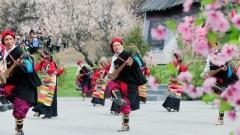
Beyond the physical challenge, exploring this region offers a profound cultural immersion. The primary inhabitants are the Monba and Lhoba ethnic groups, whose traditions, languages, and lifestyles differ significantly from those of central Tibet. Their architecture reflects the wet climate, with houses built on wooden stilts featuring sloping roofs designed to shed heavy rainfall. Agriculture here focuses on crops suited to the warm, damp environment, including rice, corn, and various tropical fruits, contrasting sharply with the barley-dominated diet of the high plateau.
Spiritual life is deeply intertwined with the natural landscape. In Tibetan Buddhism, this area is considered a “hidden land” or beyul—a sacred refuge blessed by Guru Rinpoche, meant to shelter practitioners during times of turmoil. The Renqingbeng Temple, perched on a hillside overlooking the river, is one of the most significant pilgrimage sites in the region. Visiting such places requires deep respect; always ask permission before photographing locals or religious ceremonies, and walk clockwise around stupas and temples.
Culinary experiences here are unique. You might be offered locally brewed rice wine or dishes incorporating wild ferns, bamboo shoots, and chili peppers. The food is hearty, designed to replenish energy lost on the trails. Engaging with the community, even through limited language barriers, adds a layer of warmth and humanity to the rugged physical journey.
Practical Tips for Navigating Motuo Safely
Safety should be the guiding principle of any expedition into this wilderness. The terrain is unforgiving, and the weather is highly unpredictable. Always travel with a knowledgeable local guide who understands the subtle signs of changing weather and knows the safest river crossings. Trails can wash out overnight due to heavy rain, requiring quick rerouting that only an experienced eye can manage.
Health precautions are vital. In the lower elevations, insect-borne illnesses and leech bites are genuine concerns. Treat all clothing with permethrin before your trip, tuck your pants into your socks, and carry salt or a lighter to remove leeches if they attach. Water purification is non-negotiable; never drink directly from streams, no matter how clear they appear, as agricultural runoff and animal waste can contaminate sources.
Finally, embrace the philosophy of slow travel. Do not rush the itinerary. Allow your body time to adjust to the rapid changes in altitude and temperature. Carry extra days in your schedule as a buffer against unexpected delays caused by landslides or storms. By respecting the power of the environment and preparing meticulously, your adventure will be remembered not for its hardships, but for the unparalleled beauty of reaching one of the earth’s last true frontiers.