
Traveling across the roof of the world is no longer just a dream reserved for extreme mountaineers. The Qinghai Tibet Railway has transformed the way explorers experience the vast, breathtaking landscapes of the Tibetan Plateau. Connecting Xining in Qinghai Province to Lhasa in the Tibet Autonomous Region, this engineering marvel stretches over 1,956 kilometers through some of the most remote and stunning terrains on Earth. For many travelers, taking this railway is not merely a mode of transportation; it is the destination itself. The journey offers a gradual ascent, allowing passengers to acclimatize to high altitudes while gazing out at snow-capped peaks, endless grasslands, and crystal-clear lakes. Whether you are a seasoned adventurer or a first-time visitor to China, understanding how to navigate this incredible railway will ensure your trip is safe, comfortable, and deeply memorable.
Key Takeaways:
- The railway spans 1,956 km from Xining to Lhasa.
- Trains feature oxygen supply systems for passenger comfort.
- The route passes Tanggula Pass, the highest railway point globally.
- Advance ticket booking is essential due to high demand.
- Gradual altitude gain helps reduce altitude sickness risks.

The History and Engineering Behind the Qinghai Tibet Railway
The concept of building a railway into Tibet was discussed for decades before it became a reality. The harsh environment, characterized by permafrost, low oxygen levels, and extreme temperature fluctuations, made construction seem nearly impossible. However, the project officially began its modern phase in the early 2000s, with the Golmud to Lhasa section being the most challenging part of the entire route. Engineers had to devise innovative solutions to lay tracks over continuous permafrost, which could melt and destabilize the ground during warmer months. They utilized techniques such as installing thermosyphons to keep the ground frozen and elevating tracks on gravel embankments to allow cold air circulation beneath them.
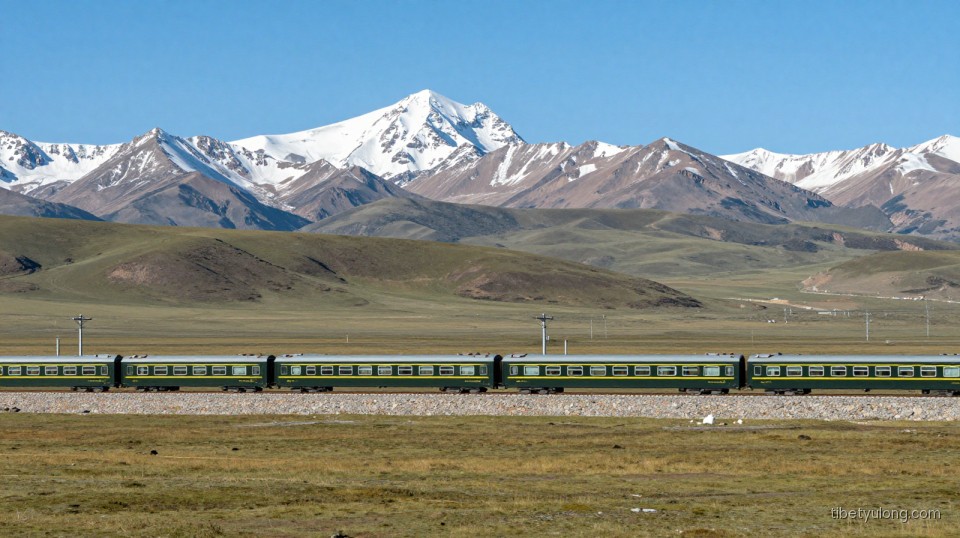
When the railway finally opened to the public, it shattered multiple world records. It stands as the highest and longest plateau railway ever built. More than 960 kilometers of the track sit above 4,000 meters in elevation, and the highest point reaches a staggering 5,072 meters at Tanggula Pass. This railway represents a monumental achievement in human engineering, bridging the gap between isolated high-altitude communities and the rest of the country while opening up unparalleled tourism opportunities.
Planning Your Journey on the Railway
Planning a trip on this railway requires more preparation than a standard train ride. First and foremost, foreign travelers must obtain a Tibet Travel Permit before boarding any train bound for Lhasa. This permit cannot be applied for individually; it must be arranged through a registered travel agency as part of an organized tour. Chinese citizens also need specific documentation depending on their destination within the region. Because of these requirements, working with experienced operators like Tibet Yulong Travel can significantly streamline the process. They handle the complex logistics of permit applications, itinerary planning, and local guide arrangements, ensuring that your focus remains on enjoying the spectacular scenery rather than worrying about paperwork.
Ticket availability is another crucial factor. Trains running along this railway are incredibly popular, especially during the peak tourist season from May to October. Tickets often sell out weeks or even months in advance. There are three main classes available: hard seat, hard sleeper, and soft sleeper. For a journey that takes roughly 21 to 24 hours from Xining to Lhasa, a soft sleeper is highly recommended. Soft sleeper cabins offer four beds with a closing door, providing privacy and a quieter environment. Hard sleepers have six open berths, which are more economical but less comfortable for long durations. Hard seats are generally not advised for the full journey due to the length and altitude.
Scenic Highlights Along the Railway Route
The true magic of riding this railway lies in what you see outside your window. Shortly after departing Xining, the train skirts the edge of Qinghai Lake, China’s largest inland saltwater lake. The deep blue waters contrast sharply with the surrounding golden rapeseed fields in summer and the distant snowy mountains, creating a picturesque panorama that sets the tone for the rest of the trip.
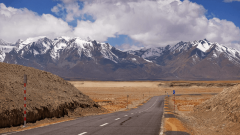
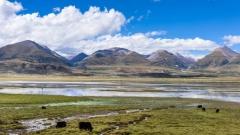
As the train continues westward, it enters the desolate yet beautiful Qaidam Basin. Here, the landscape shifts to arid deserts, salt flats, and rugged rock formations. Passing through Golmud, the train begins its steep ascent onto the Tibetan Plateau proper. This is where the scenery becomes truly otherworldly. You will cross the Kunlun Mountains, passing through tunnels carved directly into ancient rock.
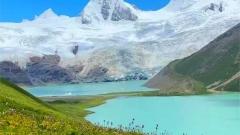
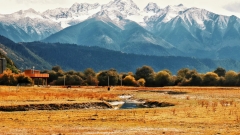
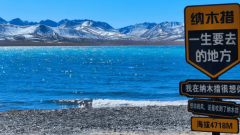
One of the most anticipated moments is crossing the Hoh Xil nature reserve. This uninhabited wilderness is home to rare wildlife, including the Tibetan antelope. If you are lucky and observant, you might spot herds of these graceful animals grazing near the tracks. Further along, the train climbs over the Tanggula Pass. At over 5,000 meters, looking out at the glaciers and frozen tundra from the warmth of your cabin feels almost surreal. Finally, as the train descends toward Lhasa, the landscape softens into lush river valleys, traditional Tibetan villages, and the sparkling waters of the Cuona Lake, signaling that the holy city is near.
Onboard Experience and Facilities of the Railway Train
Traveling at extreme altitudes presents unique challenges for the human body, and the trains operating on this railway are specially designed to mitigate them. Every carriage is equipped with an advanced oxygen supply system. There are two types of oxygen delivery: a centralized system that pumps enriched oxygen into the cabin air to maintain a comfortable atmospheric level, and individual oxygen outlets located near each berth or seat. Passengers who feel lightheaded or short of breath can plug in a provided tube to receive supplemental oxygen directly.
The trains also feature pressurized cabins similar to those found in commercial aircraft, which helps prevent altitude sickness during rapid ascents. Despite these technological comforts, it is still advisable to rest, stay hydrated, and avoid strenuous movement inside the train during the highest sections of the journey.
Dining on board is straightforward. Each train has a dining car serving hot meals, primarily featuring Chinese cuisine such as rice dishes, noodles, stir-fried vegetables, and soups. While the food is adequate, many seasoned travelers prefer to bring their own snacks, instant noodles, fruits, and plenty of bottled water from Xining. Boiling water dispensers are available at the end of each carriage, making it easy to prepare tea or instant meals throughout the day and night. Restrooms vary by class, with soft sleeper cars typically offering cleaner, more accessible washroom facilities compared to hard seat carriages.
Essential Tips for Riding the High-Altitude Railway
To make the most of your experience on this remarkable railway, a few practical tips can go a long way. Acclimatization is key. Spending a day or two in Xining, which sits at around 2,200 meters, before boarding the train allows your body to start adjusting to thinner air. This gradual increase in elevation is one of the primary reasons why taking the train into Tibet is often preferred over flying directly into Lhasa, which sits at 3,650 meters.
Pack layers. Even in the middle of summer, temperatures on the plateau can drop below freezing at night, while the sun shining through the train windows during the day can make the cabin feel quite warm. Comfortable clothing, a good jacket, sunglasses, and sunscreen are absolute necessities. The UV radiation at high altitudes is intense, and the glare from the snow and lakes can be harsh on the eyes.
Keep your electronics charged. Power outlets are available in sleeper cabins, but they may be limited or shared. Bringing a portable power bank ensures your camera or phone is always ready to capture the fleeting moments of wildlife or sudden shifts in weather that define plateau travel. Lastly, embrace the pace. This railway journey is not about rushing to a destination; it is about witnessing one of the planet’s most formidable landscapes unfold slowly before your eyes. Engaging with local guides or utilizing services from agencies like Tibet Yulong Travel upon arrival in Lhasa ensures that the momentum of your incredible train journey carries seamlessly into a well-organized exploration of Tibet’s rich cultural heritage and natural wonders.