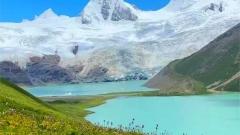

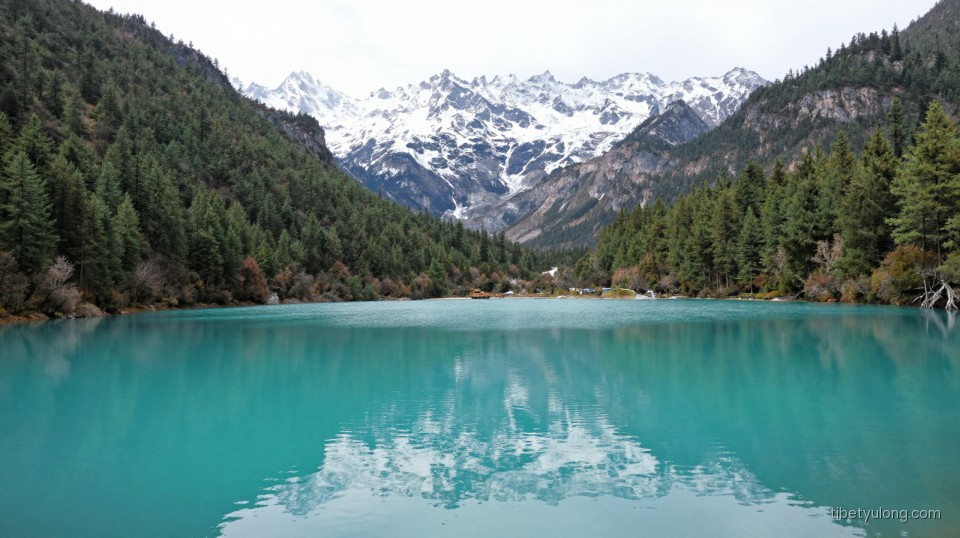
Nestled deep within the majestic mountains of eastern Tibet, Ranwu Lake stands as one of the most breathtaking natural wonders on the plateau. Known locally as Cuowu Lake, this stunning alpine body of water sits at an elevation of approximately 3,850 meters in Bomi County, Nyingchi Prefecture. Unlike many high-altitude lakes that are stark and barren, Ranwu Lake is surrounded by lush forests, towering snow-capped peaks, and massive glaciers, creating a landscape that feels almost otherworldly. It serves as a vital highlight along the famous Sichuan-Tibet Highway, drawing photographers, adventurers, and nature lovers from across the globe. The lake’s color shifts dramatically depending on the season and weather, ranging from deep turquoise to milky blue, reflecting the pristine environment of the Tibetan plateau. For anyone planning a journey through eastern Tibet, experiencing the beauty of Ranwu Lake is an absolute necessity.
Key Highlights:
- Ranwu Lake sits at 3,850 meters above sea level.
- The lake features distinct upper, middle, and lower sections.
- Surrounded by ancient glaciers and dense alpine forests.
- Best visited during autumn for spectacular foliage.
- Accessible via the scenic Sichuan-Tibet Highway.
Understanding the Geography and Beauty of Ranwu Lake
To truly appreciate Ranwu Lake, one must understand its unique geological formation. The lake was created thousands of years ago when a massive landslide blocked a local river valley, forming a natural dam that eventually filled with glacial meltwater. Today, it stretches over 20 kilometers in length, making it one of the largest freshwater lakes in the region. What makes Ranwu Lake particularly fascinating is how it is naturally divided into three distinct sections: Upper Ranwu, Middle Ranwu, and Lower Ranwu. Each section possesses its own character, depth, and visual appeal.
Upper Ranwu is situated closest to the glacier sources. The water here often appears milky or pale blue due to the high concentration of mineral-rich rock flour carried down by melting ice. Middle Ranwu acts as a transitional zone where the water begins to clear, while Lower Ranwu boasts the deepest, most vibrant shades of emerald and sapphire blue. This lower section is heavily forested, with tall spruce and fir trees plunging their roots right up to the water’s edge. When the wind dies down, the surface of Ranwu Lake becomes a perfect mirror, reflecting the surrounding Parlung Tsangpo river valley and the distant snowy summits with startling clarity.
The ecological diversity around the lake is remarkable. Because Bomi County receives more rainfall than western Tibet, the area supports rich vegetation. Birdwatchers can spot various migratory species resting near the shores, while the surrounding forests are home to rare wildlife. This combination of glacial geology and abundant life is what elevates Ranwu Lake far beyond a standard tourist stop; it is a living, breathing ecosystem.
The Best Time to Visit Ranwu Lake
Choosing the right season to visit Ranwu Lake will completely define your experience. While the destination is accessible for much of the year, each season paints the landscape in entirely different colors.
Autumn is widely considered the premier season for visiting Ranwu Lake. From late September through November, the surrounding forests erupt into brilliant shades of gold, crimson, and burnt orange. The contrast between the fiery deciduous leaves, the dark green conifers, the white glaciers, and the vivid blue water creates a photographer’s paradise. During these months, the skies are generally clear, offering unobstructed views of the mountain peaks.
Spring and summer bring a different kind of magic. As the snow melts, the volume of water feeding into Ranwu Lake increases significantly. The landscape turns incredibly lush and green. However, summer also coincides with the monsoon season in eastern Tibet, meaning cloud cover and rain showers are frequent. While the mist rolling off the lake adds a mystical atmosphere, it can sometimes obscure the panoramic mountain views. Spring offers a balance, with blooming rhododendrons adding splashes of pink and purple to the hillsides.
Winter transforms Ranwu Lake into a frozen wonderland. The temperatures drop well below freezing, and parts of the lake may develop thick ice layers. The crowds disappear entirely, leaving a silent, pristine world of white and blue. However, winter travel requires careful preparation, as heavy snowfall can occasionally make the access roads challenging to navigate.
How to Get to Ranwu Lake
Reaching Ranwu Lake is an adventure in itself, as there are no direct flights or trains to the lake’s shores. It is located along National Highway 318, the legendary southern route of the Sichuan-Tibet Highway. Most travelers arrive by road, either driving themselves, hiring a private vehicle, or joining an organized tour.
The nearest major town is Rawu Town, which sits just a few kilometers from the lake. From Lhasa, the capital of Tibet, the journey to Ranwu Lake covers roughly 900 kilometers and typically takes two to three days of driving, passing through incredible landscapes like the Yarlung Tsangpo Grand Canyon and the Serjila Mountain Pass. Alternatively, travelers starting from Chengdu in Sichuan Province will drive westward for several days, crossing numerous high-altitude passes before descending into the relatively lower elevation of Bomi County.
Because the roads traverse remote and rugged terrain, traveling with experienced local operators is highly recommended. Companies specializing in plateau travel, such as Tibet Yulong Travel, provide invaluable support for these journeys. Arranging transportation through professionals ensures that vehicles are suited for high-altitude conditions and that drivers are familiar with the unpredictable weather patterns along the highway. Whether you are looking for a customized private itinerary or joining a small group expedition, relying on established services like Tibet Yulong Travel helps mitigate the logistical challenges of reaching Ranwu Lake safely and comfortably.
Essential Travel Tips and Altitude Considerations
Traveling to Ranwu Lake means venturing into a high-altitude environment, and proper preparation is essential for a safe and enjoyable trip. At nearly 4,000 meters above sea level, altitude sickness is a genuine concern for visitors arriving from lower elevations.
Acclimatization should be your top priority. If you are flying into Lhasa first, spend a few days resting and adapting to the thin air before embarking on the long drive toward Ranwu Lake. Stay hydrated, avoid strenuous physical exertion upon arrival, and refrain from consuming alcohol during your first few days on the plateau. Carrying portable oxygen cylinders or consulting your doctor about altitude medication beforehand can provide peace of mind.
Packing appropriately is another crucial step. The weather near Ranwu Lake can change rapidly, even within a single day. Layered clothing is the best strategy. Bring a warm thermal base layer, a fleece or insulated mid-layer, and a windproof, waterproof outer shell. Even in summer, mornings and evenings near the lake can be surprisingly cold. Sturdy, comfortable walking shoes are necessary if you plan to explore the trails around the shoreline.
Respect for the local environment and culture is paramount. Ranwu Lake holds spiritual significance for local Tibetan communities. Visitors should never litter, disturb wildlife, or remove natural objects from the area. When interacting with locals or visiting nearby monasteries, always ask for permission before taking photographs and dress modestly.
Nearby Attractions Around Ranwu Lake
A trip to Ranwu Lake is rarely a standalone destination; it is usually part of a broader exploration of eastern Tibet’s natural wonders. Several world-class attractions are located within a short driving distance, making the area a treasure trove for nature enthusiasts.
The Midui Glacier is perhaps the most famous neighboring attraction. Located just a short detour from the main highway, it is one of the lowest-altitude glaciers in the world, with its ice tongue extending down into dense temperate forests. The sight of ancient blue ice resting against a backdrop of green trees is a rare geological phenomenon that perfectly complements a visit to Ranwu Lake.
Further along the route lies the Gangxiang Nature Reserve and the sweeping valleys of Bomi County, often referred to as the “Switzerland of Tibet” due to its dramatic alpine scenery. The Parlung Tsangpo River, which connects to the lake’s water system, offers thrilling views as it carves through deep gorges. Taking the time to explore these adjacent sites ensures that your journey through the region is as comprehensive and memorable as possible.
Whether you are captivated by the shifting colors of the water, the silence of the surrounding glaciers, or the vibrant autumn forests, Ranwu Lake delivers an experience that stays with you long after you have descended from the Tibetan plateau. Planning carefully, respecting the fragile ecosystem, and embracing the adventure of the journey will guarantee that your visit to this magnificent alpine lake is nothing short of extraordinary.