Traveling to Tibet alone is one of the most rewarding experiences a wanderer can undertake. The vast plateaus, ancient monasteries, and pristine lakes offer a sense of peace that is hard to find anywhere else on Earth. However, navigating this remote region by yourself requires careful planning and a solid understanding of local regulations. Whether you are drawn by the spiritual energy of Lhasa or the rugged landscapes of Mount Everest, going solo means you set your own pace. Yet, it also means you bear full responsibility for your safety and logistics. This article serves as A Guide for Solo Travelers who wish to explore the Tibetan plateau independently while staying safe and respecting local customs.
Key Takeaways:
- Secure your Tibet Travel Permit well in advance through a registered agency.
- Spend at least two to three days acclimatizing in Lhasa before heading to higher altitudes.
- Pack layered clothing, as temperature fluctuations between day and night are extreme.
- Respect local Buddhist customs by walking clockwise around religious sites.
- Consider joining small group tours for remote areas where solo travel is restricted.
Understanding the Regulations: A Guide for Solo Travelers Planning Permits
One of the first things you will realize when researching a trip to the plateau is that independent backpacking, in the traditional sense, is not permitted for foreign passport holders. To visit Tibet, all non-Chinese citizens must obtain a Tibet Travel Permit (TTP). You cannot apply for this permit directly; it must be arranged through a registered travel agency. While this might sound restrictive for someone wanting to travel to Tibet alone, it simply means your entry logistics must be handled professionally.
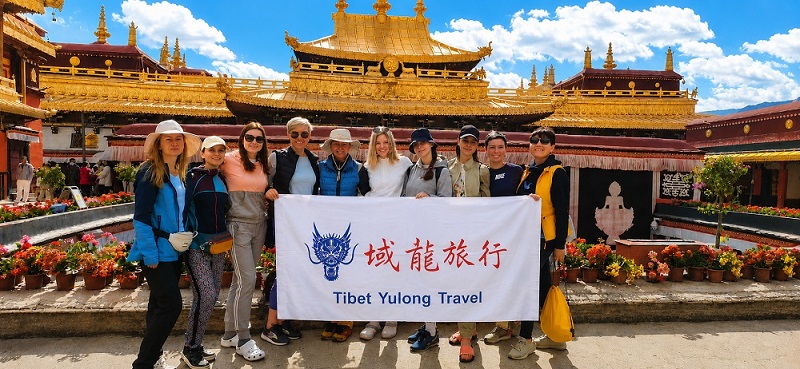
Agencies like Tibet Yulong Travel specialize in helping independent-minded tourists arrange these necessary documents without forcing them into massive, rigid tour buses. They can organize your permit, book your initial hotels, and arrange a private guide and driver, allowing you to maintain the feeling of a solo journey while complying with local laws. Once you have your TTP, you can board flights or trains heading into the region. Keep in mind that if you plan to visit restricted areas like Mount Kailash or Everest Base Camp, additional Alien Travel Permits and military permits will be required, which your agency will also coordinate.
Health and Altitude Preparation Before You Travel to Tibet Alone
Altitude sickness is the primary concern for anyone visiting the region, especially those without a companion to monitor their health. Lhasa sits at an elevation of roughly 3,650 meters (12,000 feet), and other popular destinations go much higher. When using A Guide for Solo Travelers, prioritizing physical preparation is non-negotiable.
Before your trip, consult with a physician regarding altitude medication such as Acetazolamide (Diamox). Avoid intense cardiovascular exercise in the weeks leading up to your departure, as over-exertion can actually make acclimatization harder. Upon arrival in Lhasa, do not rush to sightsee immediately. Spend your first forty-eight hours resting, drinking plenty of water, and eating light meals. Avoid alcohol and smoking entirely during the first few days.
As a solo traveler, you must be hyper-aware of your body. Symptoms of Acute Mountain Sickness (AMS) include headaches, nausea, dizziness, and shortness of breath. If symptoms worsen into High Altitude Pulmonary Edema (HAPE) or High Altitude Cerebral Edema (HACE), immediate descent to a lower altitude is the only cure. Because you are traveling to Tibet alone, inform your hotel staff or guide about how you are feeling daily so someone is aware of your condition.
Choosing Your Route and Transportation
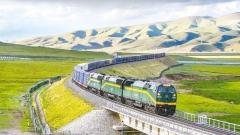
Getting to the plateau is half the adventure. Most travelers arrive either by flight or via the Qinghai-Tibet Railway. Taking the train from cities like Xining or Chengdu is highly recommended for solo travelers because the gradual ascent helps the body adjust to the thinning air. The train journey itself offers spectacular views of the Hoh Xil nature reserve and vast grasslands.
Once inside the region, moving around as a complete solo backpacker is restricted. Foreign travelers must have a guide and a registered vehicle. However, to keep costs down and retain a sense of independence, many solo travelers use platforms or agencies to form small groups with other independent travelers. Tibet Yulong Travel frequently assists solo visitors in connecting with like-minded travelers to share the cost of a private vehicle and guide, creating a flexible itinerary that feels much more personal than a standard commercial tour.
Popular routes include the classic Lhasa to Everest Base Camp drive, which takes about eight to ten days, or the spiritual journey to Mount Kailash in western Tibet, which requires more time and better physical fitness. For a shorter trip, exploring Lhasa, Yamdrok Lake, and Gyantse provides a perfect introduction to Tibetan culture and scenery.
Cultural Etiquette and Respecting Local Traditions
When you travel to Tibet alone, you represent yourself, and understanding local etiquette ensures positive interactions with the welcoming Tibetan people. Buddhism deeply influences daily life here. Always walk clockwise around monasteries, stupas, and mani stone piles. When entering a temple, remove your hat and sunglasses, and never wear shorts or revealing clothing.
Photography is another area requiring sensitivity. Always ask for permission before photographing locals, especially monks and elderly residents. Inside most monastery chapels, photography is strictly prohibited unless you pay a specific fee, and even then, flash is usually banned to protect ancient murals. Pointing your finger directly at a Buddha statue is considered disrespectful; instead, gesture with an open, flat hand.
Learning a few basic Tibetan phrases goes a long way. “Tashi Delek” is the universal greeting meaning good luck or hello, and saying it with a smile will instantly warm up any interaction. As A Guide for Solo Travelers often emphasizes, cultural respect opens doors that money cannot buy.
Food, Dining, and Daily Life on the Plateau
Tibetan cuisine is designed to provide high energy for cold, high-altitude environments. You will quickly become familiar with staples like tsampa (roasted barley flour), yak butter tea, and momos (steamed dumplings filled with meat or vegetables). Yak meat is widely consumed and prepared in various ways, from dried strips to hearty stews.
In Lhasa, the dining scene is surprisingly diverse. You can find excellent Tibetan restaurants, as well as Nepali, Indian, and Western food options catering to international visitors. For a solo traveler, dining out is quite easy. Many guesthouses and cafes have communal tables where you can eat and chat with other travelers. Sweet tea houses are central to local social life; grabbing a thermos of sweet milk tea and sitting among locals reading or chatting is a fantastic way to spend an afternoon.
Hydration is critical. The air is incredibly dry, so drink far more water than you normally would. Bottled water is available everywhere, but carrying a reusable bottle and buying large jugs to refill it is more economical and environmentally friendly.
Packing Essentials for the Solo Journey
Packing for the plateau requires balancing warmth with mobility. Even in summer, temperatures drop drastically at night. Layering is the golden rule. Bring moisture-wicking base layers, insulating mid-layers like fleece or down jackets, and a windproof, waterproof outer shell.
Sun protection is vital due to the thin atmosphere. High-SPF sunscreen, UV-blocking sunglasses, and a wide-brimmed hat are mandatory. Lip balm and heavy moisturizer will save your skin from cracking in the arid climate.
Since you are relying on yourself, pack a comprehensive personal first-aid kit including painkillers, anti-diarrhea medication, blister pads, and any prescribed altitude sickness pills. Power banks are essential, as long drives between towns mean you might be away from electrical outlets for hours. Finally, bring enough cash. While mobile payments are ubiquitous in China, remote areas of the plateau still rely heavily on physical currency, and ATMs outside of Lhasa and Shigatse are scarce.
Staying Connected and Safe
Mobile coverage in Tibet has improved dramatically, with 4G networks reaching many remote areas. Purchasing a local SIM card upon arrival in mainland China or Lhasa is highly recommended for data access. This allows you to use navigation apps, translate menus, and stay in touch with family back home.
Safety in Tibet is generally very high regarding crime, but environmental hazards are real. Roads can be treacherous, especially during the rainy season in late summer when landslides occur. Never hitchhike in remote areas. By utilizing reputable services like Tibet Yulong Travel for your ground transportation, you ensure that your drivers are experienced in navigating high-altitude mountain passes safely.
Traveling to Tibet alone challenges you physically and spiritually, offering an unparalleled opportunity for self-discovery. With the right permits, proper acclimatization, and a respectful mindset, the Roof of the World becomes accessible and profoundly memorable. Let this A Guide for Solo Travelers be your starting point for an adventure that will change your perspective on the world and yourself.