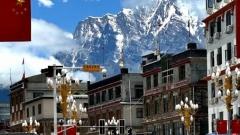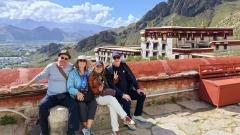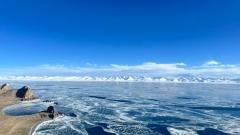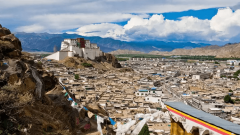

Traveling along the road to Tibet is one of the most profound overland journeys you can undertake. The Tibetan Plateau, often called the Roof of the World, offers landscapes that seem almost extraterrestrial in their scale and beauty. Whether you are navigating the deep gorges of the east or crossing the vast, arid expanses of the north, reaching Lhasa by land provides an unparalleled sense of achievement. This guide covers everything you need to know about planning your expedition, from selecting the right route to managing high-altitude conditions. Before diving into the details, here are the key takeaways for your journey:
- Choose a route based on your time, fitness, and scenery preferences.
- Secure your Tibet Travel Permit well in advance through a registered agency.
- Acclimatize gradually to prevent altitude sickness during the ascent.
- Pack layers, sun protection, and basic medical supplies for remote stretches.
- Consider experienced operators like Tibet Yulong Travel for logistics support.
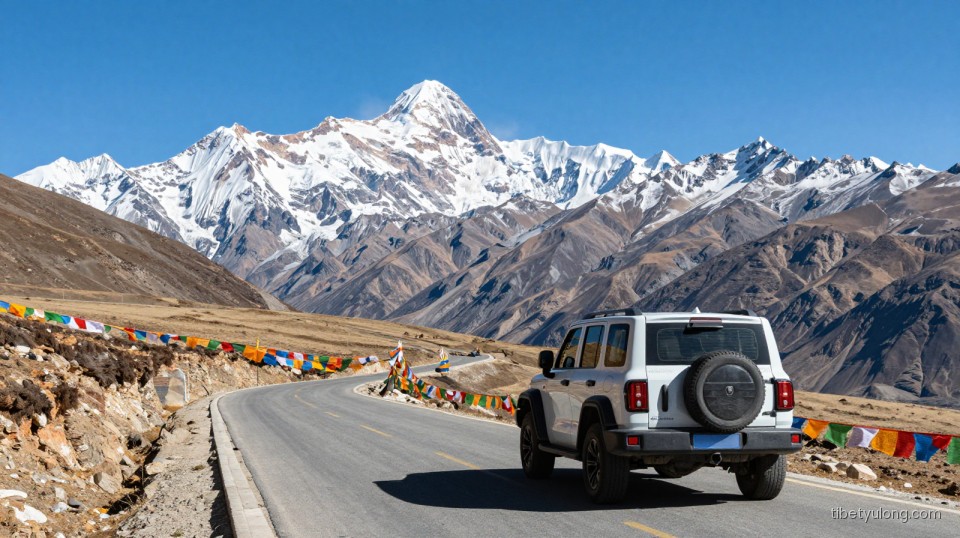
Choosing Your Route for the Road to Tibet
There is no single road to Tibet; rather, there is a network of legendary highways, each offering a distinct experience. Selecting the right path depends entirely on your starting point, how much time you have, and what kind of scenery you want to witness. All major routes eventually converge in Lhasa, but the journeys to get there are vastly different.
The Sichuan-Tibet Highway (G318)
Often considered the most beautiful and challenging road to Tibet, the G318 National Highway connects Chengdu to Lhasa. This southern route spans over 2,100 kilometers and is famous for its dramatic elevation changes. You will pass through lush subtropical valleys, cross roaring rivers like the Jinsha and Lancang, and climb over snow-capped mountain passes exceeding 4,000 meters. Highlights include the photogenic town of Litang, the stunning Ranwu Lake, and the massive glaciers near Bomi. Because of its rugged terrain and frequent weather shifts, the G318 requires a reliable vehicle and an experienced driver. It typically takes between seven to ten days to complete, making it ideal for travelers who prioritize breathtaking scenery over speed.
The Qinghai-Tibet Highway (G109)
If you are looking for the most accessible and popular road to Tibet, the Qinghai-Tibet Highway starting from Xining is your best option. Covering approximately 1,900 kilometers, this route is fully paved and generally easier to navigate than the Sichuan alternative. The landscape here is defined by vastness. You will drive across the expansive grasslands of the Hoh Xil nature reserve, where Tibetan antelopes can sometimes be spotted, and cross the Tanggula Mountain Pass at over 5,200 meters. A significant advantage of this route is the gradual ascent, which helps with altitude acclimatization. Additionally, parts of the highway run parallel to the famous Qinghai-Tibet Railway, offering unique photographic opportunities. Most travelers complete this journey in four to six days.
The Yunnan-Tibet Highway (G214)
Starting from Kunming or Dali, the Yunnan-Tibet route merges with the G318 near Markam. This road to Tibet is heavily favored by those interested in ethnic diversity and cultural transitions. You begin in the tropical and temperate zones of Yunnan, passing through the ancient towns of Shangri-La and Deqin, before entering the stark, high-altitude environment of eastern Tibet. The contrast between the forested mountains of Yunnan and the barren peaks of Tibet is striking. This route is particularly appealing if you want to combine a visit to Yunnan’s highlights with your Tibetan adventure. It usually joins the main Sichuan-Tibet artery for the final push toward Lhasa.
The Xinjiang-Tibet Highway (G219)
For the truly adventurous, the Xinjiang-Tibet Highway represents the most remote and demanding road to Tibet. Connecting Yecheng in Xinjiang to Ngari in western Tibet, this route traverses some of the highest and most desolate terrain on Earth. Elevations rarely drop below 4,500 meters, and services are virtually nonexistent for hundreds of kilometers. The reward for this hardship is access to Mount Kailash, Lake Manasarovar, and the ancient ruins of the Guge Kingdom. Due to its extreme nature, this route is only recommended for highly prepared expeditions with multiple vehicles, extensive spare parts, and seasoned guides. It is not a casual road trip.
Essential Permits and Documentation
No matter which road to Tibet you choose, foreign travelers cannot simply buy a bus ticket and go. Independent travel by foreigners is currently not permitted in the Tibet Autonomous Region. You must travel as part of an organized tour arranged by a licensed travel agency. The agency will apply for your Tibet Travel Permit on your behalf. This process typically requires submitting your passport copy and Chinese visa details several weeks in advance.
Beyond the standard Tibet Travel Permit, traveling overland often requires additional documentation. If your route passes through military-sensitive areas or unopened regions—such as Mount Everest Base Camp or the Ngari prefecture—you will need an Alien Travel Permit and potentially a Military Permit. Reputable agencies handle these bureaucratic hurdles seamlessly. For instance, Tibet Yulong Travel specializes in organizing these complex overland itineraries, ensuring all paperwork is secured so you can focus on the journey rather than the red tape. Always confirm permit requirements with your operator before departing, as regulations can shift without warning.
Preparing for High Altitude
The defining challenge of any road to Tibet is altitude. The average elevation of the plateau exceeds 4,000 meters, where oxygen levels are significantly lower than at sea level. Altitude sickness, known locally as Acute Mountain Sickness (AMS), is a genuine concern that affects travelers regardless of age or physical fitness.
To mitigate risks, gradual acclimatization is crucial. Routes like the Qinghai-Tibet Highway allow your body to adjust slowly as you gain elevation day by day. Avoid rushing the itinerary. If you fly directly into Lhasa to start a journey, spend the first two days resting completely. Do not shower immediately upon arrival, avoid alcohol, and eat light meals.
Symptoms of AMS include headaches, nausea, dizziness, and shortness of breath. While mild symptoms often resolve as the body adapts, severe cases require immediate descent to a lower elevation. Carrying supplemental oxygen in your vehicle is standard practice for overland trips. Medications like acetazolamide can aid acclimatization, but consult a physician before your trip to determine if they are appropriate for you. Listening to your body and communicating openly with your guide is the best defense against altitude-related issues.
What to Pack for the Journey
Packing for the road to Tibet requires balancing preparedness with practicality. Space in overland vehicles is limited, so soft duffel bags are preferable to rigid suitcases. The weather on the plateau is notoriously unpredictable; you might experience intense sunshine, freezing winds, and sudden rain showers all within a single afternoon.
Layering is the golden rule. Bring moisture-wicking base layers, insulating mid-layers like fleece or down jackets, and a windproof, waterproof outer shell. Even in summer, nighttime temperatures at high passes can drop below freezing. Sun protection is equally vital. The thinner atmosphere offers little UV filtration, so high-SPF sunscreen, polarized sunglasses, and wide-brimmed hats are mandatory.
Medical kits should include remedies for headaches, stomach upset, colds, and blister care. Since pharmacies are scarce outside major towns, bring enough personal prescription medications for the entire trip plus extra days for potential delays. Power banks are essential, as long driving days drain phone batteries quickly, and charging points may be unavailable in remote guesthouses. Finally, pack plenty of snacks and bottled water. While local teahouses exist, relying solely on them for sustenance during long drives is risky.
Vehicle and Logistics Considerations
The condition of the road to Tibet has improved dramatically in recent decades, with most major highways now fully paved. However, landslides, construction detours, and winter snow can still render sections impassable temporarily. A sturdy, high-clearance four-wheel-drive vehicle is highly recommended, especially for the G318 and G219 routes.
Hiring a local driver-guide is strongly advised. They possess intimate knowledge of road conditions, hidden hazards, and the best places to stop for fuel and food. Fuel stations can be spaced far apart in western Tibet, so drivers must calculate consumption carefully and occasionally carry reserve jerry cans. Tire punctures are common due to sharp rocks and debris, making a full-size spare tire and repair tools non-negotiable.
Accommodation ranges from comfortable hotels in cities like Lhasa and Shigatse to basic guesthouses in rural areas. Hot water and heating are not guaranteed in smaller settlements. Managing expectations regarding comfort is part of the adventure. Working with established operators like Tibet Yulong Travel ensures that accommodation standards meet your requirements and that contingency plans are in place if roads become blocked or vehicles break down.
Experiencing the Culture Along the Way
Taking the road to Tibet is not merely a geographical transit; it is a cultural immersion. As you ascend onto the plateau, the landscape transforms, and so does the way of life. You will encounter nomadic herders tending yaks against backdrops of snow-capped peaks, and see vibrant prayer flags fluttering from every bridge and mountain pass.
Monasteries dot the routes, serving as spiritual and community centers. Places like the Tashilhunpo Monastery in Shigatse or the remote temples of Kham offer glimpses into Tibetan Buddhism that are far more authentic than what you might find in heavily commercialized tourist hubs. Respect local customs by walking clockwise around religious structures, asking permission before photographing locals, and dressing modestly when entering sacred spaces.
Food along the route reflects the harsh environment. Expect hearty dishes designed to provide energy: yak butter tea, tsampa (roasted barley flour), momos (dumplings), and noodle soups. While palates accustomed to diverse cuisines might find the options repetitive, these traditional foods are perfectly adapted to sustain travelers enduring high altitudes and long driving hours. Embracing the local diet is a fundamental part of the overland experience, connecting you directly to the resilient culture of the plateau.