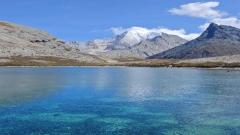
When you picture the vast, windswept landscapes of the Tibetan Plateau, one animal almost certainly dominates the scene. Tibetan Yaks are far more than just livestock; they are the beating heart of high-altitude survival, deeply woven into the cultural, spiritual, and economic fabric of the region. For thousands of years, these sturdy creatures have carried loads across treacherous mountain passes, provided warmth against freezing temperatures, and sustained entire communities. Today, encountering them remains one of the most memorable experiences for anyone traveling through Tibet. Whether grazing peacefully near a turquoise alpine lake or trekking alongside nomadic herders, Yaks represent the raw, untamed spirit of the roof of the world.
Before diving deep into the fascinating world of these plateau dwellers, here is a quick overview of what makes them so essential:
- Altitude Adaptation: Yaks thrive at elevations above 4,000 meters where few other large mammals survive.
- Cultural Backbone: They provide food, clothing, shelter, and fuel for Tibetan nomads.
- Wild vs. Domestic: Wild Yaks are endangered, while domesticated ones number in the millions.
- Travel Highlight: Spotting herds is a must-do experience for visitors exploring Tibet.
- Economic Engine: Yak products form the foundation of the local pastoral economy.
Understanding the Biology and Habitat of Yaks
To truly appreciate Tibetan Yaks, you first need to understand the extreme environment they call home. The Tibetan Plateau is often referred to as the “Third Pole” due to its massive ice reserves and staggering average elevation. Here, oxygen levels can be forty percent lower than at sea level, winter temperatures plummet well below freezing, and fierce winds scour the open grasslands. It is an environment that would quickly defeat most animals, yet Yaks have evolved over millennia to not just survive, but flourish.
Their biological adaptations are nothing short of remarkable. Unlike cattle found in lowland regions, Yaks possess larger lungs and hearts relative to their body size. Their blood contains a higher concentration of red blood cells, allowing them to absorb and transport scarce oxygen with incredible efficiency. This physiological advantage means they can graze comfortably at altitudes exceeding 5,000 meters without suffering from altitude sickness.
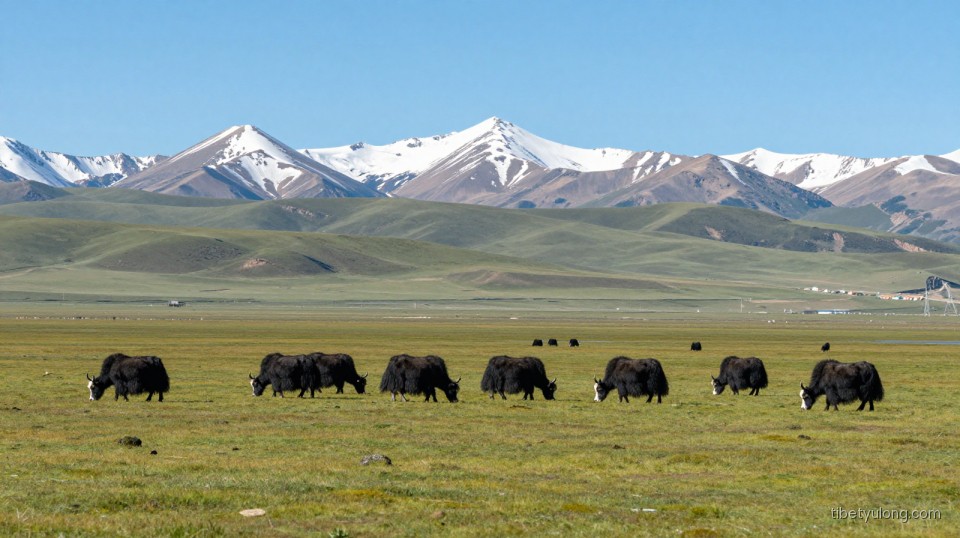
Physically, they are built like living tanks. A thick, shaggy coat of hair hangs down past their bellies, acting as a natural insulator against the biting cold. Beneath this outer layer lies a dense, woolly undercoat that traps body heat. Their hooves are compact and hard, perfectly designed for navigating rocky, uneven terrain and digging through deep snow to find buried vegetation. While wild Yaks are typically dark brown or black, domesticated Yaks display a wider variety of colors, including patches of white, gray, and reddish-brown.
The Historical Bond Between Nomads and Yaks
The relationship between the people of the plateau and Yaks dates back thousands of years. Archaeological evidence suggests that the domestication of wild Yaks began around three thousand years ago. Since then, the lives of Tibetan nomads and their herds have been inextricably linked. You cannot tell the story of one without the other.
For nomadic families moving across the Changtang grasslands, Yaks serve as the ultimate multi-purpose resource. They are the primary beasts of burden, capable of carrying heavy loads of up to seventy kilograms across mountain passes where no vehicle could ever travel. When a family relocates their camp, it is the Yaks that transport the dismantled tents, cooking equipment, and household goods to the next seasonal pasture.
Beyond transportation, Yaks dictate the rhythm of daily life. Herders wake before dawn to milk the females, guide the herds to fresh grazing grounds, and spend evenings securing the animals against predators like wolves and snow leopards. This intimate daily interaction has fostered a deep mutual respect. Nomads rarely view their animals merely as property; instead, they see them as partners in the ongoing struggle against the harsh elements. Many traditional songs, folktales, and proverbs center around the intelligence and endurance of these creatures, highlighting their revered status in everyday conversation.
How Yaks Shape Daily Diet and Nutrition
If you travel to Tibet, you will quickly realize that the local diet revolves heavily around products derived from Yaks. In an environment where agriculture is limited by altitude and frost, pastoralism is the primary source of sustenance, making these animals the cornerstone of regional nutrition.
Yak butter is perhaps the most famous product. It is churned daily and used to make butter tea, a salty, rich beverage that provides essential calories and hydration to those enduring the dry, cold climate. No meal or social gathering in a nomad tent is complete without a steaming bowl of this iconic drink. The fat content in yak butter is significantly higher than standard cow butter, providing the intense energy needed to stay warm.
Yak meat is another dietary staple. It is leaner than beef but incredibly nutrient-dense, packed with protein and essential fatty acids. During the brief autumn months, families prepare for winter by air-drying strips of meat. Hung in the freezing, dry wind, the meat naturally cures without rotting, creating a long-lasting food supply that can sustain herders through the harshest months when fresh grazing is impossible.
Dairy products extend beyond butter. Nomads produce a hard, dried cheese called chhurpi, which is often chewed slowly throughout the day to stave off hunger. Yogurt made from yak milk is also a popular summer treat, prized for its tart flavor and digestive benefits. Every part of the milk yield is utilized, ensuring zero waste in a landscape where resources are precious.
Yaks in Tibetan Culture, Religion, and Art
The significance of Yaks extends far beyond physical survival; they hold a profound place in the spiritual and cultural identity of the region. In ancient Bon traditions, which predate Buddhism in Tibet, the wild yak was often depicted as a powerful mountain deity or a protective spirit. Legends speak of white Yaks guarding sacred valleys, and harming them was considered a grave offense against the local gods.
As Buddhism spread across the plateau, the reverence for these animals seamlessly integrated into religious practices. You will frequently see yak butter sculpted into intricate, colorful offerings known as torma during major festivals like Losar (the Tibetan New Year). Monks spend days crafting these temporary sculptures, using dyed butter to create flowers, deities, and auspicious symbols that are eventually offered to the altar.
In traditional arts and crafts, the yak motif is ubiquitous. Thangka paintings often feature them in pastoral scenes representing harmony with nature. Furthermore, the bones and horns of deceased animals are respectfully repurposed. Horns are carved into handles for knives, snuff bottles, or musical instruments, while bones might be fashioned into jewelry or ritual implements. Even the hair is spun into strong ropes and woven into the black tents that dot the grasslands, meaning the animal continues to protect the family long after its passing.
Conservation Status of Wild Yaks
While millions of domesticated Yaks roam the pastures today, their wild ancestors face a much more precarious existence. The wild yak (Bos mutus) is classified as vulnerable by conservation organizations. Historically hunted for their massive horns and thick hides, their populations dwindled significantly during the last century. Today, they are strictly protected, but habitat fragmentation and the potential for disease transmission from domestic herds remain ongoing challenges.
Wild Yaks are considerably larger and more aggressive than their domesticated cousins. Bulls can weigh over a thousand kilograms and possess a formidable set of horns that curve outward and upward. They tend to inhabit the most remote, inaccessible corners of the Changtang Nature Reserve and the Kekexili region, keeping their distance from human settlements. Conservation efforts led by local authorities and international wildlife groups have helped stabilize their numbers, but protecting their vast migratory routes requires continuous vigilance and community cooperation.
Spotting Yaks During Your Tibet Journey
For travelers, encountering these magnificent animals is often a highlight of the trip. If you are planning a journey to the plateau, knowing where and how to observe them safely will greatly enhance your experience. When organizing your itinerary, consulting with experienced operators like Tibet Yulong Travel can ensure you visit the best pastoral regions responsibly, respecting both the wildlife and the local nomadic communities.
The route from Lhasa to Namtso Lake or the drive toward Mount Everest Base Camp offers excellent opportunities to see herds grazing near the roadside. During the summer months, the grasslands turn a vibrant green, and you will see hundreds of black dots scattered across the hillsides. In the winter, they gather closer to settlements, their breath pluming in the frigid air.
When approaching Yaks, especially if you are on foot or cycling, always maintain a respectful distance. While domesticated animals are generally accustomed to humans, they are still large, powerful creatures. Never stand directly behind them, and avoid sudden movements or loud noises that might startle the herd. If you wish to photograph a nomad’s herd, it is customary and polite to ask for permission first. Most herders are welcoming and may even invite you into their tent for a cup of butter tea, offering a rare glimpse into a way of life that has remained largely unchanged for centuries.
Whether you admire them for their biological resilience, their deep cultural symbolism, or simply their striking silhouette against a backdrop of snow-capped peaks, Tibetan Yaks remain the undisputed icons of the plateau. Understanding their role transforms a simple sightseeing trip into a meaningful exploration of how life adapts and thrives at the top of the world.