Nestled in the southern part of the Tibet Autonomous Region, Gyantse is a town that feels suspended in time. For travelers wondering how to visit Gyantse, the journey itself is as rewarding as the destination. Located along the ancient trade routes between Lhasa, Shigatse, and the borders of India and Bhutan, this town offers an authentic glimpse into traditional Tibetan life without the heavy commercialization found in larger cities. When you visit Gyantse, you step into a living museum where centuries-old monasteries stand against dramatic mountain backdrops.
Key Takeaways:
- Secure your Tibet Travel Permit before departure.
- Acclimatize properly due to the high altitude.
- Explore the iconic Kumbum Stupa and Dzong Fortress.
- Try local Tibetan cuisine at small town eateries.
- Arrange reliable transport from Lhasa or Shigatse.
Why You Should Visit Gyantse on Your Tibet Itinerary
Many travelers focus solely on Lhasa or Mount Everest when planning a Tibet trip, but choosing to visit Gyantse adds a profound layer of cultural depth to your journey. Unlike the bustling capital, Gyantse retains a quiet, agrarian charm. The town sits at an elevation of approximately 3,977 meters (13,047 feet) in the Nyang River Valley, surrounded by fertile plains that have supported farming communities for generations.
The historical significance of the town cannot be overstated. It was once one of the most important trading hubs in Tibet, serving as a crucial node on the route connecting the Indian subcontinent with the Tibetan plateau. Today, those who visit Gyantse can still see the remnants of this rich mercantile past woven into the architecture and the daily rhythms of the locals. The pace here is slower, allowing visitors to truly absorb the spiritual atmosphere that permeates the narrow alleyways and open courtyards.
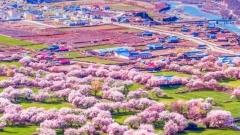
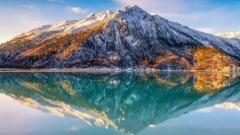
Furthermore, the landscape surrounding the town provides some of the most stunning photographic opportunities in Tibet. From the golden hues of the barley fields in late summer to the stark, snow-capped peaks that frame the valley year-round, the visual experience of a Gyantse trip is unparalleled. Whether you are a history enthusiast, a photography lover, or a spiritual seeker, the reasons to visit Gyantse are as diverse as the travelers who make the journey.
How to Get There: Transport Options to Visit Gyantse
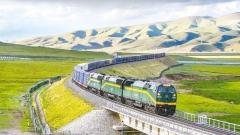
Understanding how to reach the town is the first logistical step when planning to visit Gyantse. There is no airport or railway station directly in the town, so overland travel is the primary method of arrival. Most travelers incorporate Gyantse into a broader road trip itinerary that begins in Lhasa or Shigatse.
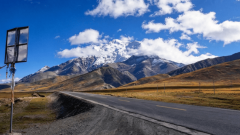
From Lhasa: The distance from Lhasa to Gyantse is roughly 260 kilometers. The drive typically takes about five to six hours, depending on road conditions and stops. The route often passes by the breathtaking Yamdrok Lake, one of Tibet’s three sacred lakes. Many drivers will pause here, allowing you to take in the vivid turquoise waters before continuing over the Karo La Pass, which features a glacier visible right from the roadside. This scenic drive is one of the main reasons people choose to visit Gyantse via overland tours rather than rushing through the region.
From Shigatse: If you are traveling from Shigatse, the journey is much shorter—approximately 90 kilometers, taking around two hours by car. Many itineraries flow from Lhasa to Gyantse, then down to Shigatse, creating a perfect triangular route through central Tibet.
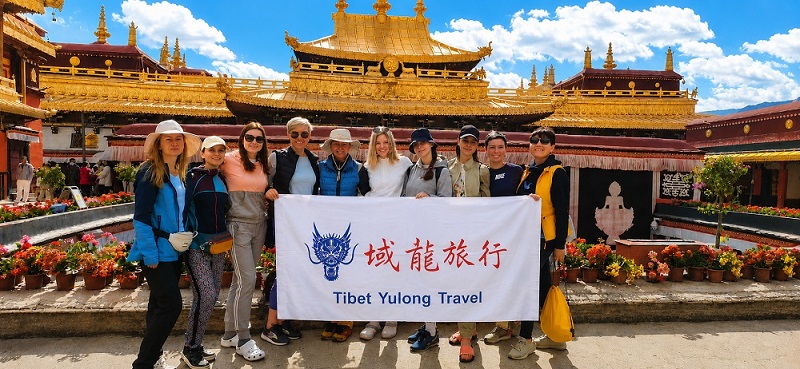
When figuring out how to visit Gyantse smoothly, booking a private vehicle or joining an organized tour is highly recommended. Public buses do operate between major towns, but they offer little flexibility for sightseeing along the way. Agencies like Tibet Yulong Travel specialize in arranging comfortable vehicles and experienced drivers who know the mountain roads intimately, ensuring your journey is both safe and enjoyable.
Top Attractions to Explore When You Visit Gyantse
Once you arrive, the list of things to see is surprisingly robust for a town of its size. Here are the essential sites you must explore during your stay.
Palcho Monastery and the Kumbum Stupa
No trip is complete without visiting Palcho Monastery (also known as Pelkor Chode). Founded in the early 15th century, this monastery is unique because it historically housed monks from different Tibetan Buddhist sects—Sakya, Gelug, and Kadampa—living together in harmony. The architectural styles blend seamlessly, reflecting this rare ecumenical spirit.
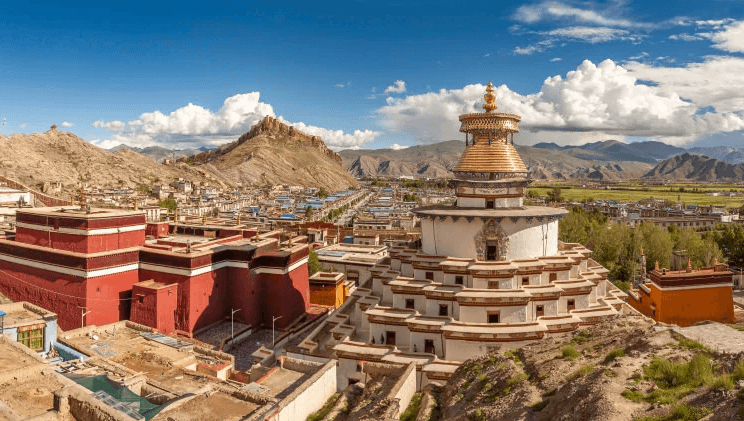
The crown jewel of the complex, and the primary reason many visit Gyantse, is the Kumbum Stupa. Standing 35 meters tall with nine tiers and 108 doors, it is the largest stupa of its kind in Tibet. Inside, you will find a labyrinth of chapels containing over 10,000 murals and statues. Walking up the spiraling interior levels feels like moving through a three-dimensional mandala, with each chapel offering distinct artistic treasures.
Gyantse Dzong Fortress
Looming over the town from a rocky ridge is the Gyantse Dzong, an imposing fortress dating back to the 14th century. It played a pivotal role in the region’s history, particularly during the British expedition to Tibet in the early 20th century, when local defenders held out heroically against heavily armed forces. Today, the fortress houses an anti-British museum detailing these events. Climbing to the top of the Dzong rewards you with a panoramic view of the entire town, the surrounding valley, and the distant mountains. It is arguably the best vantage point to appreciate the layout of Gyantse.
The Old Town Streets
While not a single monument, wandering the old streets behind the main square offers a genuine look at local life. Whitewashed stone houses with flat roofs, colorful prayer flags fluttering in the wind, and elderly residents spinning prayer wheels create an atmosphere that feels untouched by modern tourism. Taking a slow walk through these alleys is one of the most rewarding ways to experience the town.
Practical Tips for Planning Your Gyantse Trip
To ensure your experience is smooth and memorable, there are several practical factors to consider when preparing to visit Gyantse.
Permits and Regulations
Foreign travelers cannot simply buy a ticket and travel independently in Tibet. To visit Gyantse, you must obtain a Tibet Travel Permit (TTP), which is arranged through a registered travel agency. You will also need a valid Chinese visa beforehand. Because Gyantse is located in a specific prefecture, your permit must explicitly list it as part of your approved itinerary. Working with a reputable operator like Tibet Yulong Travel simplifies this bureaucratic process significantly, as they handle all permit applications, hotel bookings, and guide arrangements on your behalf.
Altitude Sickness Prevention
At nearly 4,000 meters above sea level, altitude sickness is a real concern. It is highly advised not to rush directly to Gyantse upon arriving in Tibet. Spend at least two to three days acclimatizing in Lhasa (which sits slightly lower at 3,650 meters) before making the journey. Stay hydrated, avoid alcohol for the first few days, eat light meals, and move slowly. If you experience severe headaches, nausea, or shortness of breath, inform your guide immediately.
Best Time to Go
The optimal window to visit Gyantse is generally from May to October. During these months, the weather is milder, the skies are clearer, and the mountain passes are free of heavy snow. April and November can be quite cold, while the deep winter months bring freezing temperatures that make high-altitude travel challenging. Summer (July and August) coincides with the rainy season, but showers usually occur in the late afternoon or evening, leaving mornings bright and clear for sightseeing.
Local Food and Culture to Experience in Gyantse
Exploring the culinary landscape is an integral part of learning how to fully immerse yourself when you visit Gyantse. The local diet is shaped by the high altitude and harsh climate, relying heavily on barley, yak meat, and dairy.
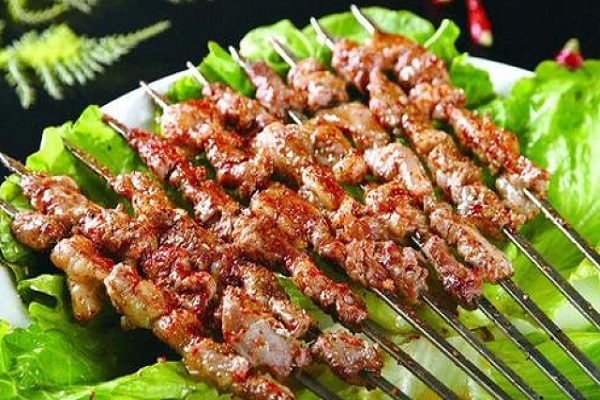
Do not leave without trying tsampa, the staple roasted barley flour mixed with butter tea to form a dough. It is the ultimate Tibetan comfort food and provides the necessary calories for high-altitude exploration. Yak meat is ubiquitous here, served in momos (Tibetan dumplings), hearty noodle soups, or dried as a chewy snack. Butter tea (po cha) is offered everywhere; its salty, rich flavor might surprise first-timers, but it is essential for hydration and warmth.
If your travels align with the local calendar, you might witness the Gyantse Dama Festival. Traditionally held in the summer, this vibrant event features horse racing, archery, traditional dancing, and local markets. It is a spectacular showcase of regional culture and one of the most exciting times to visit Gyantse. Even outside of festival times, the daily culture revolves around the monasteries. Joining the locals for a kora (circumambulation) around Palcho Monastery is a peaceful way to connect with the spiritual heartbeat of the town.
Accommodation options range from basic guesthouses to more comfortable hotels. While luxury resorts are scarce, the available lodgings are clean and welcoming. Booking through specialized agencies like Tibet Yulong Travel ensures you are placed in the best available accommodations suited to your comfort level.
Deciding to visit Gyantse is a commitment to experiencing the raw, unfiltered beauty of Tibet. It requires preparation regarding permits and physical readiness, but the reward is an encounter with a deeply preserved culture, awe-inspiring architecture, and landscapes that define the roof of the world. By planning carefully and respecting the local environment, your journey to this historic town will remain a highlight of your travels for years to come.