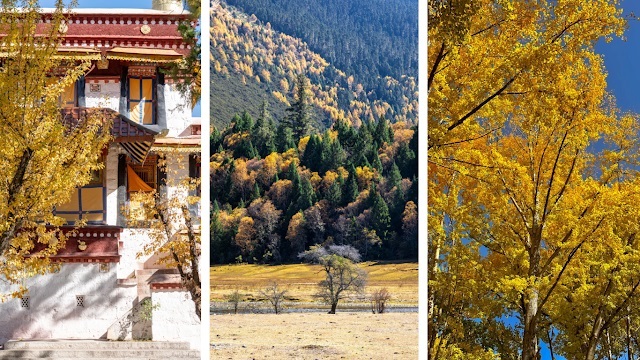
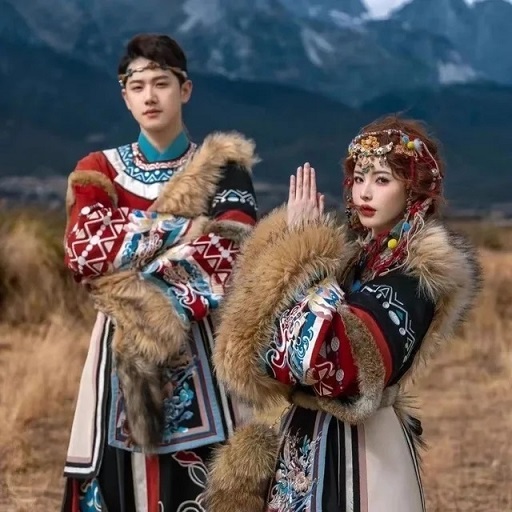
Tibet, known as the “Roof of the World” and a sacred spiritual realm, captivates travelers not only with its breathtaking snow-capped mountains and alpine lakes, but also through its unique Buddhist heritage and time-honored traditions. Much of Tibet’s charm lies in its deep spiritual atmosphere. However, shaped by geographic isolation and religious devotion, Tibetan society has developed a distinct system of social etiquette and cultural taboos.
When visiting a new culture, showing respect for local traditions is essential. Understanding these taboos helps prevent misunderstandings while demonstrating cultural awareness. This guide outlines key taboos across four core scenarios: visiting temples, staying in local homes, dining, and daily social interactions.
Key Takeaways
- Temple Etiquette: Dress respectfully (no shorts, short skirts, sleeveless shirts, hats, or sunglasses). Always walk clockwise around temples and prayer wheels. Photography inside temple halls and touching sacred artifacts are strictly prohibited.
- Homestay Customs: Never step on the door threshold when entering a home. Use both hands when receiving butter tea or khata scarves. Crossing over the hearth or sitting in seats reserved for elders/monks is considered disrespectful.
- Dietary Restrictions: Traditional Tibetans refrain from eating horse, donkey, and dog meat, and many regions avoid eating fish. Avoid making loud noises while dining, and never pass or receive food with a single hand.
- Daily Behavior & Photography: Never touch the head of a Tibetan adult or child. Always walk clockwise around Mani stone piles and stupas. Always seek permission before photographing locals or monks.
Temple Etiquette: Honoring Sacred Spaces
Temples in Tibet (such as the Jokhang Temple, Tashilhunpo Monastery, and Samye Monastery) are not only centers for spiritual practice, but also deeply revered holy sites for pilgrims. When visiting temples, strictly observe the following rules:
1. Dress Code and Attire
Dress Respectfully: Avoid revealing or overly casual clothing, such as shorts, short skirts, low-cut tops, sleeveless shirts, or ripped jeans. Opt for long pants or below-the-knee skirts and tops with sleeves.
Remove Hats and Sunglasses: Remove hats, caps, sunglasses, and headwear before entering temple halls. Obscuring one’s face or head in front of sacred statues is considered highly disrespectful in Tibetan culture.
2. Direction of Travel and Prayer Wheels
Always Walk Clockwise: Whether following walking routes inside temple halls, turning prayer wheels, or walking a circumambulation circuit (Kora) around a monastery, always walk in a clockwise direction. (Note: Bon monasteries are an exception and circumambulate counter-clockwise. If unsure, follow the direction of local pilgrims).
Do Not Step Over Sacred Objects or People: Never step over prayer wheels, scriptures, ritual instruments, seating cushions, or prostrating pilgrims. When sitting down inside a hall, ensure the soles of your feet do not point directly toward Buddha statues or high lamas.
3. Photography and Behavior
No Photography Inside Temple Halls: Photography and video recording are strictly prohibited inside almost all temple halls. Where permitted, a photography fee or pass is usually required. Look for posted signs or ask resident monks before taking photos.
Maintain Silence and Proper Gestures: Speak quietly and refrain from shouting, playing around, smoking, or chewing gum inside temple grounds. Never touch Buddha statues, murals, scriptures, or ritual items. When pointing toward a Buddha statue or sacred object, do not point with a single finger; instead, extend your open hand with the palm facing upward.

Homestay Etiquette: Visiting a Tibetan Home
Visiting a Tibetan household (such as staying at a local family home, guest tent, or visiting local friends) offers a wonderful way to experience authentic Tibetan hospitality. However, domestic spaces carry specific cultural rules:
1. Entering a House and Door Thresholds
Never Step on the Threshold: When entering a Tibetan home or tent, never step on the door threshold. In Tibetan belief, the threshold represents the guardian spirit of the house or the host’s shoulders. Stepping on it is viewed as a serious insult to the host and is believed to sweep away the household’s good fortune. Always step cleanly over it.
2. Hearth and Seating Rules
Respect the Holy Hearth: The central hearth or stove in a Tibetan home is the heart of family life and is considered the dwelling place of the fire deity. Do not spit, throw trash, or toss bones into the fire. Never stretch your feet out toward the hearth or step over it.
Wait to Be Seated: Do not sit down randomly upon entering the living area. Tibetan homes follow age-old seating hierarchies; seats near the family altar or the upper side of the hearth are reserved for elders, monks, or honored guests. Wait for your host to guide you to your seat.
3. Receiving Offerings and the “Three-Sip” Toasting Custom
Use Both Hands: When accepting butter tea, sweet tea, barley wine, or khata scarves from your host, always receive them using both hands with a slight bow of gratitude. Never accept items casually with one hand.
The “Three-Sip” Toasting Custom: When offered homemade barley wine (Chang), follow the traditional “three-sip” etiquette:
Receive the cup with both hands, dip your right ring finger into the wine, and flick a drop into the air three times (offering to Heaven, Earth, and the Deities).
Take a small sip, and the host will top off your cup.
Take a second sip, and the host will top off your cup again.
On the third sip, drain the cup. This is a traditional custom showing warm hospitality.
Drinking Butter Tea: When served butter tea, avoid chugging the entire cup at once. Take a few sips, set the cup down, and converse with your host. Allow your host to refill your cup before drinking further.
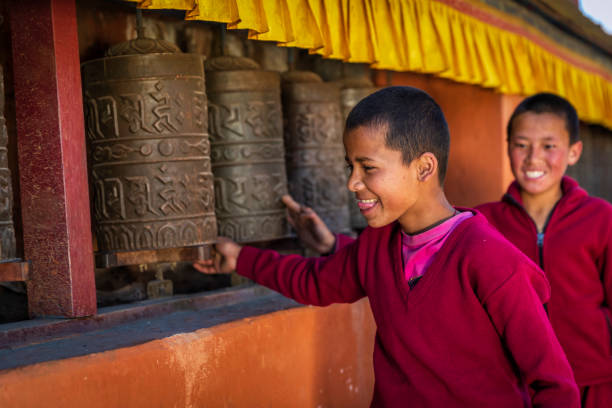
Dietary Restrictions: Understanding the Religious Traditions Behind Local Cuisine
Tibetan food culture is influenced by both the high-altitude environment and Buddhist principles of compassion toward living beings. Keep these dietary customs in mind:
Restricted Meats:
No Horse, Donkey, or Dog Meat: Traditional Tibetan culture strictly forbids eating meat from horses, donkeys, mules, and dogs. Dogs are viewed as loyal companions, while horses are valued for transport and farm work.
Avoiding Fish and Aquatic Life: Many regions in Tibet (especially central Tibet) maintain a tradition of not eating fish, shrimp, or shellfish. This stems from the Buddhist principle that killing one large animal feeds many, whereas killing small fish sacrifices countless lives for a single meal. Additionally, in areas practicing water burials, fish are regarded as sacred creatures associated with the deceased.
Table Manners:
Maintain quiet table manners and avoid making loud chewing noises or slurping loudly.
Do not throw bones or food scraps directly onto the table or floor; place them on plates or napkins provided by the host.
Avoid bringing non-halal or pork products into strictly traditional Tibetan homes or restaurants.
Daily Conduct and Photography Rules: Respectful Travel Across the Plateau
Beyond temples and homes, observe these daily social norms across scenic spots, towns, and outdoor landscapes:
1. Do Not Touch Anyone’s Head
In Tibetan culture, the head is considered the most sacred part of the body, representing personal dignity and spirit. Only high lamas are permitted to touch heads during blessing rituals. Visitors should never touch the head of a Tibetan adult or child. Even if a child looks adorable, refrain from patting their head; express friendliness with a warm smile or a handshake instead.
2. Respectful Photography of Locals and Pilgrims
Tibet offers incredible photographic opportunities, from crowds strolling along Barkhor Street to devout pilgrims and monks.
Ask Permission First: Always smile and seek permission (a simple nod or gesture) before taking close-up photos of local residents or monks.
Respect Prostrating Pilgrims: Give space to pilgrims performing full-body prostrations. Do not stand directly in front of their path or hold a long lens right up to their faces, and avoid laughing or chatting noisily nearby.
3. Mani Stone Piles, Prayer Flags, and Sacred Lakes
Clockwise Around Mani Piles and Stupas: When encountering Mani stone piles (stones carved with mantras), prayer flag towers, or white stupas, always walk around them clockwise (keeping the structure to your right). Never step over or climb on Mani stones, and do not pick them up as souvenirs.
Protect Sacred Lakes: Lakes in Tibet (such as Yamdrok Lake, Namtso, and Lake Manasarovar) are revered as sacred lakes. Washing feet, laundering clothes, littering, or throwing stones into these lakes is strictly prohibited.
Journeying with Reverence
The true magic of Tibet lies not only in its grand snow peaks and turquoise lakes, but also in the deep faith and genuine warmth of its people.
These guidelines are meant not to restrict your journey, but to help you connect meaningfully with local culture. By traveling with open-mindedness, humility, and respect, you will experience the warmth of Tibetan hospitality and create unforgettable memories across the Roof of the World.