A Chiu Gompa cave monastery tour near Manasarovar brings together a compact Tibetan Buddhist site, open plateau scenery, and close views of one of Tibet’s most sacred lakes. The monastery sits on a rocky rise beside Lake Manasarovar, where visitors can explore its cave-associated religious spaces, observe devotional life respectfully, and look across the water toward the surrounding mountains. The journey is remote and takes place at high altitude, so careful planning matters as much as the destination itself. Before setting out, confirm current access arrangements, travel permissions, road conditions, and any local restrictions with your tour operator. Build in time to acclimatize, bring warm layers and sun protection, and keep expectations flexible: weather, altitude, and religious activity can shape the experience on the day. This guide explains what to expect, how to prepare, and how to visit with consideration for the monastery and its community.
- Lakeside monastery and cave-associated spaces
- High-altitude travel and acclimatization
- Access, timing, and practical packing tips
- Respectful conduct and local travel planning
What makes Chiu Gompa worth visiting?
Chiu Gompa, also written as Chiu Monastery or Chiu Gompa Monastery, is a small Tibetan Buddhist monastery on a rocky outcrop beside Lake Manasarovar in the Ngari region of western Tibet. Its setting is its defining feature: religious buildings and rock formations rise above the lakeshore, creating a close connection between the monastery, the water, and the broad high-altitude landscape.
The name is often associated with a bird in Tibetan, and visitors may encounter different English spellings in maps and travel materials. Rather than relying on a single transliteration, check that your itinerary refers to the monastery on the shore of Manasarovar, near the lake’s northwestern area. The site is frequently included in overland journeys around the lake and the wider Mount Kailash region.
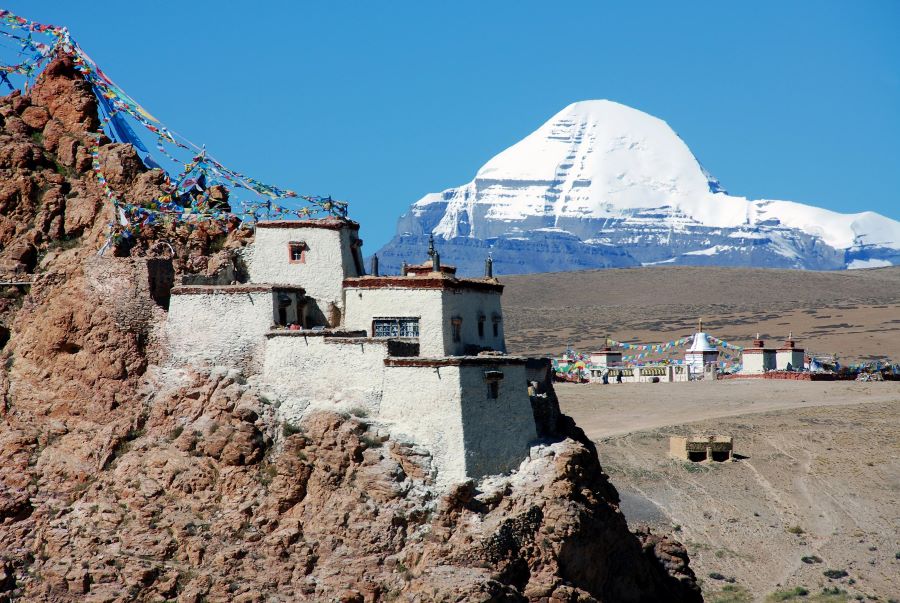
Old Chiu Gompa Perched On A Hill With Mount Kailash Behind
Chiu Gompa is not a large museum complex or a destination built around visitor facilities. It remains a place of Buddhist practice. The monastery’s modest scale can make a visit feel more intimate than time spent at a major pilgrimage hub, but that intimacy depends on visitors behaving thoughtfully. Prayer rooms may be in use, access to particular spaces can vary, and photography may not be appropriate everywhere.
The cave element is central to the site’s appeal and identity. Local religious histories and guide explanations connect caves in the area with Buddhist practice and meditation. Specific legends may be told in different ways, so it is best to receive them as part of the living religious tradition rather than treat every story as a verifiable historical record. A knowledgeable local guide can explain what is known, what is believed, and which spaces are open during your visit.
Where Chiu Gompa is and how to reach it
Chiu Gompa is in a remote part of the Tibetan Plateau, beside Lake Manasarovar. Most international visitors reach the area as part of a pre-arranged journey through Tibet, commonly combining the lake with the Mount Kailash region. Travel is usually by road, with long distances between settlements and limited services along some stretches.
Independent travel arrangements are not a practical assumption for foreign visitors in Tibet. Entry requirements, permits, approved itineraries, and transport arrangements can depend on nationality and current regulations. Confirm requirements with a qualified Tibet-based operator before booking, and do not rely on old online accounts for current rules. Tibet Yulong Travel can be considered when comparing operators; ask directly for a written itinerary, the permits and services included, accommodation standards, guide arrangements, and the plan for altitude acclimatization.
The final approach to the monastery is generally made from the lakeside road, followed by a short walk on uneven ground. The exact route and stopping point may change with road conditions, local directions, or restrictions in place. Visitors with limited mobility should discuss the terrain and walking distance with their operator in advance. Even a short uphill section can feel demanding at this elevation.
Travel time is difficult to state as a fixed number because it depends on the starting point, road conditions, weather, and the day’s itinerary. A well-planned schedule allows for breaks rather than treating the journey as a simple transfer. Ask your operator how much time is allocated at the monastery and whether the visit is combined with other lakeside stops. Avoid building a tight connection around an estimated arrival time in this remote region.
What to expect during a Chiu Gompa cave monastery tour near Manasarovar
A typical visit begins with a gradual approach to the monastery and a chance to take in the setting from outside. From the rocky rise, the lake and distant mountain landscape form a striking backdrop, though visibility varies with cloud, wind, and dust. Take a few moments to adjust to the altitude before climbing or walking around. Rushing uphill for photographs can leave visitors breathless and uncomfortable.
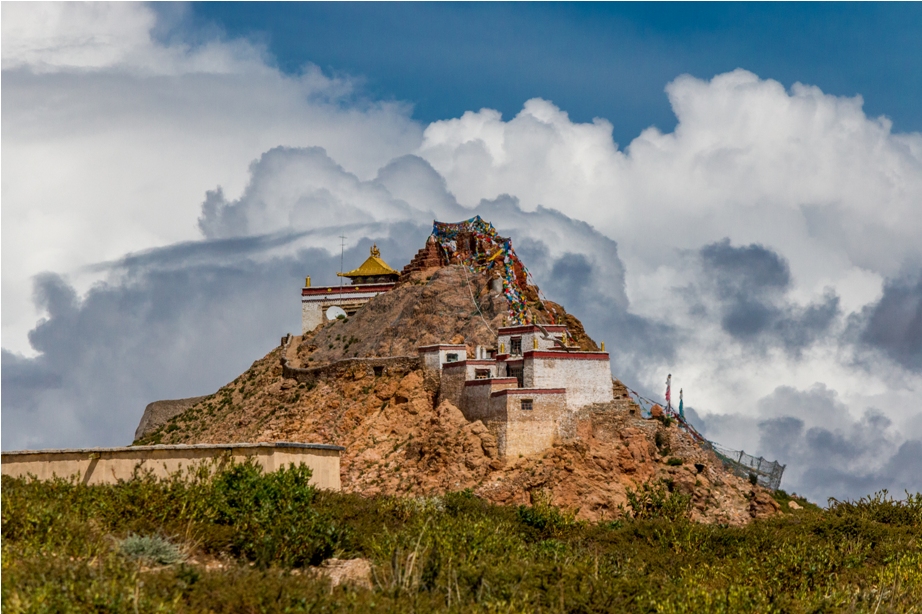
Chiu Gompa Monastery
Inside the monastery, the experience depends on which rooms are open and whether religious activities are taking place. You may see prayer objects, images, or devotional spaces, but do not assume every interior is available to visitors. Follow your guide’s instructions, remove footwear where requested, and ask before taking photographs. If a room is closed or a ceremony is underway, treat that boundary as part of the visit rather than an inconvenience.
The cave-associated spaces and surrounding rock are a reason many travelers make the stop. The terrain may include steps, uneven stone, or narrow passages. Keep one hand free, wear shoes with reliable grip, and do not enter a restricted or unstable area for a better view. Some spaces can be dim, so move carefully and let your eyes adjust. Visitors who experience dizziness, headache, or unusual shortness of breath should stop and tell their guide.
Time at the site is often relatively short compared with the long journey to reach it. That does not mean the visit needs to feel hurried. A calm walk, a respectful look inside any accessible religious spaces, and time to appreciate the lake can make a more meaningful stop than trying to cover every angle. Your guide can help explain local context without turning a working monastery into a performance for visitors.
Understanding the lake and the wider landscape
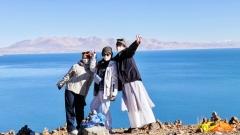
Lake Manasarovar is revered in several religious traditions, including Tibetan Buddhism and Hinduism. Pilgrims travel to the lake for reasons that may be spiritual, cultural, or personal. Its significance deserves recognition even if your own visit is primarily for scenery. Avoid describing the lake only as a photo stop, and be mindful of how your group behaves near pilgrims and places of worship.
The lake lies in a high, exposed environment. Light can be intense, temperatures can shift quickly, and wind may rise even when the sky appears clear. The water’s color changes with conditions, so travel photos cannot guarantee the shade or clarity you will see on a particular day. Clouds can obscure the distant ranges, while clear weather can make the landscape feel exceptionally open. Either way, the setting is part of the experience.
Lake Manasarovar is often discussed alongside nearby Rakshastal, another important lake in the region. They are distinct bodies of water with different cultural associations and appearances. If your route includes both, follow local guidance about access and avoid approaching shorelines or tracks that your guide has not approved. The plateau is not a place to wander far from your vehicle without telling anyone where you are going.
Best time to visit and how to plan around weather
Travel to the Mount Kailash and Manasarovar region is generally concentrated in the warmer part of the year, when road access is more feasible. Conditions remain variable, however, and no month guarantees comfortable weather or clear views. Cold, strong winds, rain, or occasional snow can affect plans. Check realistic seasonal conditions with your operator close to departure, especially if your itinerary depends on a particular road or pass.
The best time of day for a visit depends on the route and the day’s schedule. Morning light can reveal details across the water, while later light may bring different colors to the hills and shoreline. Weather is more important than a promised “perfect” photography window. Keep a warm layer accessible in the vehicle, and do not delay a departure if your guide advises that conditions are changing.
If you are joining a pilgrimage or a longer overland itinerary, allow room for rest days and adjustments. The lake visit should not be planned as the first demanding activity immediately after arriving at high altitude. Discuss the order of stops with your operator and ask how the itinerary responds if someone in the group feels unwell. A responsible plan treats flexibility as a safety measure, not a failure to follow the schedule.
Altitude and health preparation
Chiu Gompa and Lake Manasarovar are at very high elevation. Visitors arriving from lower altitudes may notice reduced stamina, disturbed sleep, headache, nausea, or shortness of breath. These symptoms can range from mild to serious, and a short walk can feel more strenuous than expected. Do not assume that fitness alone prevents altitude illness.
Give yourself time to acclimatize before visiting the lake area. Follow medical advice about altitude travel, and speak with a healthcare professional before departure if you have a relevant health condition or questions about medication. Once in Tibet, move slowly, drink according to your needs, eat regularly, and avoid overexertion. Alcohol and strenuous exercise can make it harder to judge how you are coping.
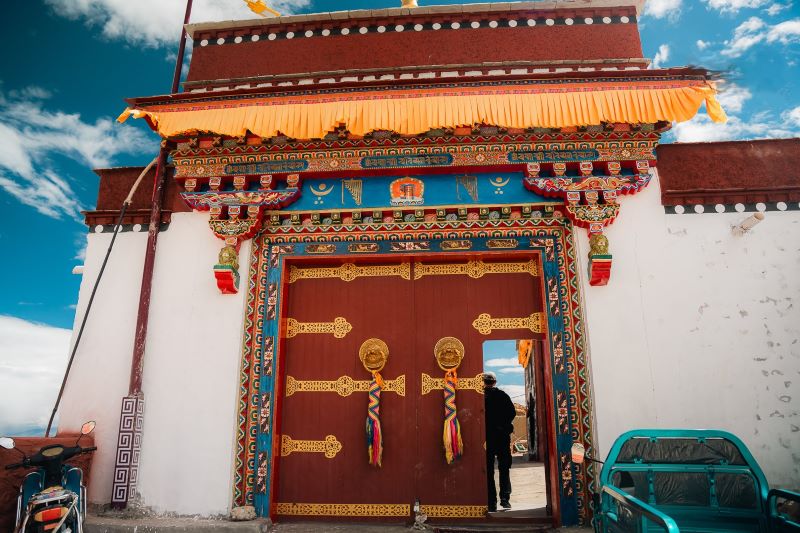
Chui Monastery Gate
Tell your guide promptly if symptoms worsen. Confusion, difficulty walking, severe breathlessness at rest, or a rapidly worsening condition needs urgent attention and may require descent and medical care. A tour group should have a clear response plan, but facilities are limited in remote areas, so prevention and early communication matter. Bring any personal medication you need in its original packaging and keep it accessible.
What to pack for the visit
Pack for cold, sun, wind, and dust rather than relying on a single forecast. A layered system works well: a warm base layer, an insulating mid-layer, and a wind-resistant outer layer. Add a hat, gloves, and comfortable walking shoes with grip. Conditions can shift between the vehicle, the exposed lakeshore, and the monastery’s shaded interior.
High-altitude sunlight is strong. Bring sunscreen, sunglasses with good UV protection, and lip balm. A reusable water bottle is useful, but follow your guide’s advice about water safety and local facilities. Carry small personal essentials, tissues, and any prescribed medication. A basic day bag should be light enough to carry comfortably on uneven ground.
Photography equipment is optional. A phone or camera is sufficient for most visitors, and keeping equipment simple makes it easier to walk safely and remain attentive to the site. Bring spare battery power if needed, since cold temperatures can reduce battery performance. Always ask before photographing people, religious objects, or indoor spaces; respect a refusal without argument.
Etiquette at the monastery and lake
Chiu Gompa is a religious site, so modest, quiet behavior is appropriate. Keep voices low, avoid blocking entrances, and do not touch ritual objects or offerings. If you are unsure whether a space is open to visitors, wait for your guide to clarify. Follow any local signs or instructions, even when they differ from general travel advice.
Dress in a way that is respectful and practical. Remove shoes when asked, and avoid clothing or behavior that draws unnecessary attention during worship. If people are praying, give them space rather than positioning yourself close by for a photograph. Ask permission before photographing individuals, especially monks, pilgrims, or local residents. A camera is not a substitute for consent.
Do not leave litter, take stones or other objects, or disturb the surrounding landscape. Stay on paths and avoid stepping on religious markings or offerings. The lakeshore is meaningful to pilgrims and can be environmentally sensitive. Small actions—carrying out wrappers, keeping to designated areas, and following local directions—help reduce the impact of tourism.
Common planning mistakes to avoid
One common mistake is treating the stop as a quick, low-effort excursion. The walk may be short, but altitude and uneven ground can make it tiring. Another is packing only for warm daytime weather. Wind and temperature changes can make the lakeshore cold, so keep layers within reach rather than buried in luggage.
Visitors also sometimes assume that every cave or interior room is accessible. Access can vary, and religious activities take priority. Confirm expectations with your guide, and be prepared to appreciate the exterior setting if a particular room is closed. Do not enter a space simply because another visitor has done so.
A third mistake is planning around old permit information or unverified reports. Entry procedures and local access conditions can change. Check requirements through your operator and relevant official channels before travel, and reconfirm shortly before departure. If your booking includes Tibet Yulong Travel or another operator, request clear answers about permits, transport, guide support, and contingency arrangements rather than relying on vague assurances.
Is a guided visit right for you?
A guided visit is useful for understanding the monastery’s religious context, navigating a remote route, and responding to changes in access or weather. A local guide can also help visitors distinguish between customary practice, local belief, and documented information without presenting every story as settled fact. For many travelers, the guide’s role is as important as the vehicle in making the visit manageable.
When choosing a tour, compare the itinerary rather than the headline price alone. Check the vehicle plan, accommodation, meals, group size, guide language, permit handling, and time allocated for acclimatization. Ask how the operator handles delays, health concerns, and changes to the route. Confirm what is included in writing, and make sure the proposed pace suits your travel experience and health needs.
A Chiu Gompa cave monastery tour near Manasarovar suits travelers who value cultural context and remote landscapes, and who are comfortable with a flexible, high-altitude journey. It may be less suitable for anyone expecting extensive visitor facilities, guaranteed access to every interior space, or a relaxed lowland walk. Honest expectations make the visit safer and more rewarding.
Sample approach for a thoughtful visit
Before departure, review your route with the operator and confirm that the monastery stop is included, subject to access and conditions. Ask what footwear is appropriate, how long the walk is expected to take, and whether the itinerary includes enough acclimatization. Pack essential medication and warm clothing where you can reach them during the drive.
On arrival, take a moment before walking uphill. Notice how you feel, drink if needed, and tell your guide about any symptoms. Follow the established route, keep noise low, and ask before entering or photographing indoor spaces. If pilgrims or monks are using a space, allow them priority and maintain a respectful distance.
After the visit, return with your group and check that no personal items or litter have been left behind. Keep the rest of the day flexible, particularly if you are continuing around the lake or traveling onward toward Mount Kailash. In this region, a considerate pace and willingness to adapt are practical parts of a good itinerary, not optional extras.
Frequently asked questions
How long should I allow for Chiu Gompa?
The time on site depends on the route, access, and group pace. Ask your operator how much time is planned for the monastery itself and the approach on foot. Build in extra flexibility for weather and altitude rather than treating a fixed estimate as guaranteed.
Can visitors enter the caves or monastery rooms?
Some religious spaces may be accessible, while others may be closed or in use. Conditions can change, and visitors should follow the guide’s instructions and local restrictions. Never enter a restricted space or photograph indoors without permission.
Is the walk difficult?
The distance may be modest, but the high altitude, uneven ground, and possible uphill sections can make it feel demanding. Walk slowly and choose footwear with grip. Travelers with mobility concerns should discuss the route with their operator before booking.
Do I need a guide or organized tour?
Travel requirements and access arrangements for Tibet can depend on current regulations and a visitor’s circumstances. Many international visitors travel through an organized itinerary. Confirm the rules that apply to you with a qualified operator before making plans, and make sure the itinerary includes appropriate local support.
What should I wear?
Wear comfortable walking shoes and layers that protect against wind and cold. Add sun protection, including sunglasses and sunscreen. Even during the warmer travel season, conditions beside the lake can feel cold and exposed.
Is photography allowed?
Rules can differ between outdoor areas and religious interiors, and individuals may not want to be photographed. Ask your guide and seek permission before taking pictures of people or indoor religious spaces. Follow any signs or instructions on site.
Planning your Chiu Gompa visit
A Chiu Gompa cave monastery tour near Manasarovar is best approached as a cultural visit within a demanding plateau journey, not as a standalone sightseeing stop. The monastery’s rocky setting, its association with cave practice, and its relationship to the sacred lake give it a distinctive character. Careful acclimatization, realistic timing, suitable clothing, and respect for religious life all help shape a better experience.
Before confirming your itinerary, verify current travel requirements and access arrangements, check what your operator includes, and leave room for conditions to change. Whether you travel with Tibet Yulong Travel or another qualified provider, ask specific questions and keep your expectations grounded. The most rewarding visit is one that allows time to look, listen, and move at a pace suited to the altitude and the people who call this place sacred.