High on the vast grasslands of northern Tibet, the Damgxung Horse Racing Festival stands as one of the most spectacular cultural gatherings on the plateau. Held annually in Damxung County, just north of Lhasa, this centuries-old tradition brings together Tibetan nomads to celebrate their deep bond with horses, showcase athletic prowess, and honor ancestral customs. For travelers seeking an authentic glimpse into nomadic life, attending the Horse Racing Festival is an unforgettable experience. The event transforms the open steppe into a vibrant sea of colorful tents, cheering crowds, and galloping steeds, offering a sensory feast unlike any other destination in Tibet.
Key Highlights:
- Traditional horse racing events and equestrian skills
- Vibrant nomadic tent encampments across the grasslands
- Authentic Tibetan folk dances and cultural performances
- Local delicacies including yak butter tea and roasted barley
- Breathtaking views of the Nyainqêntanglha mountain range
Origins and History of the Horse Racing Festival
The roots of the Damgxung Horse Racing Festival stretch back several centuries, deeply intertwined with the pastoral lifestyle of the northern Tibetan plateau. Historically, horses were not merely transportation for the nomadic herders of Damxung; they were essential partners for survival, warfare, and trade. To test the strength and agility of their finest mounts, local tribes began organizing competitive riding events during the warmest months when the grasslands were lush and the weather was forgiving.
Over time, these informal competitions evolved into a structured annual celebration. The festival traditionally aligns with the Tibetan lunar calendar, usually taking place around late July or early August, coinciding with the peak of summer when the high-altitude pastures are at their greenest. What started as a practical assessment of horsemanship gradually absorbed religious rituals, social gatherings, and artistic expressions, becoming a cornerstone of Damxung’s cultural identity. Today, the Horse Racing Festival remains a vital link between modern Tibetan communities and their nomadic ancestors, preserving traditions that might otherwise fade in the face of rapid modernization.
When and Where to Experience the Horse Racing Festival
Timing your visit correctly is crucial for experiencing the Horse Racing Festival at its best. The event typically spans several days during the late summer months. Because the exact dates shift each year according to the Tibetan lunar calendar, travelers should verify the schedule well in advance through local tourism offices or trusted travel operators.
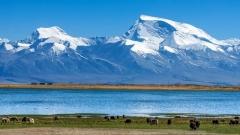
Damxung County is located approximately 170 kilometers north of Lhasa, accessible via a well-paved highway that winds through dramatic mountain passes. The festival grounds are usually set up on the expansive open plains near the county town, where the backdrop of the snow-capped Nyainqêntanglha mountains provides a stunning natural amphitheater. The altitude here hovers around 4,200 meters (nearly 13,800 feet), meaning the air is thin and crisp. Visitors must account for this elevation when planning their itinerary, ensuring they have adequately acclimatized in Lhasa before heading further north to the festival site.
Thrilling Events at the Damgxung Horse Racing Festival
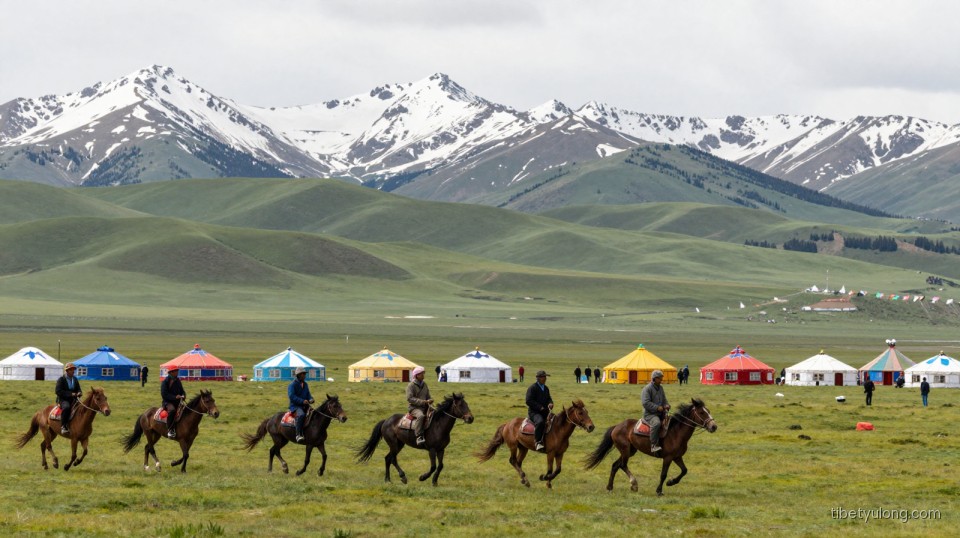
While the name implies a singular focus, the Horse Racing Festival encompasses a wide variety of equestrian and athletic competitions that keep spectators on the edge of their seats. The marquee event is, naturally, the long-distance horse race. Riders, often young men and women from local nomadic families, guide their Tibetan ponies across miles of open terrain. These horses are smaller and sturdier than Western thoroughbreds, perfectly adapted to the low-oxygen environment of the plateau.
Beyond pure speed, the festival highlights incredible displays of horsemanship. One of the most crowd-pleasing events involves riders picking up white scarves (khata) from the ground while galloping at full speed. This requires immense balance, core strength, and a seamless connection between rider and mount. Another thrilling spectacle is shooting arrows at targets while riding, a nod to the martial history of the Tibetan nomads.
The festivities extend beyond the saddle. Traditional wrestling matches draw large circles of cheering locals, while rope-pulling contests test the brute strength of competing teams. These athletic displays foster a spirit of friendly rivalry among different nomadic clans, reinforcing community bonds across the vast region.
Nomadic Culture and Festive Atmosphere
To attend the Horse Racing Festival is to step inside a living museum of Tibetan nomadic culture. Days before the official events begin, herding families arrive from distant valleys, erecting hundreds of traditional black yak-hair tents and brightly colored canvas pavilions across the grassland. This temporary tent city becomes a bustling hub of social interaction, commerce, and celebration.
Families dress in their finest traditional clothing. Women adorn themselves with heavy coral, turquoise, and amber jewelry stitched onto elaborate headdresses, while men wear thick chubas (Tibetan robes) suited for the fluctuating temperatures. The atmosphere is highly communal; strangers are frequently invited into tents to share a bowl of hot yak butter tea or a cup of chang (Tibetan barley wine).
As the sun sets and the temperature drops, the festival shifts gears. Bonfires are lit, and impromptu circle dances break out across the campgrounds. The haunting melodies of traditional stringed instruments blend with rhythmic folk songs, echoing across the dark plains under a canopy of brilliant stars. It is during these evening hours that the true warmth and hospitality of the Damxung people shine brightest.
Culinary Delights During the Festival
Food plays a central role in the Horse Racing Festival experience, offering visitors a chance to taste the authentic flavors of the Tibetan plateau. The nomadic diet is designed for high energy and cold climates, relying heavily on yak products and hardy grains.
Tsampa, roasted barley flour mixed with yak butter tea and formed into dough-like balls, is the staple food you will see everywhere. Yak meat, prepared in various ways from dried strips to hearty stews, provides rich sustenance. Dairy is also prominent; fresh yogurt made from yak milk is a popular treat, often sweetened slightly or eaten plain. For those looking to warm up against the high-altitude chill, vendors sell steaming cups of sweet tea and salty yak butter tea throughout the festival grounds. Sampling these local foods is an essential part of understanding the daily life of the herders who organize the event.
Practical Travel Tips for Attending the Horse Racing Festival
Traveling to such a remote and high-altitude location requires careful preparation. First and foremost, altitude sickness is a genuine concern. Spend at least two to three days acclimatizing in Lhasa before traveling to Damxung. Stay hydrated, avoid strenuous exercise upon arrival, and consult your doctor about altitude medication prior to your trip.
Weather on the plateau is notoriously unpredictable, even in summer. Daytime temperatures can be pleasantly warm under the intense sun, but nights drop close to freezing. Packing layers is mandatory. Bring a high-quality windproof jacket, thermal base layers, a warm hat, and sturdy, waterproof walking boots. Sun protection is equally critical; the UV index at over 4,000 meters is extreme, so pack high-SPF sunscreen, lip balm, and polarized sunglasses.
Accommodation options in Damxung are limited compared to Lhasa. While some basic guesthouses exist in the county town, many travelers prefer to embrace the experience by staying in local tent camps arranged through tour operators. Always carry sufficient cash, as digital payment infrastructure and ATMs are scarce on the grasslands.
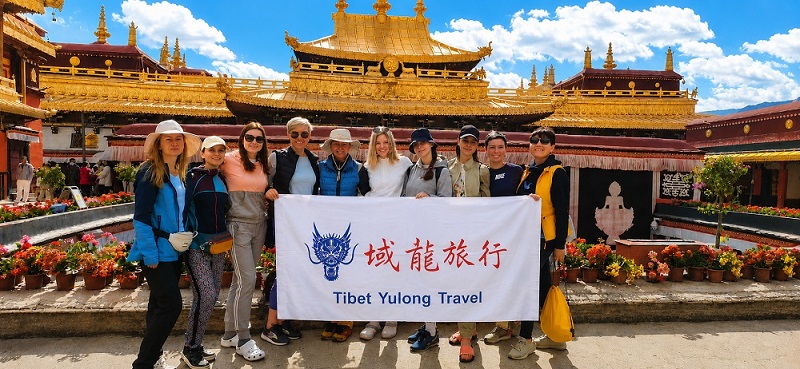
Navigating the logistics of transport, permits, and cultural etiquette can be challenging for independent travelers. Working with experienced local operators like Tibet Yulong Travel ensures a smoother journey. They can handle the necessary travel permits, arrange reliable vehicles suited for plateau roads, and provide knowledgeable guides who bridge the language gap, allowing you to respectfully engage with the nomadic families hosting the Horse Racing Festival. Proper guidance not only enhances your comfort but ensures your visit positively supports the local community.